/
•
•
Detailed stories on technology startups, business and economic current affairs.
Sequoia Capital, the company’s largest investor, has started a forensic audit of the car servicing startup.



Editor's note: Car repair startup GoMechanic has laid off 70% of its workforce and asked the remaining employees to work without pay for the next three months, according to two former employees. “The laid off employees have been asked to resign and told they’ll be called again if things get back to normal,” said one of the two people, requesting anonymity. Layoffs have happened across departments, says the second person, with most of the ground workers, who make up a big chunk of the workforce, having been fired. Moreover, Sequoia Capital, GoMechanic’s largest shareholder, has started a forensic audit of the Gurugram-based startup in the light of financial irregularities, says the first former employee quoted above. Sequoia Capital has yet to respond to an emailed query on what prompted the audit; this news brief will be updated as and when the firm replies. In the past, Sequoia has commissioned forensic audits at several portfolio companies, including BharatPe and Zilingo. “The startup has a total loan of Rs 120 crore and market pendency of Rs 40 crore, which is pressuring them at the …
Sequoia Capital, the company’s largest investor, has started a forensic audit of the car servicing startup.
Editor's note: Car repair startup GoMechanic has laid off 70% of its workforce and asked the remaining employees to work without pay for the next three months, according to two former employees. “The laid off employees have been asked to resign and told they’ll be called again if things get back to normal,” said one of the two people, requesting anonymity. Layoffs have happened across departments, says the second person, with most of the ground workers, who make up a big chunk of the workforce, having been fired. Moreover, Sequoia Capital, GoMechanic’s largest shareholder, has started a forensic audit of the Gurugram-based startup in the light of financial irregularities, says the first former employee quoted above. Sequoia Capital has yet to respond to an emailed query on what prompted the audit; this news brief will be updated as and when the firm replies. In the past, Sequoia has commissioned forensic audits at several portfolio companies, including BharatPe and Zilingo. “The startup has a total loan of Rs 120 crore and market pendency of Rs 40 crore, which is pressuring them at the …

In less than two years, the instant delivery startup that puts quality above all else has attracted marquee VC investors, earning a valuation of $255 million. How far the niche bet will take it is anybody’s guess.
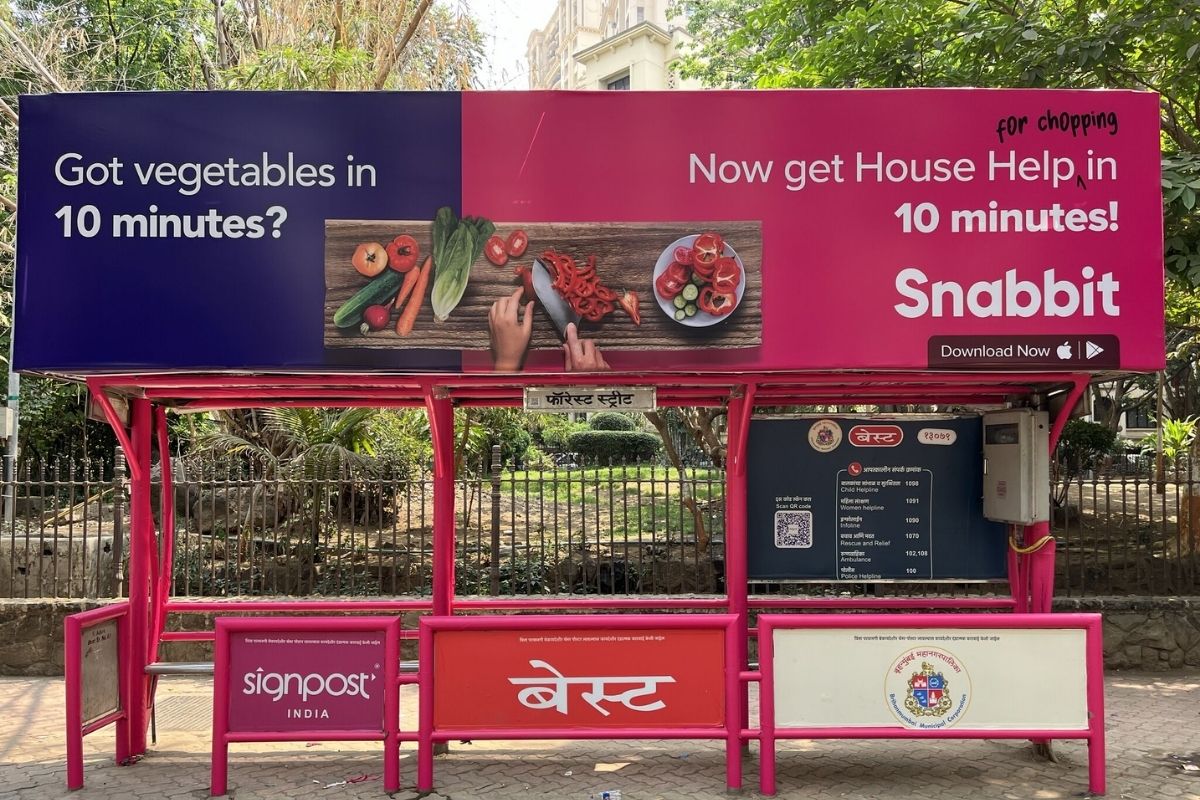
Pricing constraints and uncertain daily-use demand cast doubt on instant help’s ability to replicate quick commerce.
The quick-commerce startup weighs a valuation cut or finding alternative funding to stay afloat as investor appetite for loss-making businesses weakens.
In less than two years, the instant delivery startup that puts quality above all else has attracted marquee VC investors, earning a valuation of $255 million. How far the niche bet will take it is anybody’s guess.
Pricing constraints and uncertain daily-use demand cast doubt on instant help’s ability to replicate quick commerce.
The quick-commerce startup weighs a valuation cut or finding alternative funding to stay afloat as investor appetite for loss-making businesses weakens.