/
•
•
Detailed stories on technology startups, business and economic current affairs.
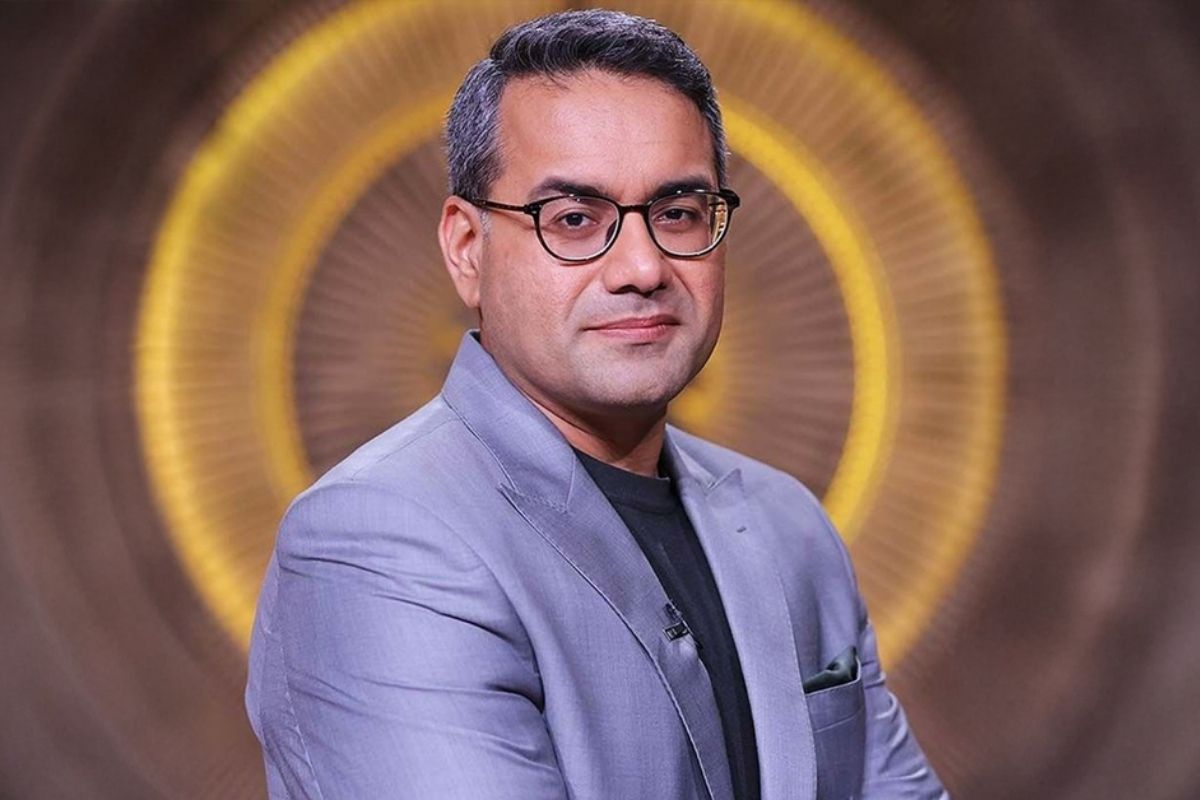
Mukesh Bansal’s Curefit has all the funding it needs, but little semblance of a strategy.

Editor's note: Since long before it became commonplace for venture capital investors to publicly praise their portfolio companies, Vani Kola, the managing director of Kalaari Capital, has been building up Mukesh Bansal. At conferences where Kola speaks about the ecosystem, she’s often called Bansal the smartest entrepreneur in India. Other names that would feature sometimes are Kunal Bahl of Snapdeal and more recently Harsh Jain of Dream11, but Bansal is a constant fixture. Kola and Bansal go back more than a decade, when late in 2007, Indo-US Ventures (now Kalaari Capital) put a tiny cheque into Bansal’s fashion e-commerce startup Myntra. Some six years later, when Flipkart acquired the company for $300 million, Kalaari got its biggest exit ever. Not surprising then that when Bansal started again with Curefit in 2016, Kalaari came on board on day one. And the story of Bansal’s intellect took on a legend of its own, fanned regularly by the likes of Kola. Cut to today—earlier this month, Bansal’s Curefit laid off 800 employees, announced salary cuts across the board, and exited a number of smaller Indian …
Mukesh Bansal’s Curefit has all the funding it needs, but little semblance of a strategy.

Editor's note: Since long before it became commonplace for venture capital investors to publicly praise their portfolio companies, Vani Kola, the managing director of Kalaari Capital, has been building up Mukesh Bansal. At conferences where Kola speaks about the ecosystem, she’s often called Bansal the smartest entrepreneur in India. Other names that would feature sometimes are Kunal Bahl of Snapdeal and more recently Harsh Jain of Dream11, but Bansal is a constant fixture. Kola and Bansal go back more than a decade, when late in 2007, Indo-US Ventures (now Kalaari Capital) put a tiny cheque into Bansal’s fashion e-commerce startup Myntra. Some six years later, when Flipkart acquired the company for $300 million, Kalaari got its biggest exit ever. Not surprising then that when Bansal started again with Curefit in 2016, Kalaari came on board on day one. And the story of Bansal’s intellect took on a legend of its own, fanned regularly by the likes of Kola. Cut to today—earlier this month, Bansal’s Curefit laid off 800 employees, announced salary cuts across the board, and exited a number of smaller Indian …

Pricing constraints and uncertain daily-use demand cast doubt on instant help’s ability to replicate quick commerce.
The quick-commerce startup weighs a valuation cut or finding alternative funding to stay afloat as investor appetite for loss-making businesses weakens.
Bistro may look like a response to Swiggy and Rapido’s 'budget' food delivery apps, but the similarities end at affordability—the playbooks are fundamentally different.

Pricing constraints and uncertain daily-use demand cast doubt on instant help’s ability to replicate quick commerce.
The quick-commerce startup weighs a valuation cut or finding alternative funding to stay afloat as investor appetite for loss-making businesses weakens.
Bistro may look like a response to Swiggy and Rapido’s 'budget' food delivery apps, but the similarities end at affordability—the playbooks are fundamentally different.