/
•
•
Detailed stories on technology startups, business and economic current affairs.
Zomato investors need to keep an eye on potential conflicts of interest; the Tatas face a tough industrial relations test at the airline



Editor's note: Harveen here. Acquisitions and investments as a core corporate strategy are fine, but when personal and business conflicts aren’t adequately addressed, investors might be left with the short end of the stick. Like in the case of the expected Zomato-Blinkit merger. Separately, the Air India deal is beginning to look like the toughest test in industrial relations for the Tatas, who otherwise have a rich legacy of being good employers. Something happened this week. Read on. The problems of Zomato and Blinkit It seems that Zomato and Blinkit (earlier Grofers) are finally a step closer to their long speculated marriage. In a stock exchange filing earlier this week, the food delivery company said that it is lending up to $150 million (over Rs 1,100 crore) to Blinkit. The loan is supposed to “support the capital requirements” of the online grocery startup “in the near term”. It is fairly obvious that this loan is a precursor to the merger of the two companies. Since the merger will take time to execute and Blinkit’s 10-minute delivery business consumes cash rapidly, the loan …

Zomato investors need to keep an eye on potential conflicts of interest; the Tatas face a tough industrial relations test at the airline
Editor's note: Harveen here. Acquisitions and investments as a core corporate strategy are fine, but when personal and business conflicts aren’t adequately addressed, investors might be left with the short end of the stick. Like in the case of the expected Zomato-Blinkit merger. Separately, the Air India deal is beginning to look like the toughest test in industrial relations for the Tatas, who otherwise have a rich legacy of being good employers. Something happened this week. Read on. The problems of Zomato and Blinkit It seems that Zomato and Blinkit (earlier Grofers) are finally a step closer to their long speculated marriage. In a stock exchange filing earlier this week, the food delivery company said that it is lending up to $150 million (over Rs 1,100 crore) to Blinkit. The loan is supposed to “support the capital requirements” of the online grocery startup “in the near term”. It is fairly obvious that this loan is a precursor to the merger of the two companies. Since the merger will take time to execute and Blinkit’s 10-minute delivery business consumes cash rapidly, the loan …
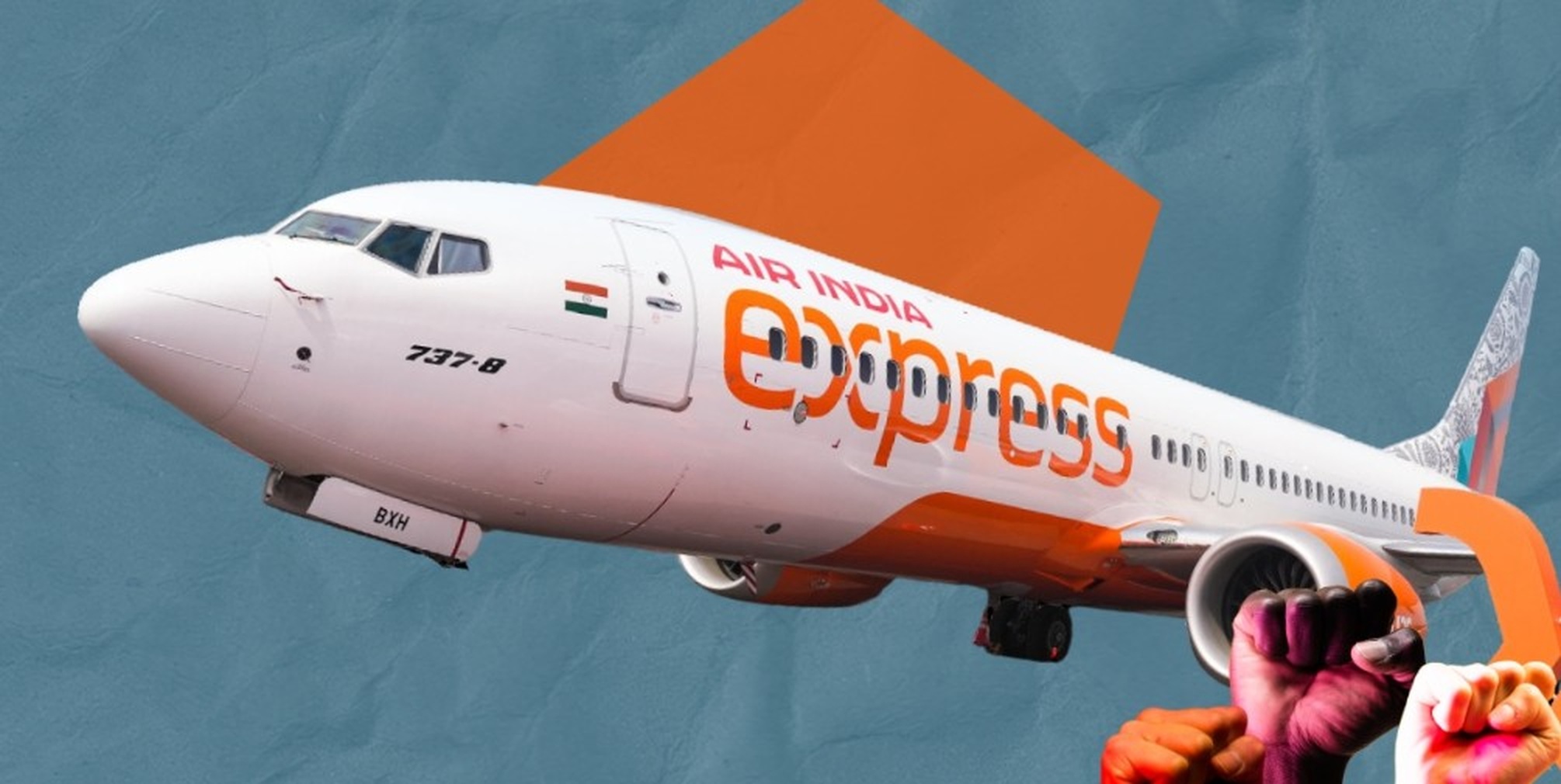
As the low-cost carrier pushes through a compensation overhaul, the absence of a CEO is complicating a delicate moment.
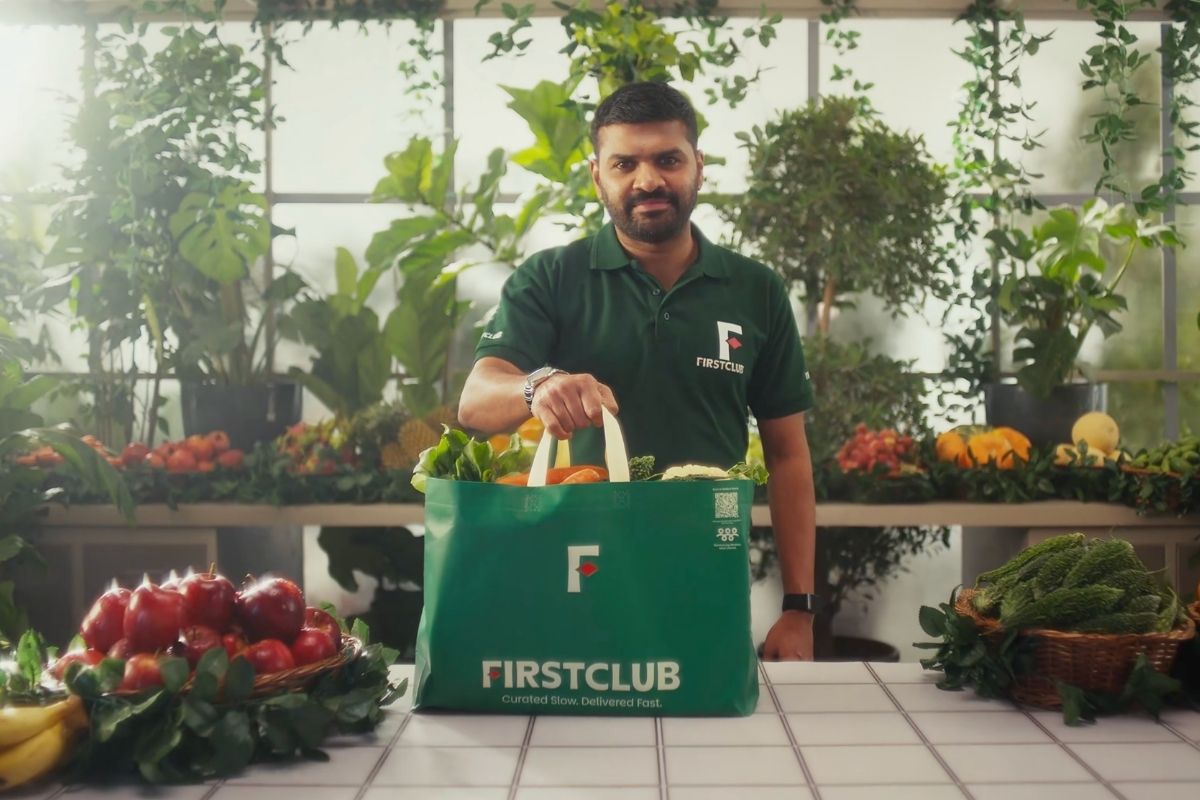
In less than two years, the instant delivery startup that puts quality above all else has attracted marquee VC investors, earning a valuation of $255 million. How far the niche bet will take it is anybody’s guess.

The two new chief executives at Air India and IndiGo come with contrasting reputations but face the same challenge—do their predecessors one better.
As the low-cost carrier pushes through a compensation overhaul, the absence of a CEO is complicating a delicate moment.
In less than two years, the instant delivery startup that puts quality above all else has attracted marquee VC investors, earning a valuation of $255 million. How far the niche bet will take it is anybody’s guess.
The two new chief executives at Air India and IndiGo come with contrasting reputations but face the same challenge—do their predecessors one better.