/
•
•
Detailed stories on technology startups, business and economic current affairs.
Everyone from Bollywood stars to social media platforms is jumping on the crypto art bandwagon. How does this play out?


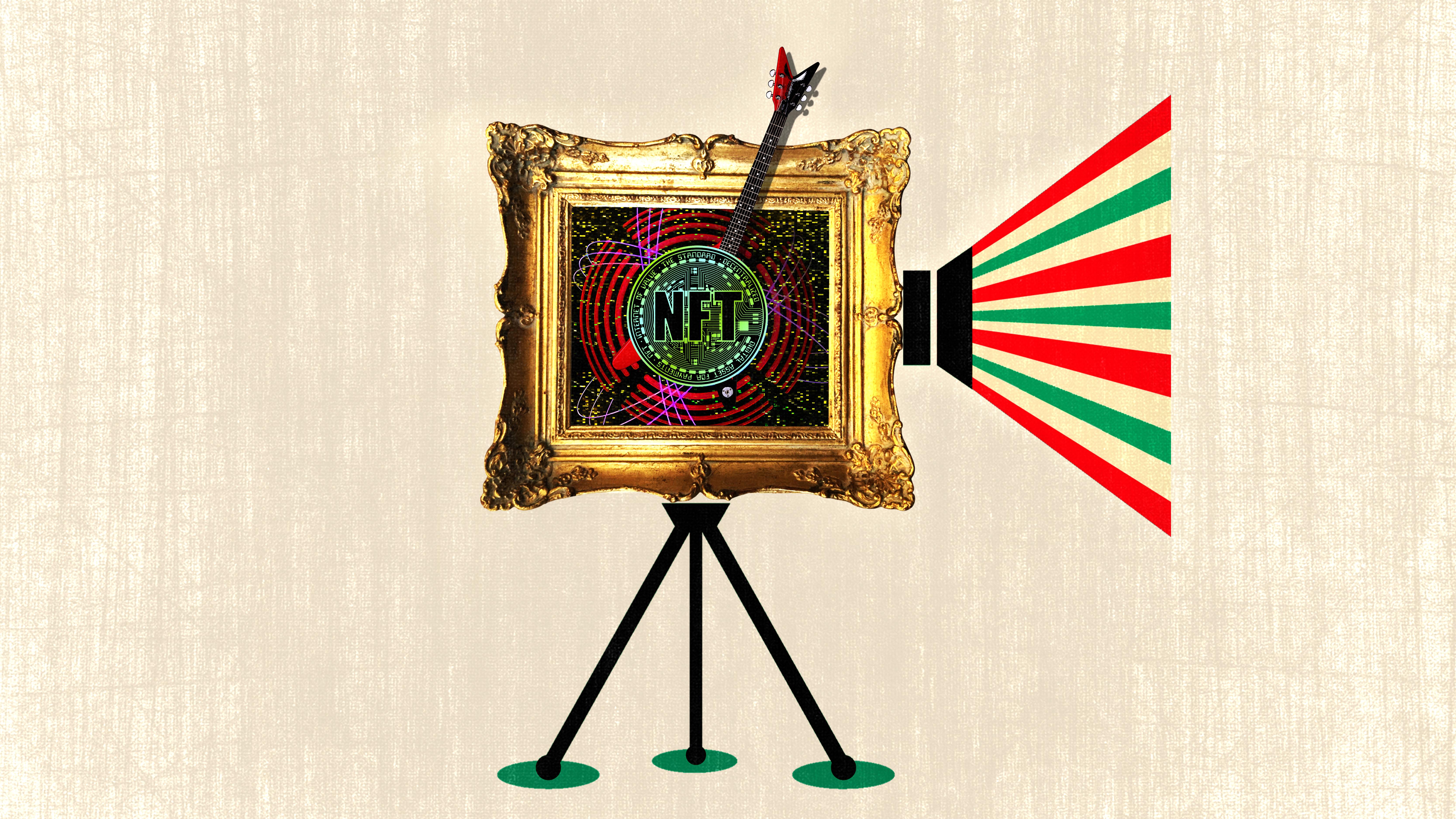
Imagine over 100,000 people waiting in a queue signing up for something that doesn’t exist yet. That was the case leading up to the launch of GARI—the NFT marketplace run by TikTok clone Chingari, which promised anyone who paid up a minimum of $100 a chance at making profits they hadn’t seen before.
GARI is India’s first NFT marketplace that is driven by a social media platform. Based on the Solana blockchain and using its own cryptocurrency, also called GARI, it promises holders the chance to empower their favourite creators as well as access to govern the platform.
It is …

A lot of money was spent on building a home-grown social media success story. The only thing that got built was fundraising pitch decks.

The billionaire wants to turn the game into a spectator sport with the Global Chess League. Can he pull it off?

The short-video app’s latest move to add a private video-calling feature solely meant for adults is neither original nor promising.