/
•
•
Detailed stories on technology startups, business and economic current affairs.
The race is on to reshape India’s digital payments landscape. Who’s in the fray, and why?



Editor's note: On 19 August, the Reserve Bank of India released its final guidelines allowing companies to apply for licences to operate payment systems. In the three weeks since, the digital payments market has gone from pandemic lockdown mode to frenzied activity. Going by accounts from multiple industry executives, several payments and financial companies have actively started exploring this new game and some are even in serious partnership talks with domestic and global players. Interest has been simmering since RBI first announced in February that it would allow the creation of new entities to manage pan-India payments networks (which we wrote about here). A quick recap, if you need it: Almost all retail payments systems in India are operated by the National Payments Corporation of India, a not-for-profit company owned by a broad consortium of banks, with a majority stake held by state-owned banks, making it indirectly a government institution. The systems operated by NPCI include the national ATM network, the RuPay card network, the Bharat Billpay platform and most prominently the Unified Payments Interface, or UPI, to name but a few. …
The race is on to reshape India’s digital payments landscape. Who’s in the fray, and why?
Editor's note: On 19 August, the Reserve Bank of India released its final guidelines allowing companies to apply for licences to operate payment systems. In the three weeks since, the digital payments market has gone from pandemic lockdown mode to frenzied activity. Going by accounts from multiple industry executives, several payments and financial companies have actively started exploring this new game and some are even in serious partnership talks with domestic and global players. Interest has been simmering since RBI first announced in February that it would allow the creation of new entities to manage pan-India payments networks (which we wrote about here). A quick recap, if you need it: Almost all retail payments systems in India are operated by the National Payments Corporation of India, a not-for-profit company owned by a broad consortium of banks, with a majority stake held by state-owned banks, making it indirectly a government institution. The systems operated by NPCI include the national ATM network, the RuPay card network, the Bharat Billpay platform and most prominently the Unified Payments Interface, or UPI, to name but a few. …

The newly announced levy on UPI payments undermines the very foundation of using digital payments for stock market investing. Brokers are in a tizzy.
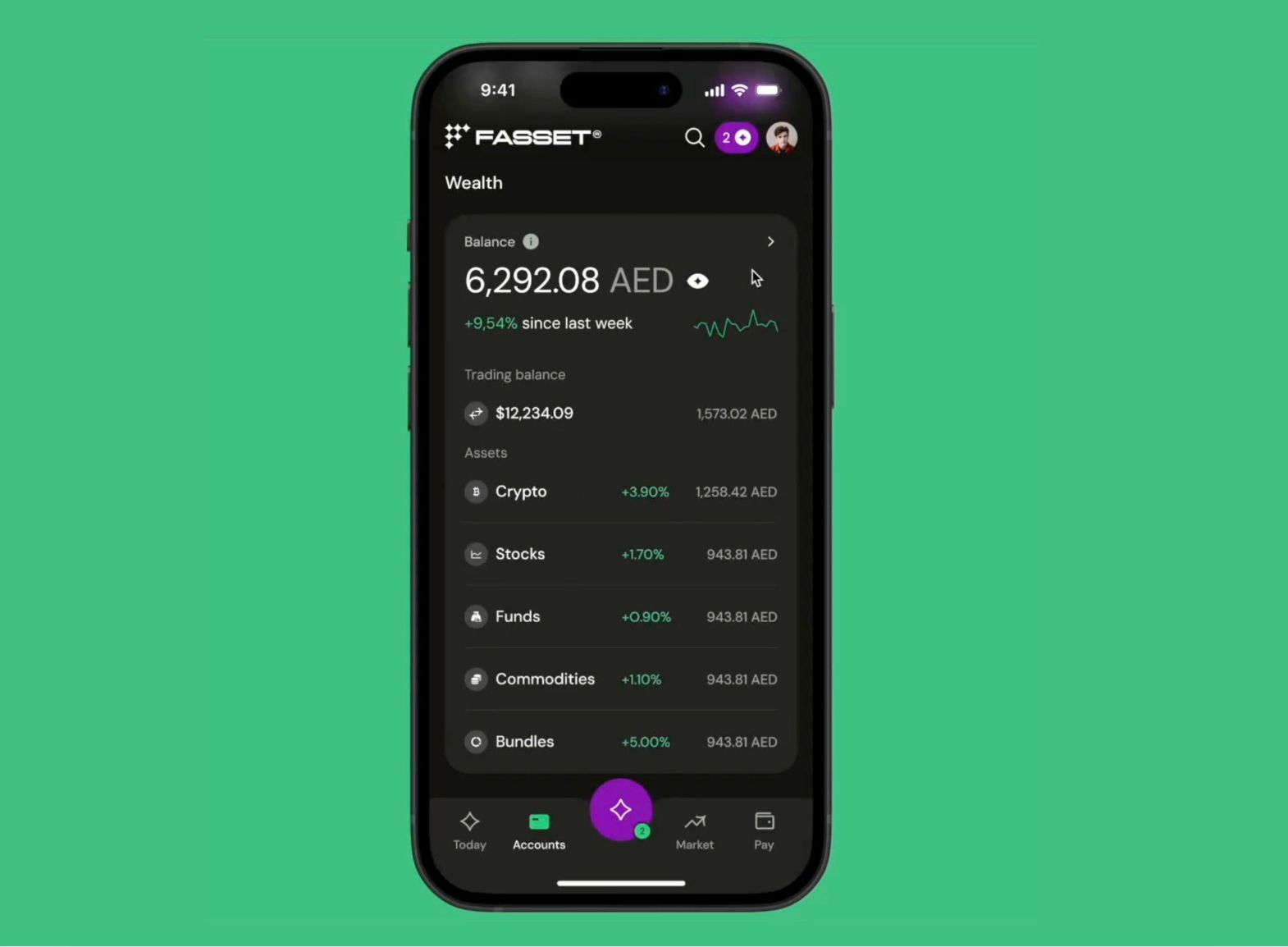
The stablecoin neobank has raised more than $100 million this year; Saudi Arabia is looking at stock market reforms; and other updates from the week.

The Rs 250 SIP was launched last year by the former SEBI chairperson with one clear goal: financial inclusion. More than a year later, the much-hyped scheme doesn’t seem to have caught on with MF investors.
The newly announced levy on UPI payments undermines the very foundation of using digital payments for stock market investing. Brokers are in a tizzy.
The stablecoin neobank has raised more than $100 million this year; Saudi Arabia is looking at stock market reforms; and other updates from the week.
The Rs 250 SIP was launched last year by the former SEBI chairperson with one clear goal: financial inclusion. More than a year later, the much-hyped scheme doesn’t seem to have caught on with MF investors.