/
•
•
Detailed stories on technology startups, business and economic current affairs.
Investment a prelude to acquiring the hyperlocal delivery startup and getting into express deliveries.


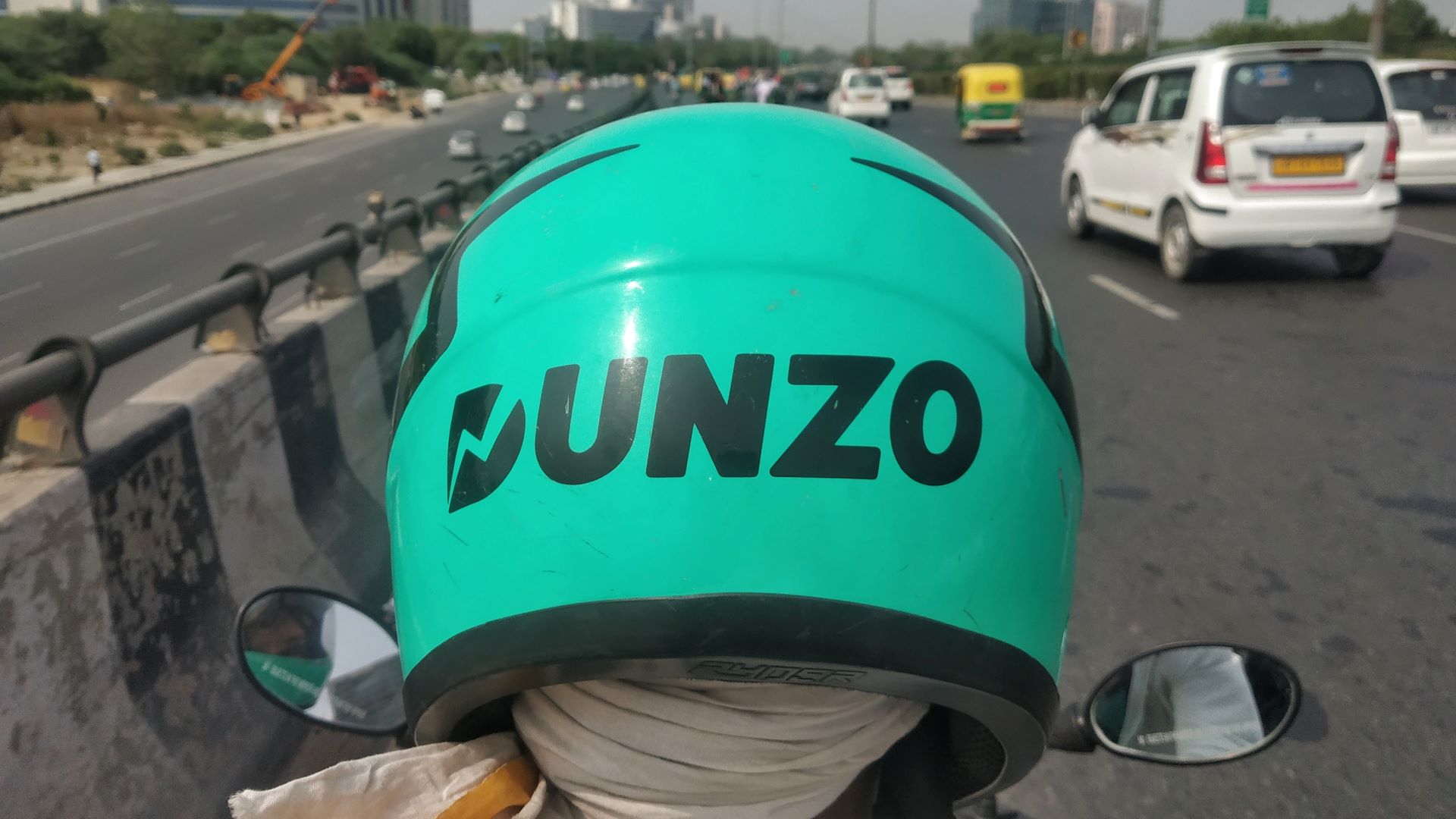

Pranav here. The big news of the week was Reliance Retail investing about $200 million in hyperlocal delivery startup Dunzo for a 25.8% stake. The deal, announced yesterday, also saw Dunzo raise $40 million or so from some existing investors, such as Lightrock and Alteria Capital.
The round, which saw the retail arm of oil-to-telecoms conglomerate Reliance Industries become Dunzo’s biggest shareholder, valued the Bengaluru-based startup at around $750-800 million.
This is obviously a strategic investment, a prelude to Reliance Retail acquiring Dunzo and getting into a sector now termed quick commerce—rapid deliveries of groceries or consumer goods, usually under …
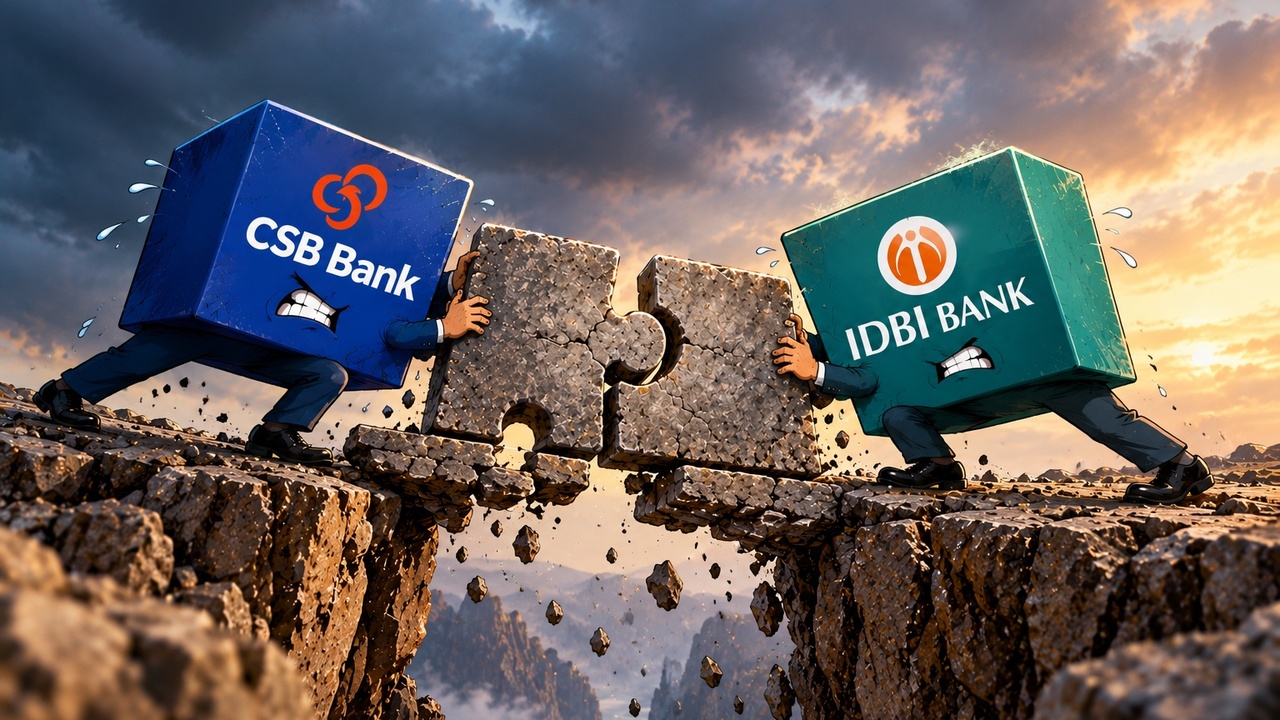
The acquisition of IDBI Bank puts his Fairfax smack dab in the middle of the RBI’s rules on bank ownership. It must now decide whether to sell CSB Bank or merge the two lenders, neither of which will be easy.
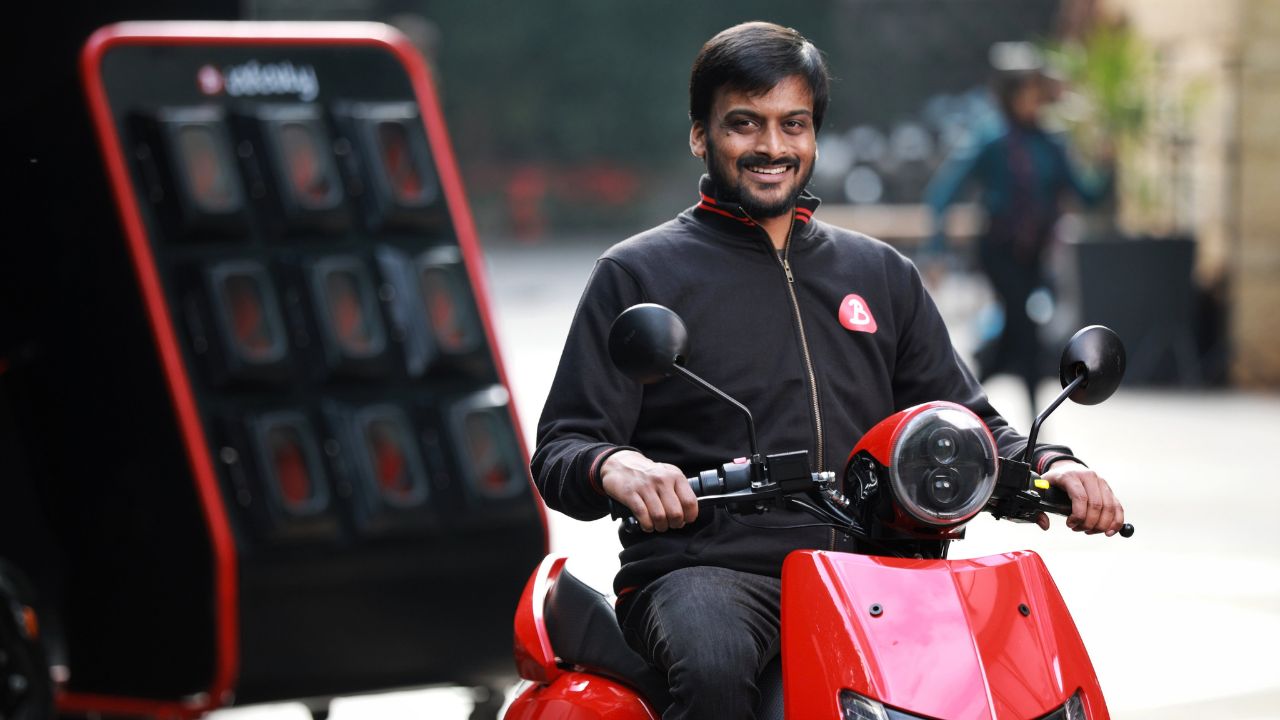
The EV maker is turning to gig-worker rentals to absorb its scooter output. But questions on cost, competition and execution make its latest pivot uncertain.

The Walmart-owned e-commerce company has entered microdramas and food delivery. Is it thinking long-term or just chasing a trend?