/
•
•
Detailed stories on technology startups, business and economic current affairs.
Nearly a year after suicides prompted a crackdown on potentially criminal digital lending schemes, not much seems to have changed. We investigate.



Editor's note: Towards the end of last year, a spate of suicides sparked investigations into predatory and often illegitimate loan apps, widely available on Google’s Play Store in India. The police in Telangana—where the initial reports of suicides originated—arrested a number of Chinese and Indian nationals. Investigative authorities across states jumped on the case and by the end of January this year over 30 arrests were made. According to police statements at the time, China-based entities that had partnered with small-time non-bank lenders in India, facilitated over 14 million transactions worth close to Rs 21,000 crore through four illegal or payday loan apps. The Enforcement Directorate also took charge of a few cases and has since seized funds in several bank accounts, notably those belonging to Gurugram-based non-banking financial company PC Financial Services Pvt. Ltd. We at The Morning Context had earlier published an investigation into the company’s business and ownership pattern in “How a Chinese-run NBFC built a Rs 1,300 crore business in a year”. We had also written in detail about how these loan apps were operating in India and …
Nearly a year after suicides prompted a crackdown on potentially criminal digital lending schemes, not much seems to have changed. We investigate.
Editor's note: Towards the end of last year, a spate of suicides sparked investigations into predatory and often illegitimate loan apps, widely available on Google’s Play Store in India. The police in Telangana—where the initial reports of suicides originated—arrested a number of Chinese and Indian nationals. Investigative authorities across states jumped on the case and by the end of January this year over 30 arrests were made. According to police statements at the time, China-based entities that had partnered with small-time non-bank lenders in India, facilitated over 14 million transactions worth close to Rs 21,000 crore through four illegal or payday loan apps. The Enforcement Directorate also took charge of a few cases and has since seized funds in several bank accounts, notably those belonging to Gurugram-based non-banking financial company PC Financial Services Pvt. Ltd. We at The Morning Context had earlier published an investigation into the company’s business and ownership pattern in “How a Chinese-run NBFC built a Rs 1,300 crore business in a year”. We had also written in detail about how these loan apps were operating in India and …

The Rs 250 SIP was launched last year by the former SEBI chairperson with one clear goal: financial inclusion. More than a year later, the much-hyped scheme doesn’t seem to have caught on with MF investors.

The central bank’s shift to a 100% collateral requirement threatens to erode leverage, reduce volumes and force a consolidation across prop desks.
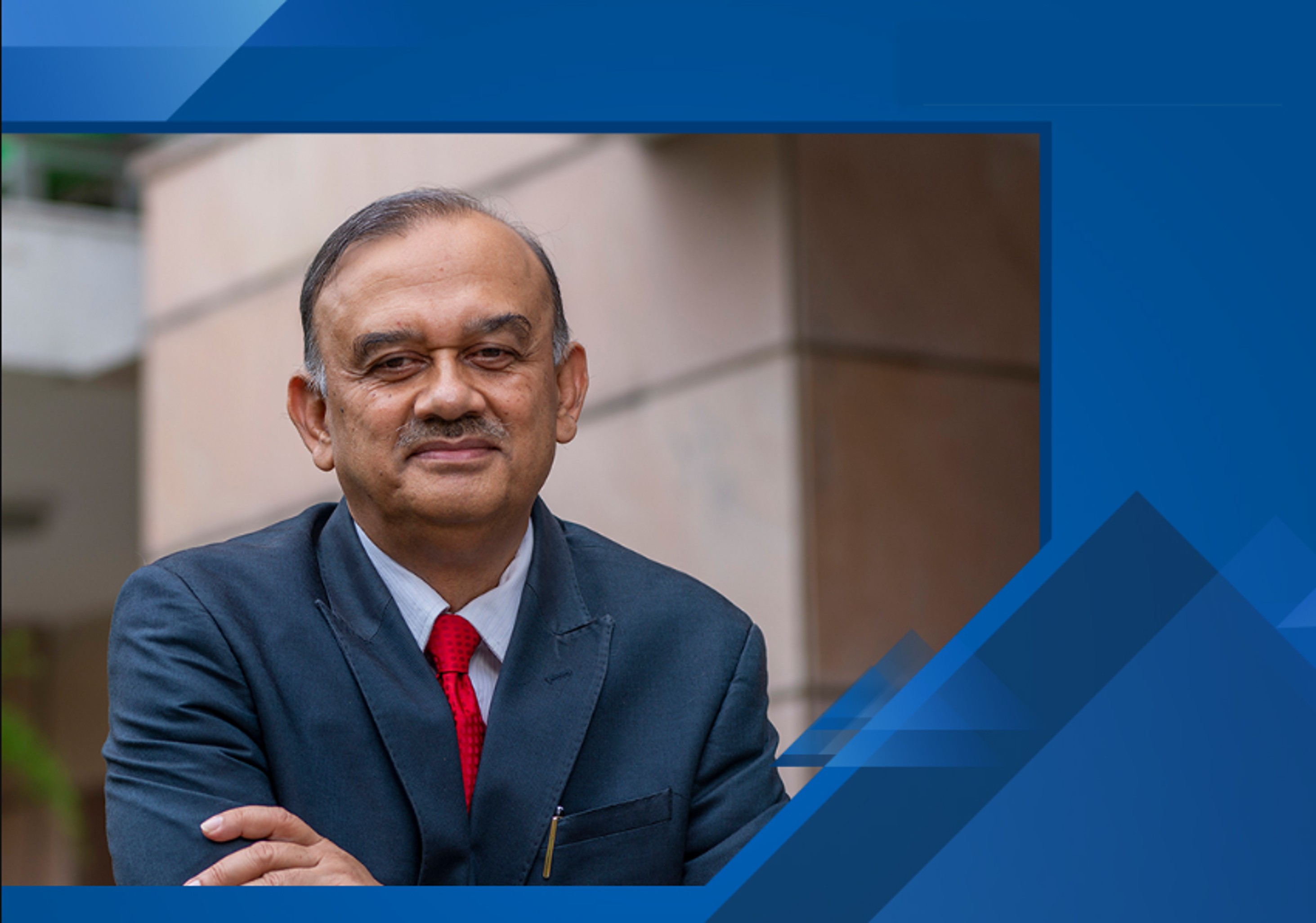
Atanu Chakraborty’s resignation does not appear as damaging as the bank’s response to it. The ‘all is well’ narrative needs an independent audit.
The Rs 250 SIP was launched last year by the former SEBI chairperson with one clear goal: financial inclusion. More than a year later, the much-hyped scheme doesn’t seem to have caught on with MF investors.
The central bank’s shift to a 100% collateral requirement threatens to erode leverage, reduce volumes and force a consolidation across prop desks.
Atanu Chakraborty’s resignation does not appear as damaging as the bank’s response to it. The ‘all is well’ narrative needs an independent audit.