/
•
•
Detailed stories on technology startups, business and economic current affairs.
Faced with losses and defaults, the fintech lender is switching to a co-lending and SaaS strategy.



Lending to small and medium-sized enterprises in India has seen many cycles of ups and downs over the past couple of decades. Ten years ago, banks had more than 90% of the market share for SME loans, but eventually ceded space to non-banking financial companies, or NBFCs. A few years ago, fintech startups entered the space with technology and data analytics at the forefront of their lending operations.
Lendingkart Finance, a fintech NBFC, was one of these firms, and quickly became the biggest name among the SME-centric fintech lenders. Compared to the rigid processes of banks and conventional NBFCs, which …

The loan aggregator keeps sending updates on WhatsApp even to users who haven’t applied for a loan. The company is exploiting a grey area in India’s telecom regulatory framework and WhatsApp’s policies.
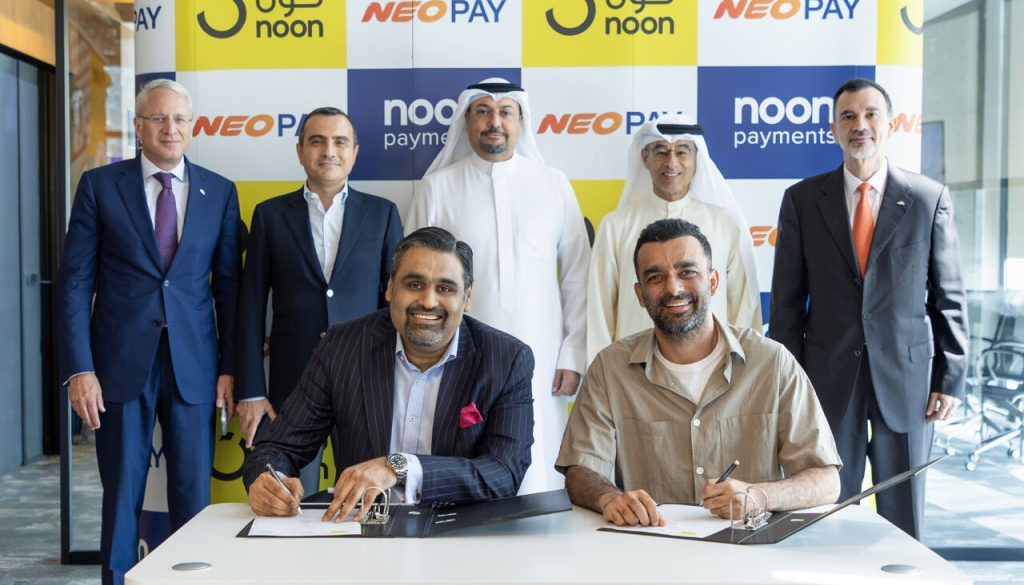
A local fintech deal to consolidate operations, feedback on Saudi Arabia’s proposed IPO rules, and Ras Al Khaimah’s casino economy.

The newly announced levy on UPI payments undermines the very foundation of using digital payments for stock market investing. Brokers are in a tizzy.