/
•
•
Detailed stories on technology startups, business and economic current affairs.
The government of India wants to rebuild the country’s Internet ecosystem. What seemed like a far-fetched idea some years back isn’t unthinkable anymore.




Koo, the call of the cuckoo, also a multi-language social media app, has become all the rage in India, being propped up as a local competitor to Twitter.
This is after the app, a Twitter clone really, positioned itself as a Made-in-India alternative to Twitter, an American corporation headed by Jack Dorsey, who has been projected by those leaning to the right as a sympathizer of the left. Like most pretty pitches, that’s only a small part of Koo’s sudden appeal. In the last few weeks, Koo has also positioned itself as a platform which promises to uphold freedom of …
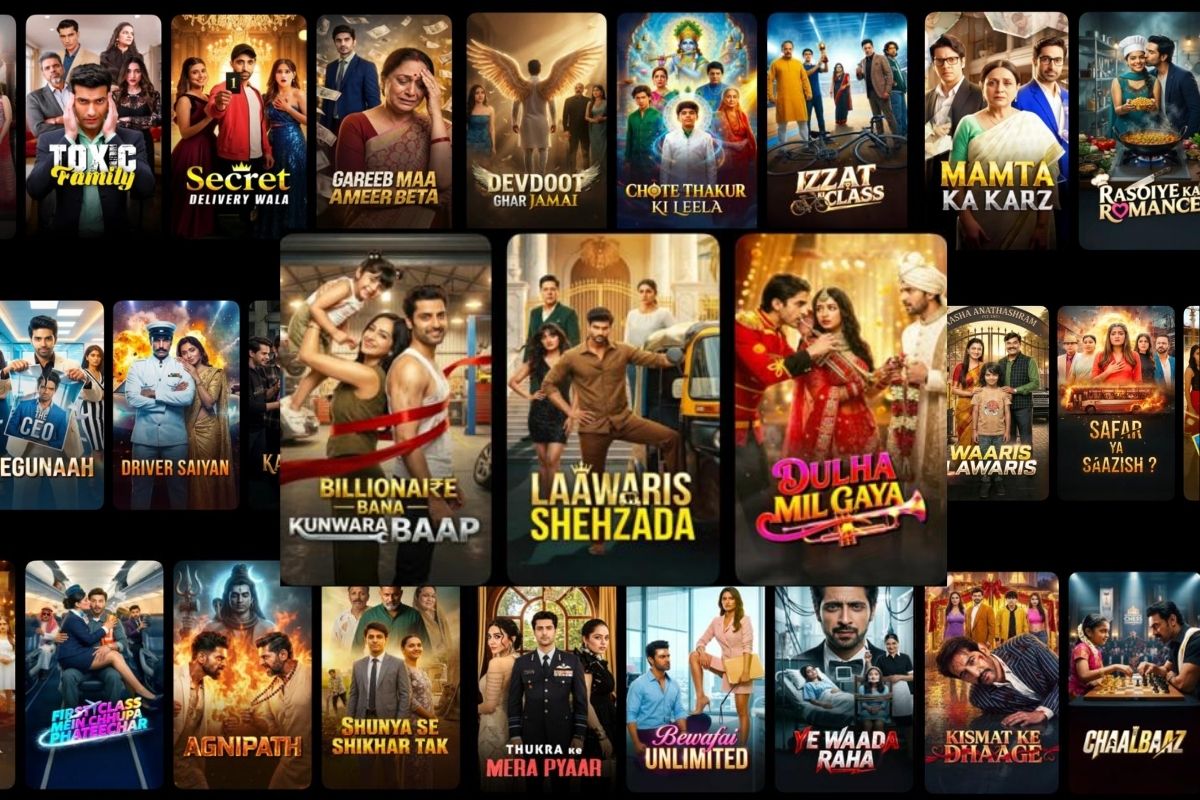
The homegrown social startup is betting big on India’s latest content obsession—minute-long episodes of high-stakes dramas. Cut through the noise and the microdrama hype itself doesn’t add up.
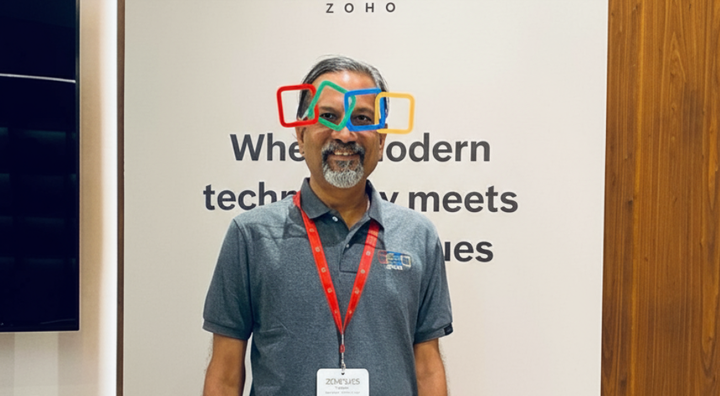
The Zoho co-founder’s attempt to build a WhatsApp competitor has captured the imagination of the nationalist Indian. Emotions aside, the most likely outcome is that Zoho’s other products will start selling more.

Meta says it is replacing its third-party fact-checking programme with what X has in place to fight misinformation. Not the brightest of ideas.