/
•
•
Detailed stories on technology startups, business and economic current affairs.
The six-year-old meat company claimed it would become the largest meat retailer in India. Now, its employees and vendors are awaiting their dues.



A yellow hoarding in Chennai features popular actor Nayanthara and reads “It’s a superstore-superstar team-up”. It’s an endorsement of Chennai-based meat company Fipola, of which she has been the face and identity since August. Fipola is yellow and Fipola is Nayanthara.

Fipola was founded in late 2016 and it sells processed meat online as well as in its own stores. It was started by Sushil Kanugolu, a second-generation businessman whose family owns frozen seafood business SR Marine Foods.
For about three years, Fipola was run as a small-time business in the shadow of SR Marine. The COVID-19 pandemic, however, changed …
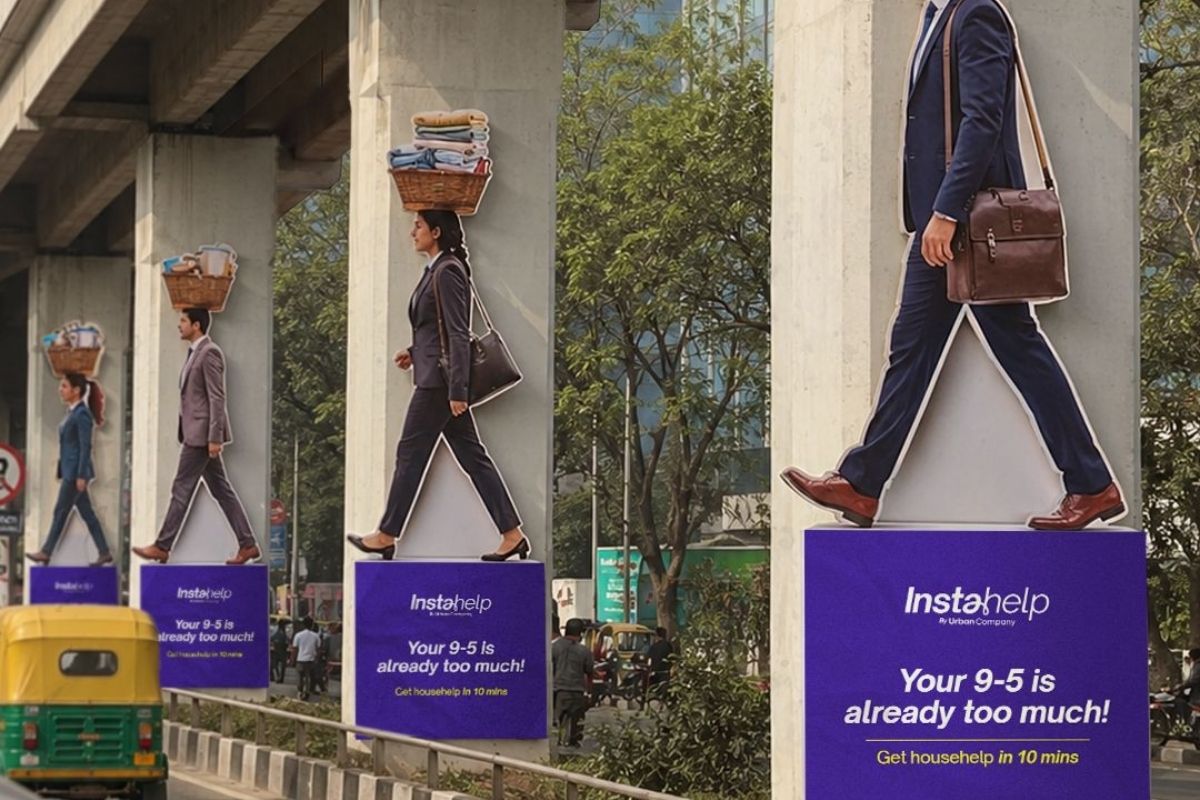
The instant house help business has become the centre of focus and investment at the home services company. But another fight may be brewing in its core business.

India’s grocery and food delivery platforms are increasingly displaying misleading images of food using artificial intelligence, defeating the very purpose of buying online.
Parent AceVector is headed for a public market debut next week. As much as 97% of its revenue comes from two businesses. One is already a listed entity, the other a missed opportunity.