/
•
•
Detailed stories on technology startups, business and economic current affairs.
Four years after listing, the logistics company is still searching for sustainable growth as rising costs, weak pricing power and limited new engines weigh on margins.


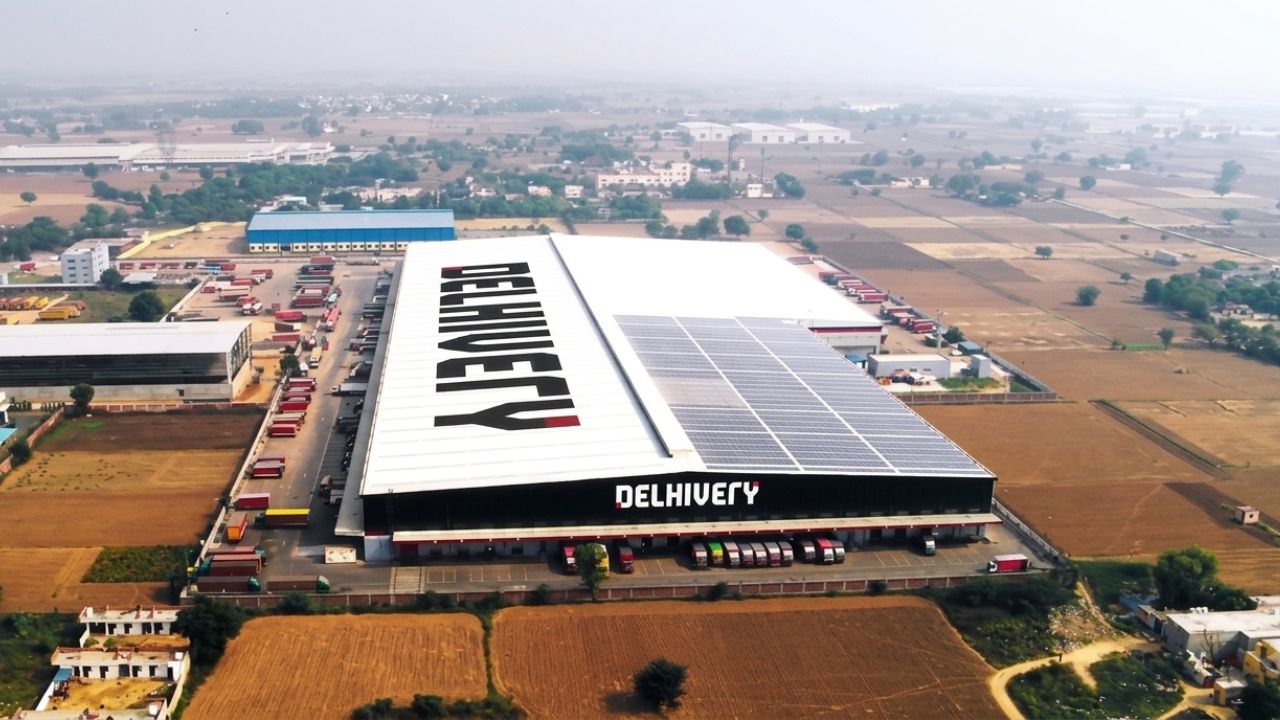

It has been four years since Delhivery became a publicly listed company. In almost every quarter since, management has pointed to imminent growth, but the stock has struggled to reflect that promise, weighed down by recurring weak patches.
The April-June quarter of FY27 was no exception.
There was little to cheer. Revenue grew 28% year-on-year to Rs 2,931 crore, but a sharp 65% drop in profits to Rs 31.9 crore overshadowed that expansion. EBITDA margins slipped to 2.6% from 3.3% in the year-ago quarter. Just as concerning, management offered little in the way of guidance—neither outlining any new growth initiatives …
The seafood marketplace’s rapid global expansion has lifted the top line, but left it with rising debt, weak cash generation, and uneven returns.
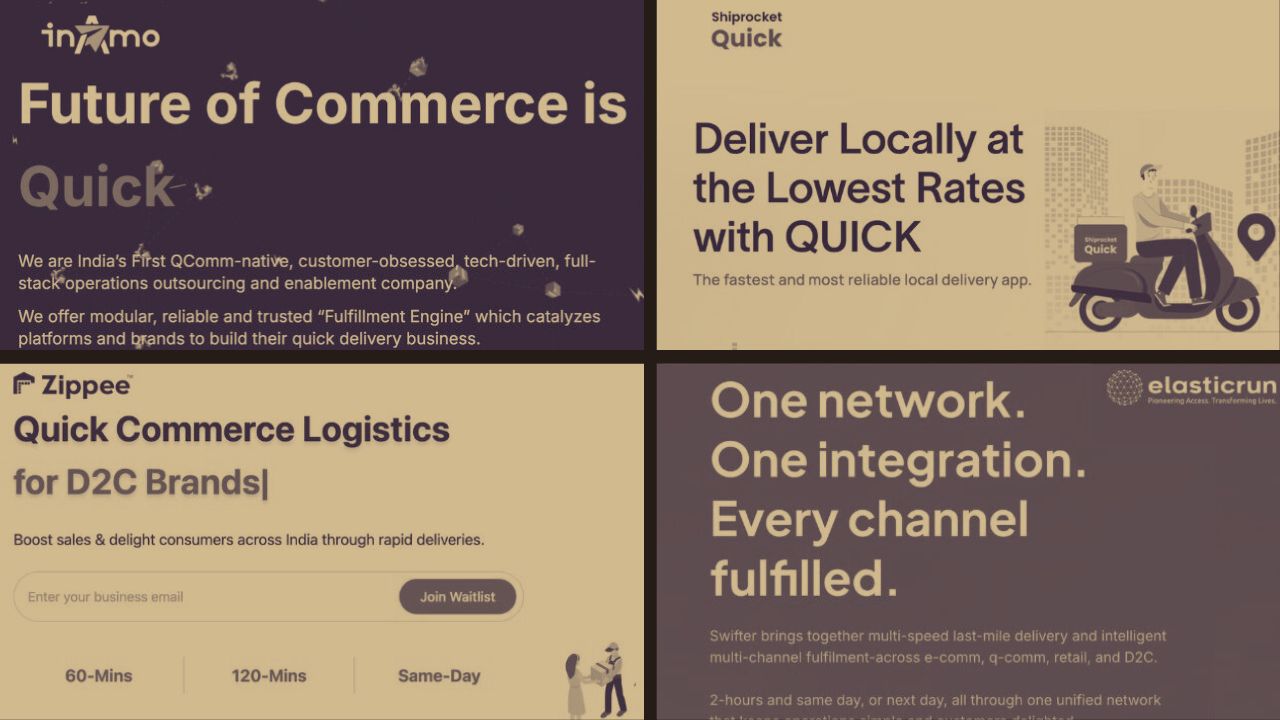
Brands are racing to build rapid delivery on their own channels—despite unclear economics and no proven success stories. Will they succeed?
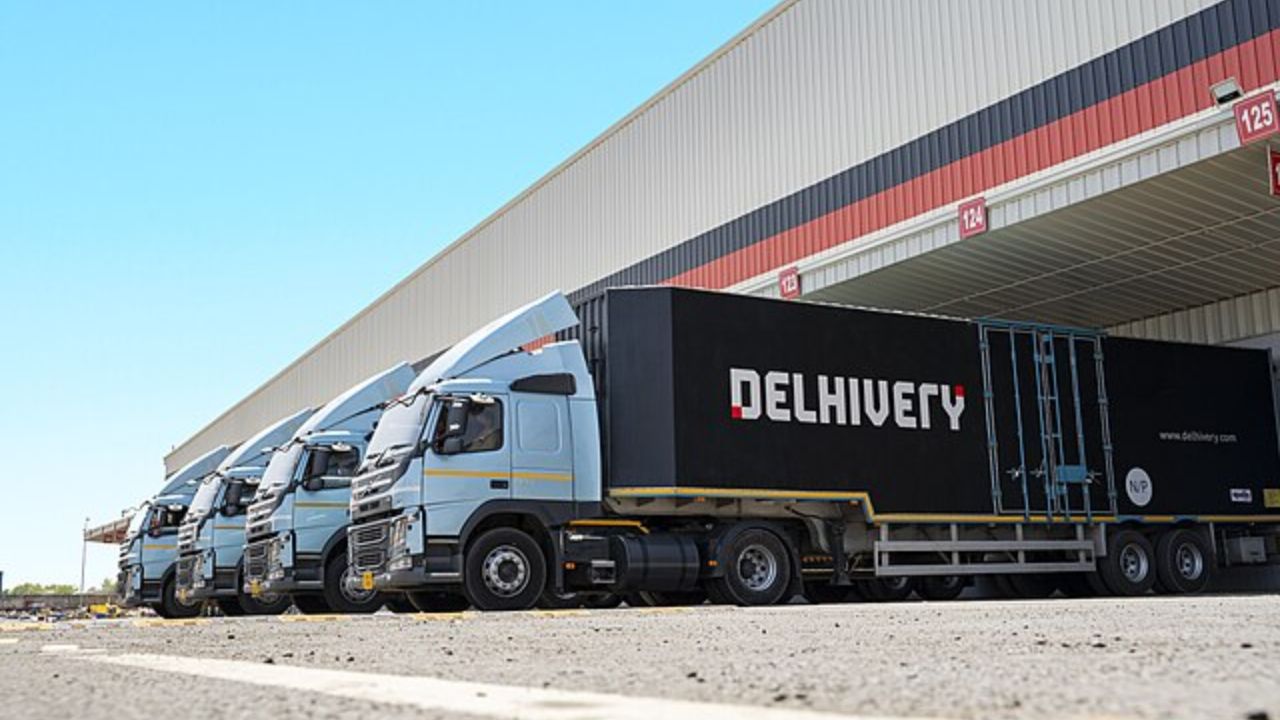
Online retailers are increasingly realizing that they can manage their own shipments. Where does that leave India’s leading logistics company, which owes much of its growth to the country’s e-commerce sector?