/
•
•
Detailed stories on technology startups, business and economic current affairs.
Online retailers are increasingly realizing that they can manage their own shipments. Where does that leave India’s leading logistics company, which owes much of its growth to the country’s e-commerce sector?


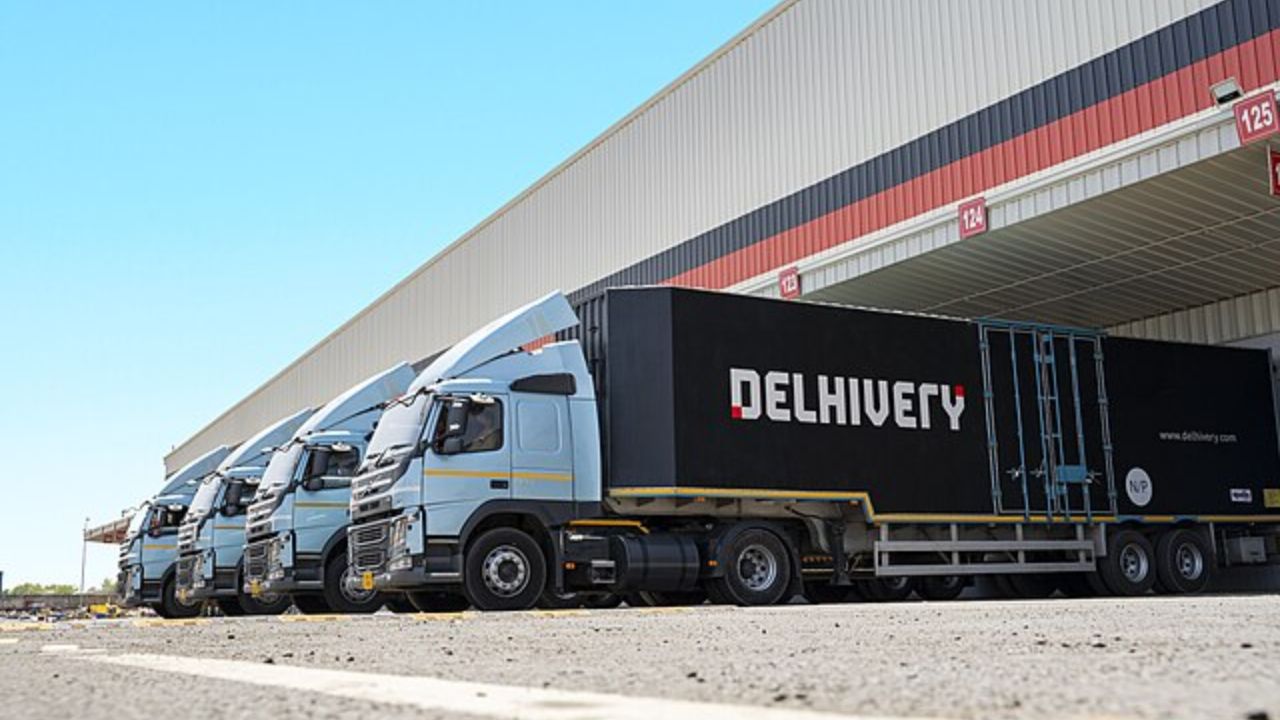

Few startups have ridden India’s gigantic e-commerce wave in a way that Delhivery has. When the logistics company hit the bourses in 2022, it quickly became an investors’ darling, bagging a spectacular valuation for a business that operates in a rather unglamorous sector.
Delhivery’s e-commerce bet was based on a clear opportunity: very few online marketplaces saw merit in building their own fleet, at least in the early years, but everyone was all too eager to ship their products across every pincode. Between Flipkart, Amazon, Snapdeal, ShopClues and many others, there was enough to ship. Investors saw the promise and …
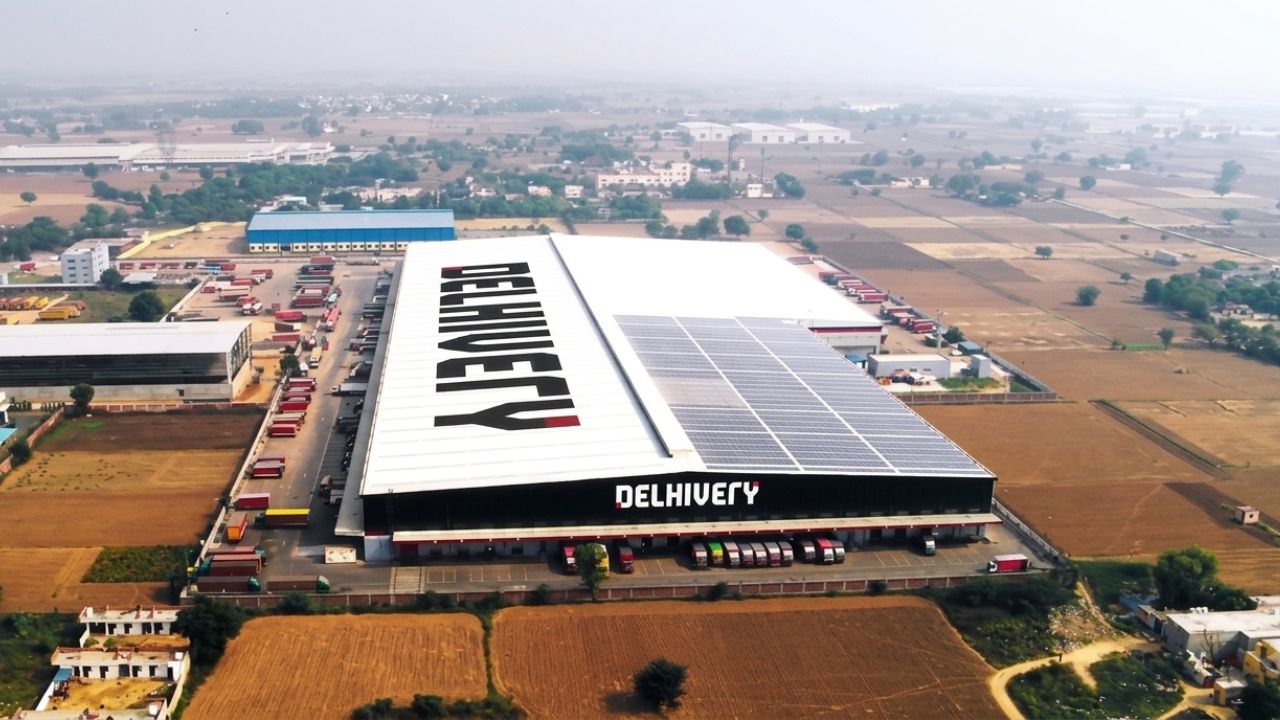
Four years after listing, the logistics company is still searching for sustainable growth as rising costs, weak pricing power and limited new engines weigh on margins.

The e-commerce platform appears to have put on a good show in FY26, outpacing itself on most fronts. However, the margins tell a different story, one that investors should pay close attention to.
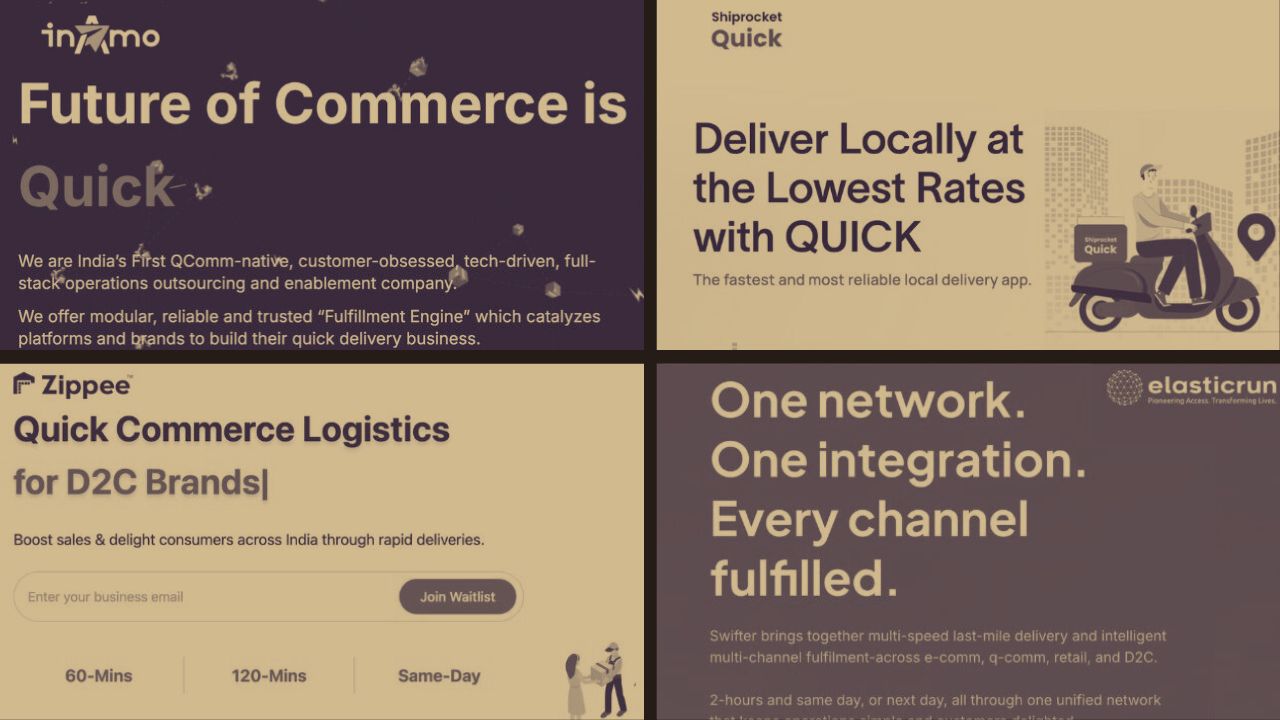
Brands are racing to build rapid delivery on their own channels—despite unclear economics and no proven success stories. Will they succeed?