/
•
•
Detailed stories on technology startups, business and economic current affairs.
The Chinese domination of EV cells poses a huge challenge to ambitious manufacturers in India. Can they overcome it?



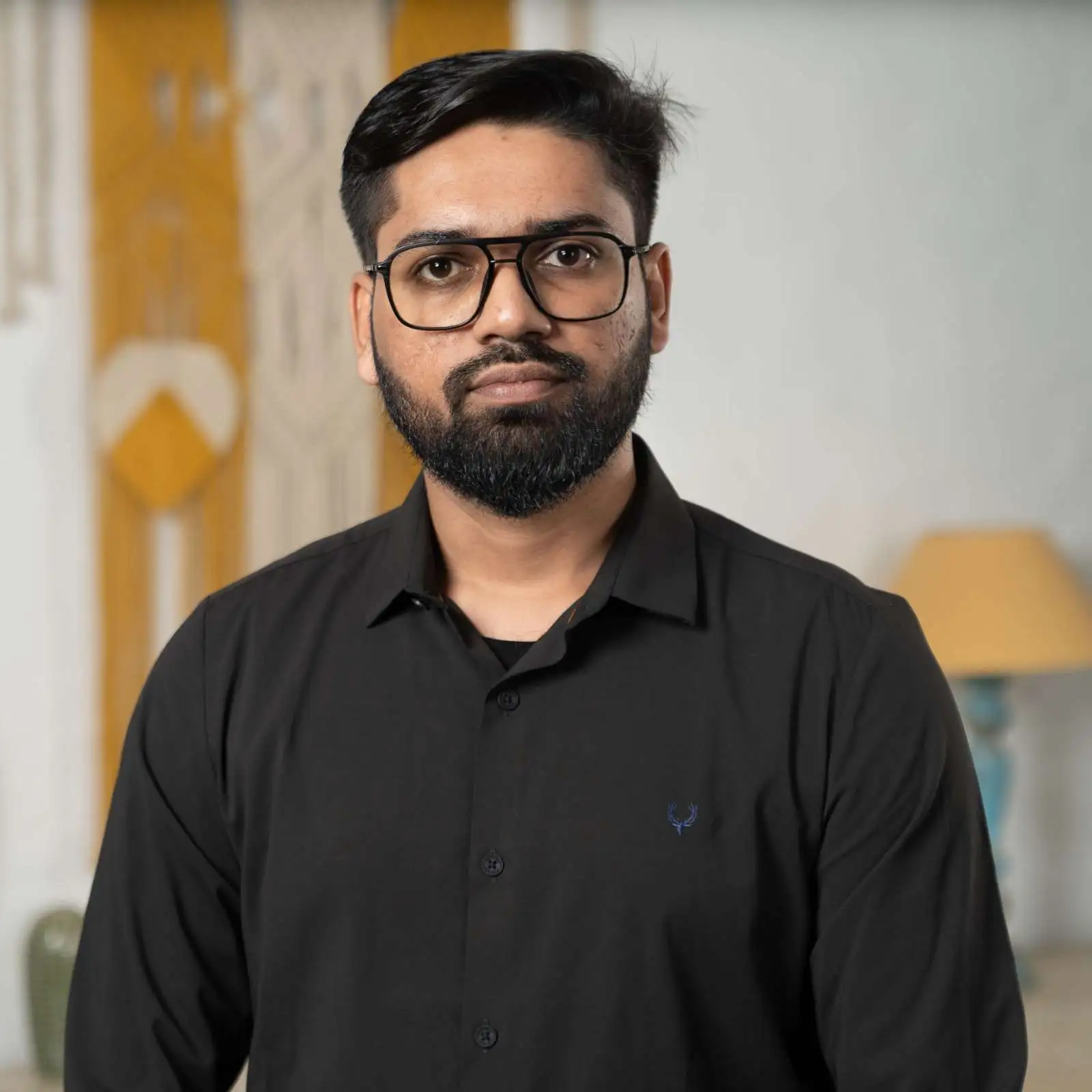
Editor's note: “It’s all about fixing the cell supply chain. That is the big challenge that anyone in mobility going electric needs to fix soon.” This is A. He has spent the better part of the last decade developing electric two-wheelers for the Indian market. In the course of his projects, he has developed battery packs and worked in assembly lines manufacturing electric vehicles in India. EVs are gaining popularity in India, and even more so globally. A slew of companies are setting up manufacturing plants and investors in mobility are increasingly excited by EV pitches. A, however, offers a word of caution. “Though it may appear that the supply chain for EVs and ICE are similar, there are some core differences. This needs to be resolved at scale to get the EV revolution truly underway.” ICE is short for internal combustion engine. “The main focus of the conventional ICE vehicle will be on metal sourcing, plastics and so on,” explains A. “There is a lot of dependence on aluminium, wiring harnesses, cooling agents and so on. The entire supply chain is …
The Chinese domination of EV cells poses a huge challenge to ambitious manufacturers in India. Can they overcome it?
Editor's note: “It’s all about fixing the cell supply chain. That is the big challenge that anyone in mobility going electric needs to fix soon.” This is A. He has spent the better part of the last decade developing electric two-wheelers for the Indian market. In the course of his projects, he has developed battery packs and worked in assembly lines manufacturing electric vehicles in India. EVs are gaining popularity in India, and even more so globally. A slew of companies are setting up manufacturing plants and investors in mobility are increasingly excited by EV pitches. A, however, offers a word of caution. “Though it may appear that the supply chain for EVs and ICE are similar, there are some core differences. This needs to be resolved at scale to get the EV revolution truly underway.” ICE is short for internal combustion engine. “The main focus of the conventional ICE vehicle will be on metal sourcing, plastics and so on,” explains A. “There is a lot of dependence on aluminium, wiring harnesses, cooling agents and so on. The entire supply chain is …
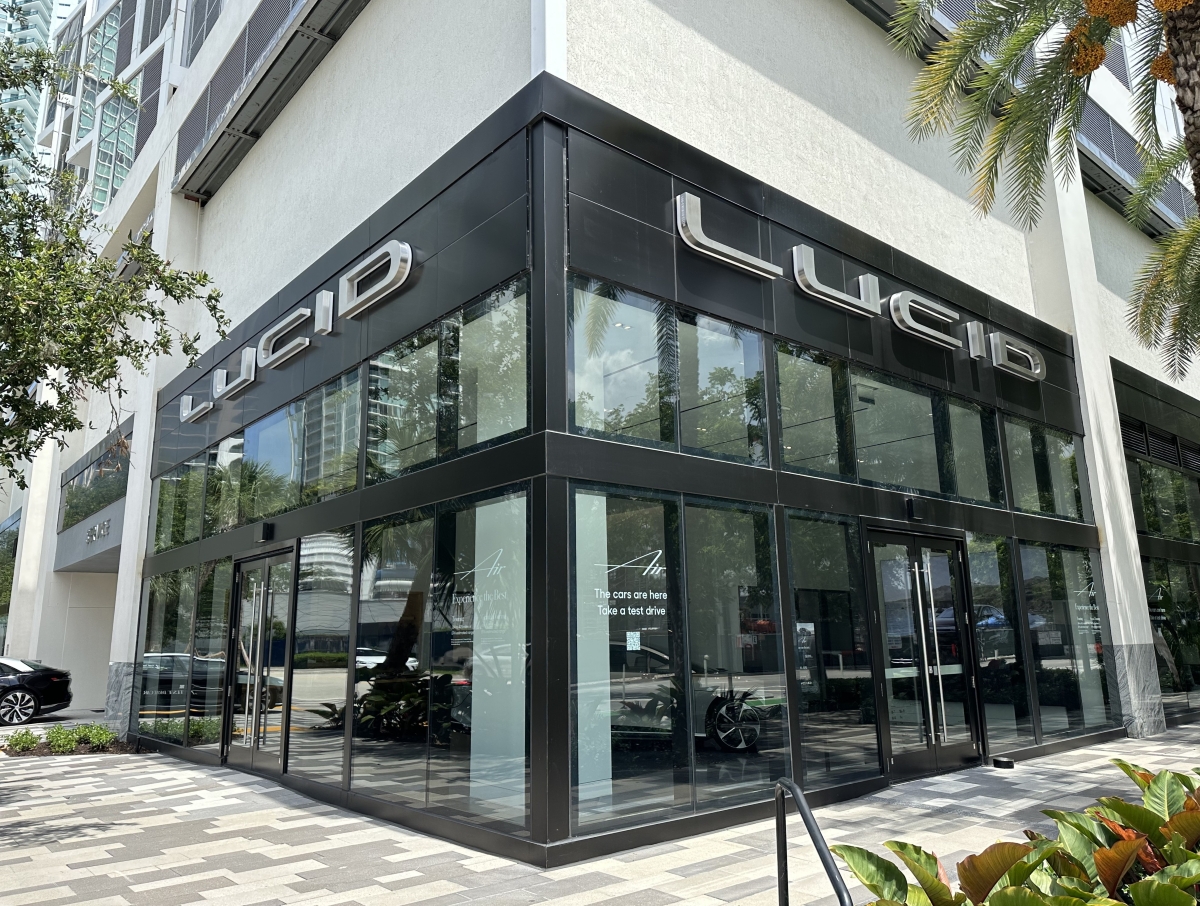
The Saudi-backed EV maker says claims of a possible collapse are untrue, but investors remain worried about the company’s future.
The seafood company solved its demand problem by aggressively buying global distributors. Now it has a financing problem that it can't solve without public money.
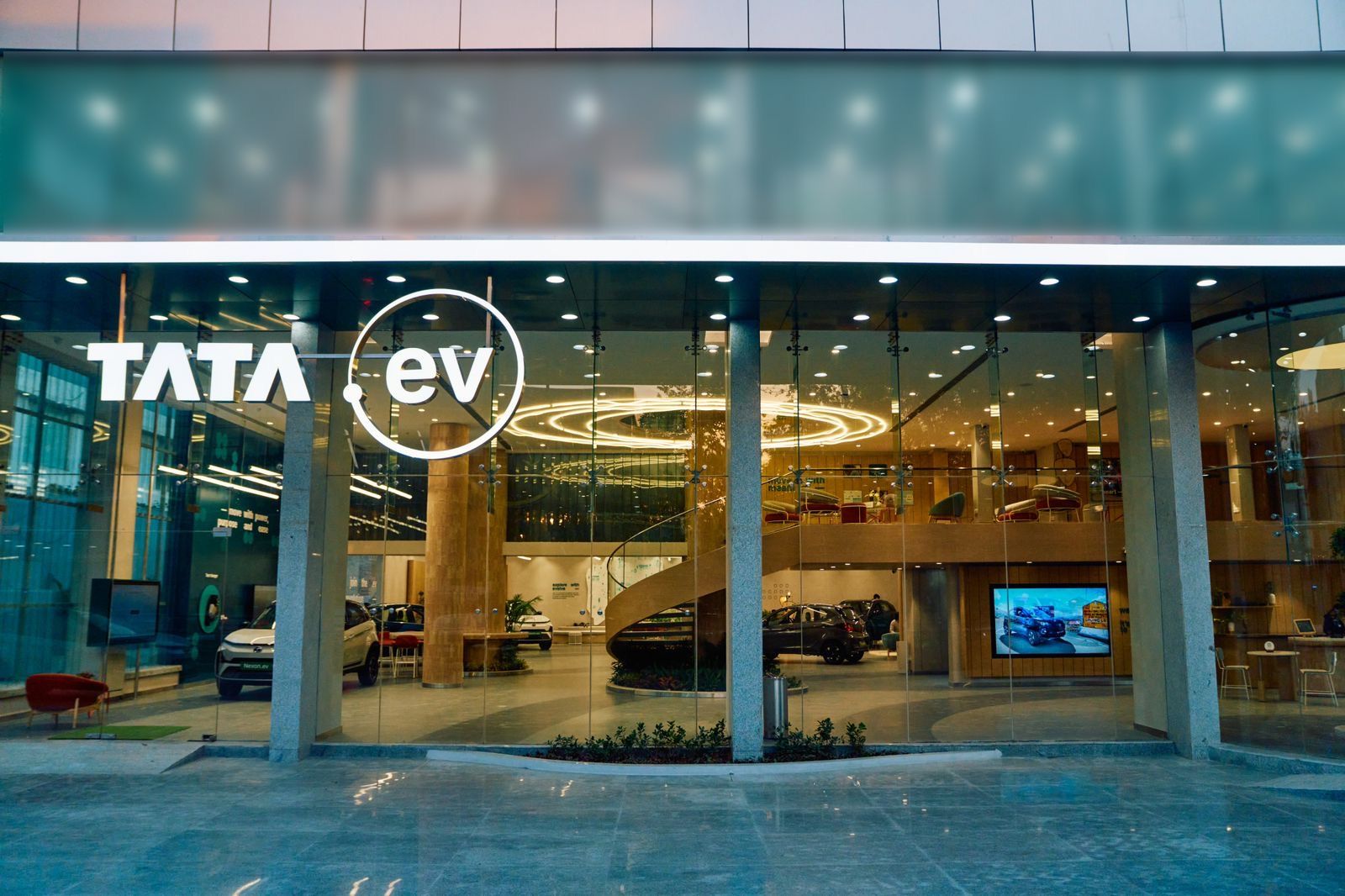
The automaker that virtually created India’s electric car market is forced to offer record discounts, even as rivals surge and competition is set to get fiercer.
The Saudi-backed EV maker says claims of a possible collapse are untrue, but investors remain worried about the company’s future.
The seafood company solved its demand problem by aggressively buying global distributors. Now it has a financing problem that it can't solve without public money.
The automaker that virtually created India’s electric car market is forced to offer record discounts, even as rivals surge and competition is set to get fiercer.