/
•
•
Detailed stories on technology startups, business and economic current affairs.
For Paytm, putting resources behind point-of-sale terminals is a waste of money and precious management bandwidth.



He says it just shy of thirteen minutes into the call.
But it doesn’t come out straight or sudden. First he apologizes for being a bit harsh, maybe, he isn’t sure, and then after an awkward moment, he asks the question: “How much are they selling the machine for?”
We’ve been chatting for that long, jumping from one question to another about the point-of-sale machine, or POS, business in India. And the person at the other end of the phone, a POS veteran of sorts who has been in the business enough number of years to distinguish the bad days …
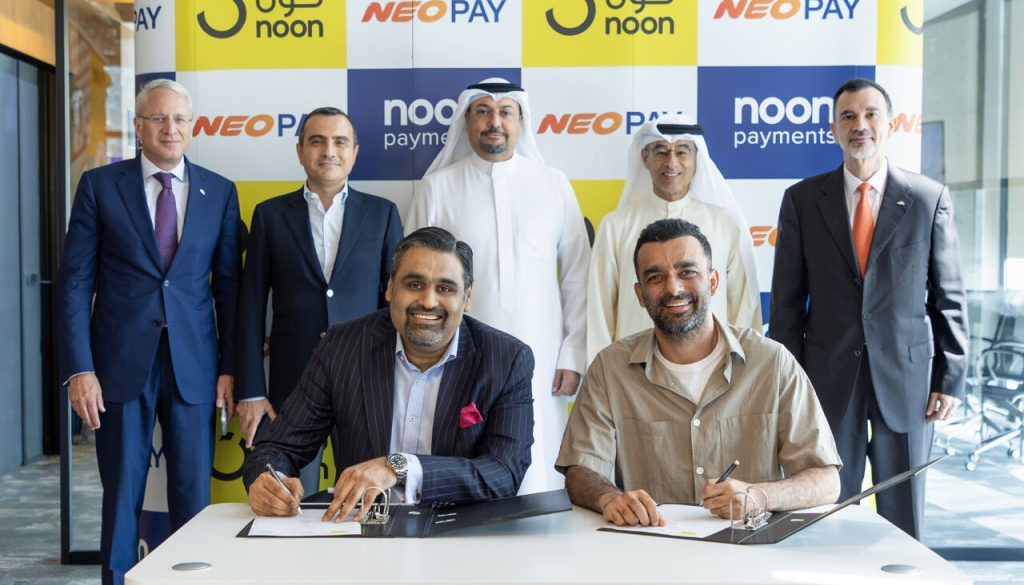
A local fintech deal to consolidate operations, feedback on Saudi Arabia’s proposed IPO rules, and Ras Al Khaimah’s casino economy.

The newly announced levy on UPI payments undermines the very foundation of using digital payments for stock market investing. Brokers are in a tizzy.

The Rs 250 SIP was launched last year by the former SEBI chairperson with one clear goal: financial inclusion. More than a year later, the much-hyped scheme doesn’t seem to have caught on with MF investors.