/
•
•
Detailed stories on technology startups, business and economic current affairs.
The marquee brand that pushed the Indian automotive company into the global limelight is now a millstone that can stymie its growth in the domestic market.




The fiscal year 2022 was near magical for Tata Motors, India’s biggest automobile company and the No.1 manufacturer of electric cars. Its passenger vehicle business posted its best ever turnover in over a quarter century of operations, managing to wrest the third spot in terms of market share after nearly a decade. The commercial vehicle business, which saw its market share drop to 36% from 50% a decade ago, actually gained 5% during the year.
What stopped it from being magical was a small blot. The star of the company’s portfolio, the UK-headquartered Jaguar Land Rover (JLR), which sells high-end …
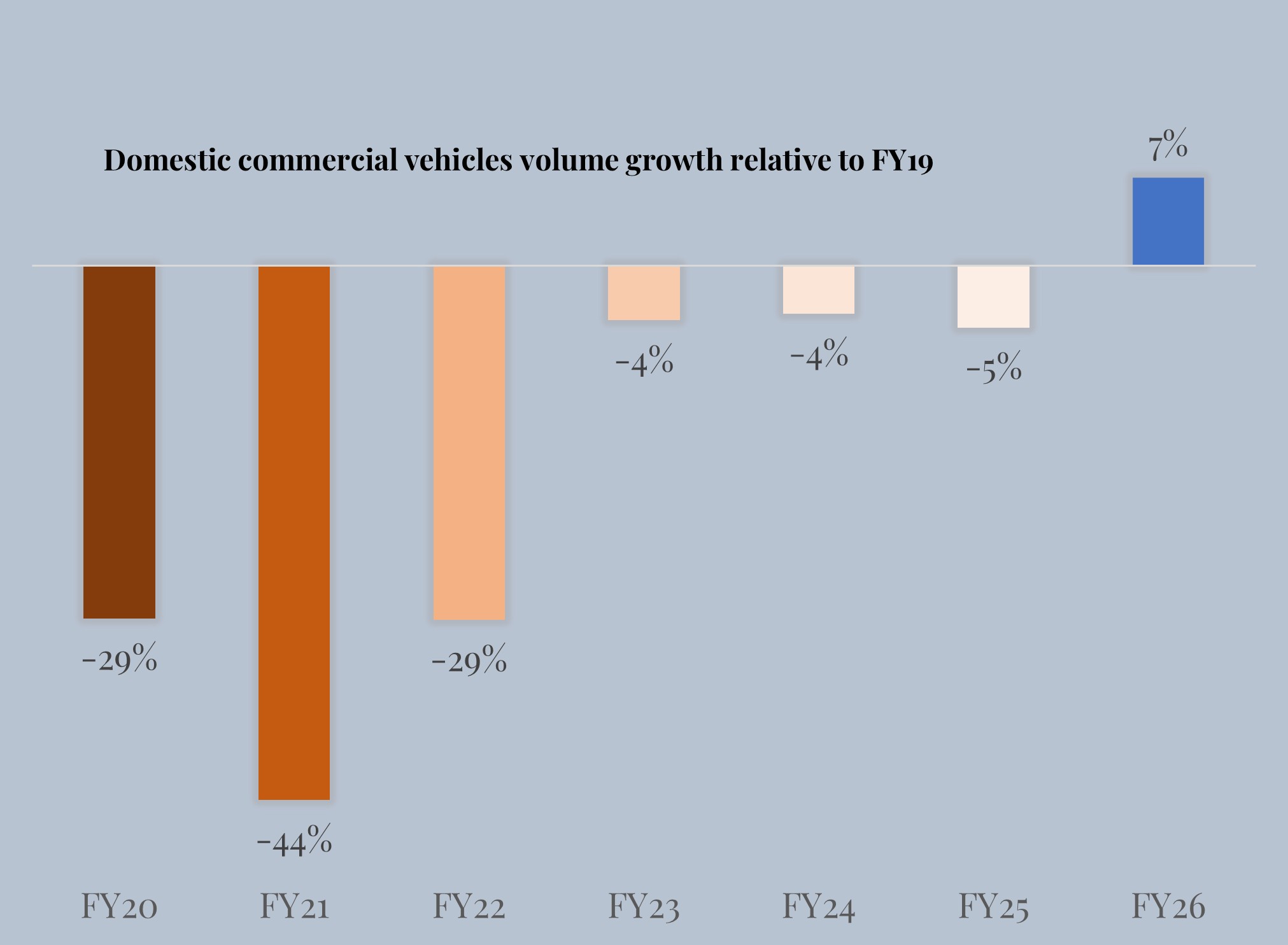
FY26 numbers for the three major CV makers show resilience and all-around growth. This doesn’t look anything like the undifferentiated sector it once was.
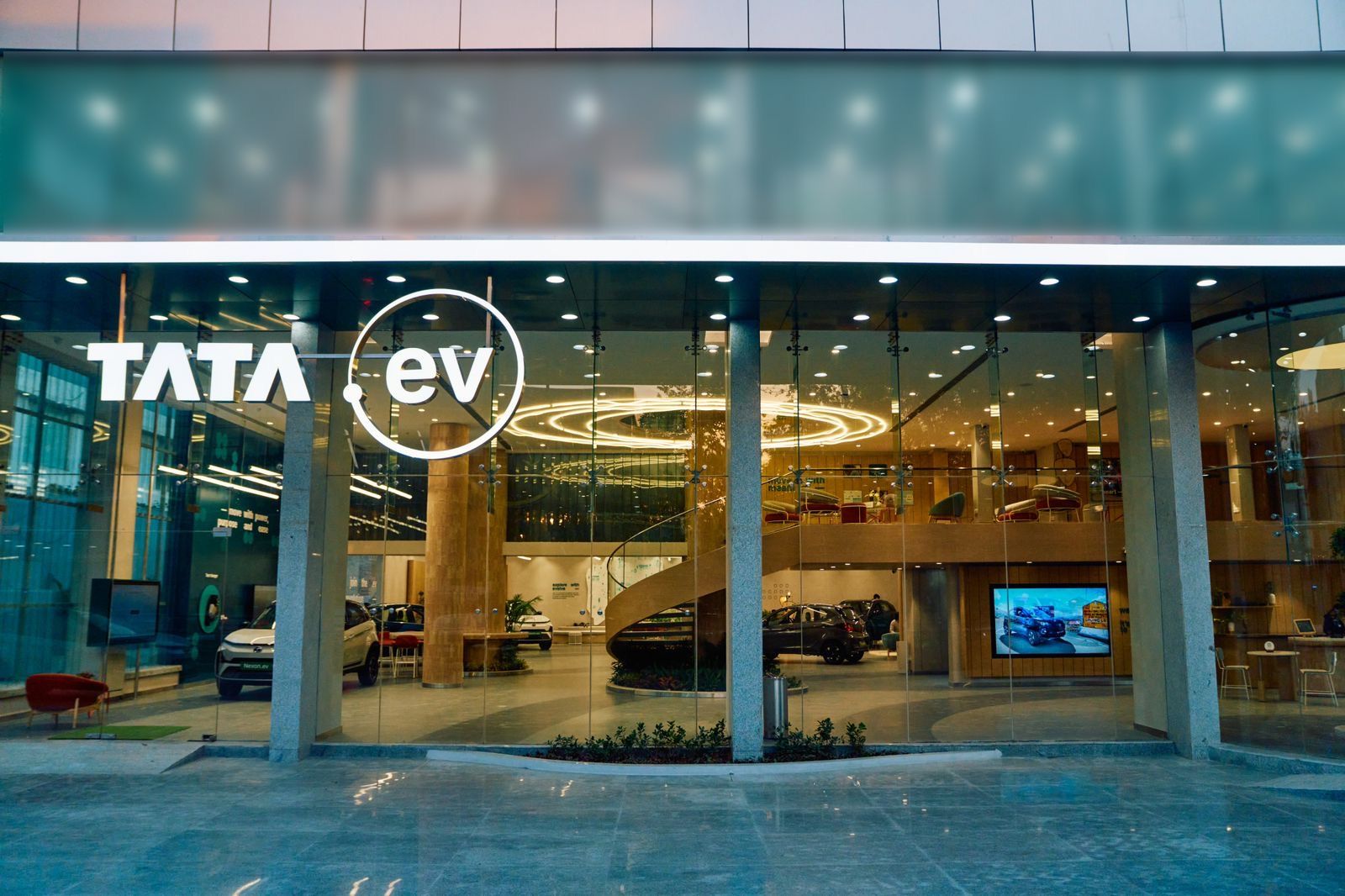
The automaker that virtually created India’s electric car market is forced to offer record discounts, even as rivals surge and competition is set to get fiercer.
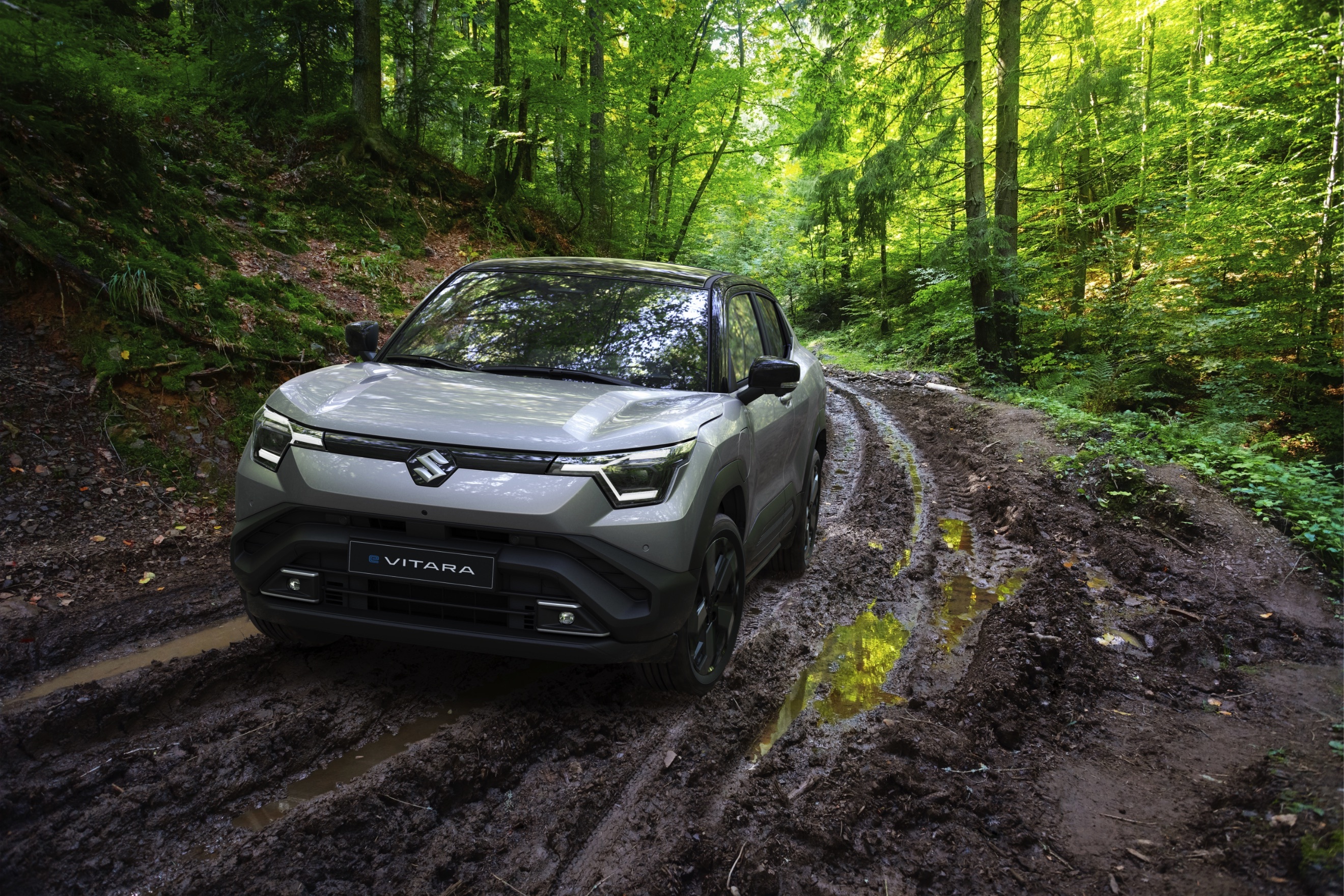
A revival in small-car sales has restored the automaker’s advantage, but tougher fuel-efficiency norms threaten to turn its greatest strength into a liability.