/
•
•
Detailed stories on technology startups, business and economic current affairs.
After a good start, the CEO is eyeing international flights as a path to profitability. But IndiGo and Air India will give him a tough fight.



Editor's note: Seven months is too soon. But Akasa Air, which took off in August 2022, has had the best start by an airline in India yet. Even IndiGo, whose 2006 launch influenced Akasa’s own blueprint, didn’t have it so good. Akasa, led by founder-CEO Vinay Dube, has steadily grown its share in the domestic market to 3% as of February, and at this rate may soon start troubling SpiceJet and Go First, two airlines beset with problems that include sliding market share. Its fleet has increased to 19 aircraft. The rate of expansion has been furious, especially in the last three months, when it added nearly a dozen Boeing 737 Max planes. The airline connects all the metros and its network—consisting of 17 destinations at present—is expanding fast. IndiGo—which also started in August—had less than 10 aircraft at the end of its first financial year, says a partner with a multinational consulting firm, asking not to be named. “Akasa is more than twice that already. IndiGo had taken about two years to reach the 20-aircraft mark, something Akasa may reach anytime …

After a good start, the CEO is eyeing international flights as a path to profitability. But IndiGo and Air India will give him a tough fight.
Editor's note: Seven months is too soon. But Akasa Air, which took off in August 2022, has had the best start by an airline in India yet. Even IndiGo, whose 2006 launch influenced Akasa’s own blueprint, didn’t have it so good. Akasa, led by founder-CEO Vinay Dube, has steadily grown its share in the domestic market to 3% as of February, and at this rate may soon start troubling SpiceJet and Go First, two airlines beset with problems that include sliding market share. Its fleet has increased to 19 aircraft. The rate of expansion has been furious, especially in the last three months, when it added nearly a dozen Boeing 737 Max planes. The airline connects all the metros and its network—consisting of 17 destinations at present—is expanding fast. IndiGo—which also started in August—had less than 10 aircraft at the end of its first financial year, says a partner with a multinational consulting firm, asking not to be named. “Akasa is more than twice that already. IndiGo had taken about two years to reach the 20-aircraft mark, something Akasa may reach anytime …
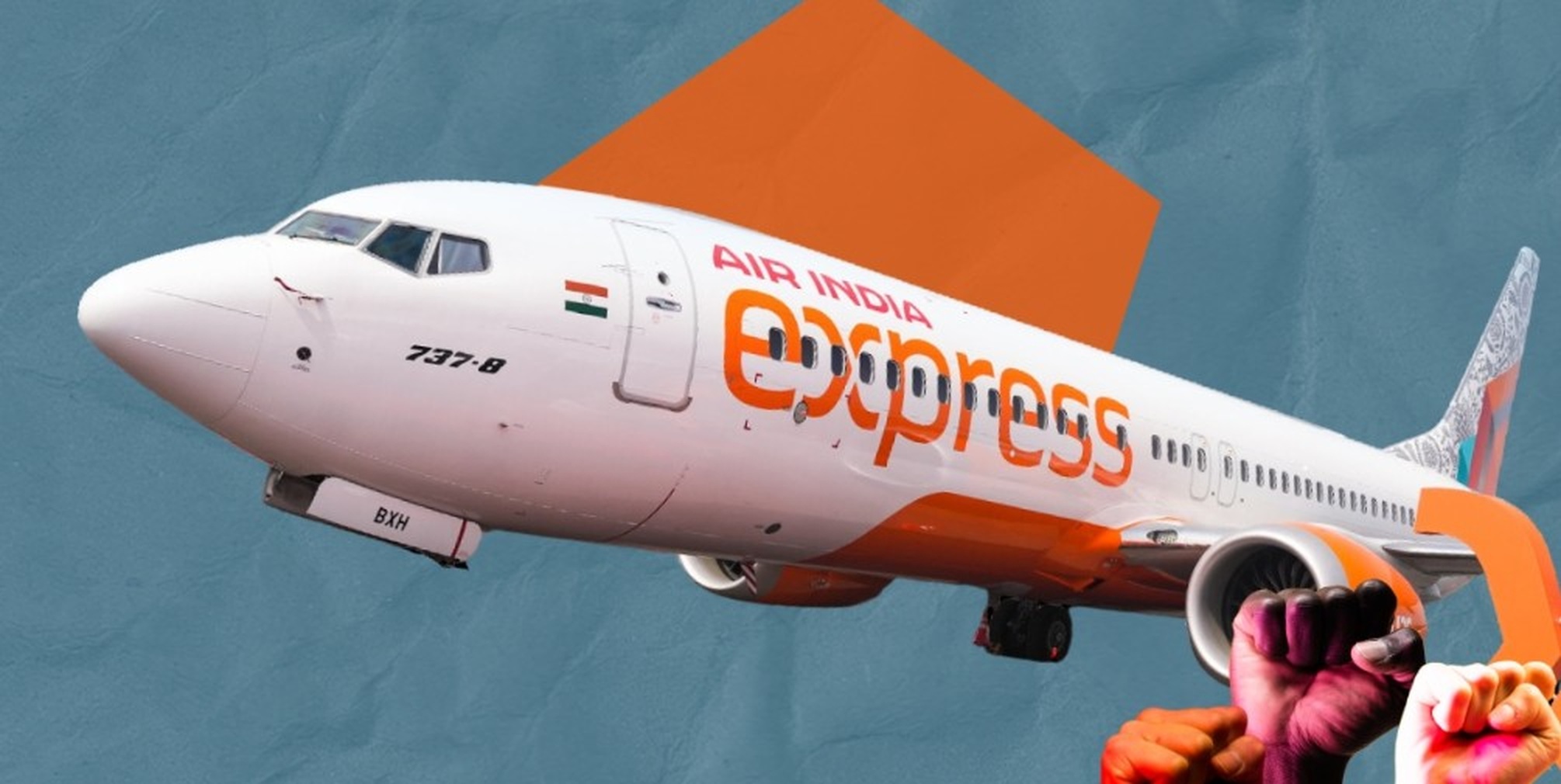
As the low-cost carrier pushes through a compensation overhaul, the absence of a CEO is complicating a delicate moment.
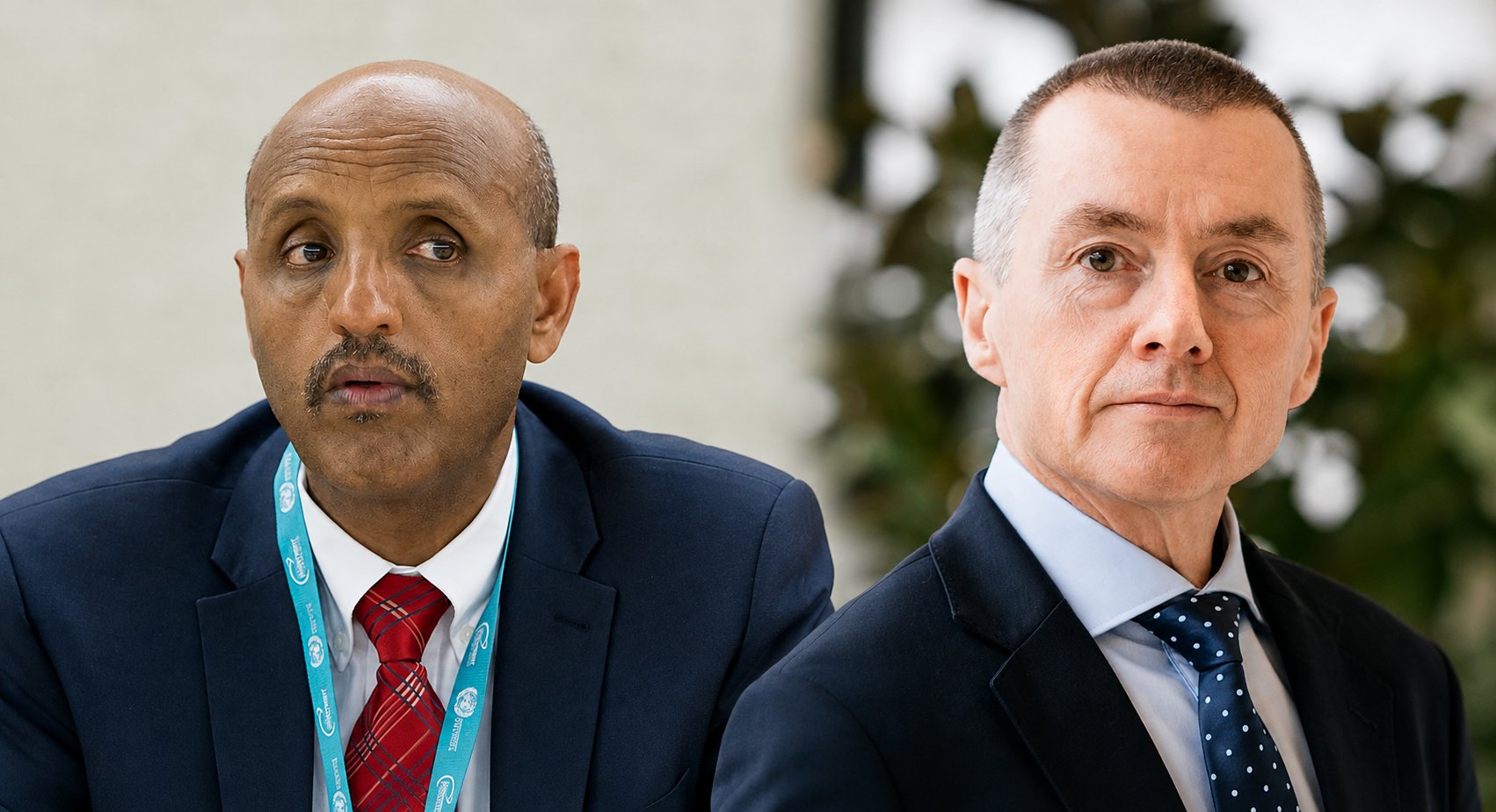
The two new chief executives at Air India and IndiGo come with contrasting reputations but face the same challenge—do their predecessors one better.
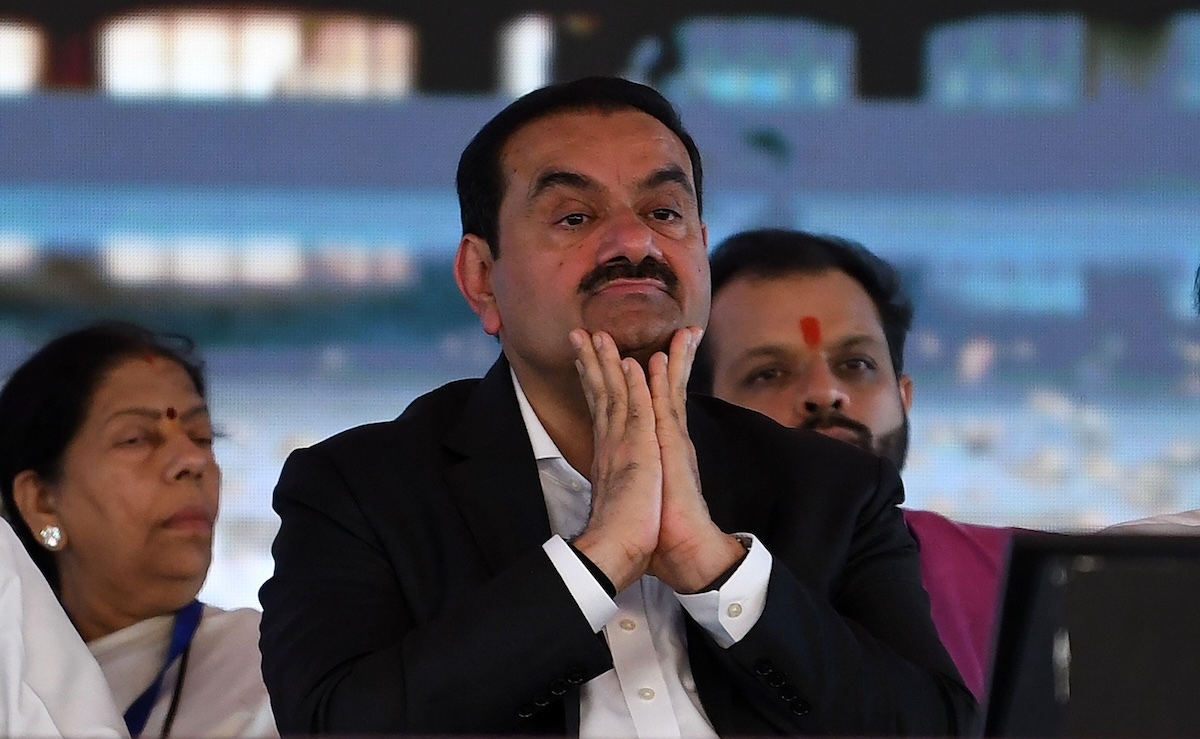
A regulatory easing could see the billionaire’s conglomerate move from running airports to owning an airline—an idea he is warming up to, with multiple options open.
As the low-cost carrier pushes through a compensation overhaul, the absence of a CEO is complicating a delicate moment.
The two new chief executives at Air India and IndiGo come with contrasting reputations but face the same challenge—do their predecessors one better.
A regulatory easing could see the billionaire’s conglomerate move from running airports to owning an airline—an idea he is warming up to, with multiple options open.