/
•
•
Detailed stories on technology startups, business and economic current affairs.
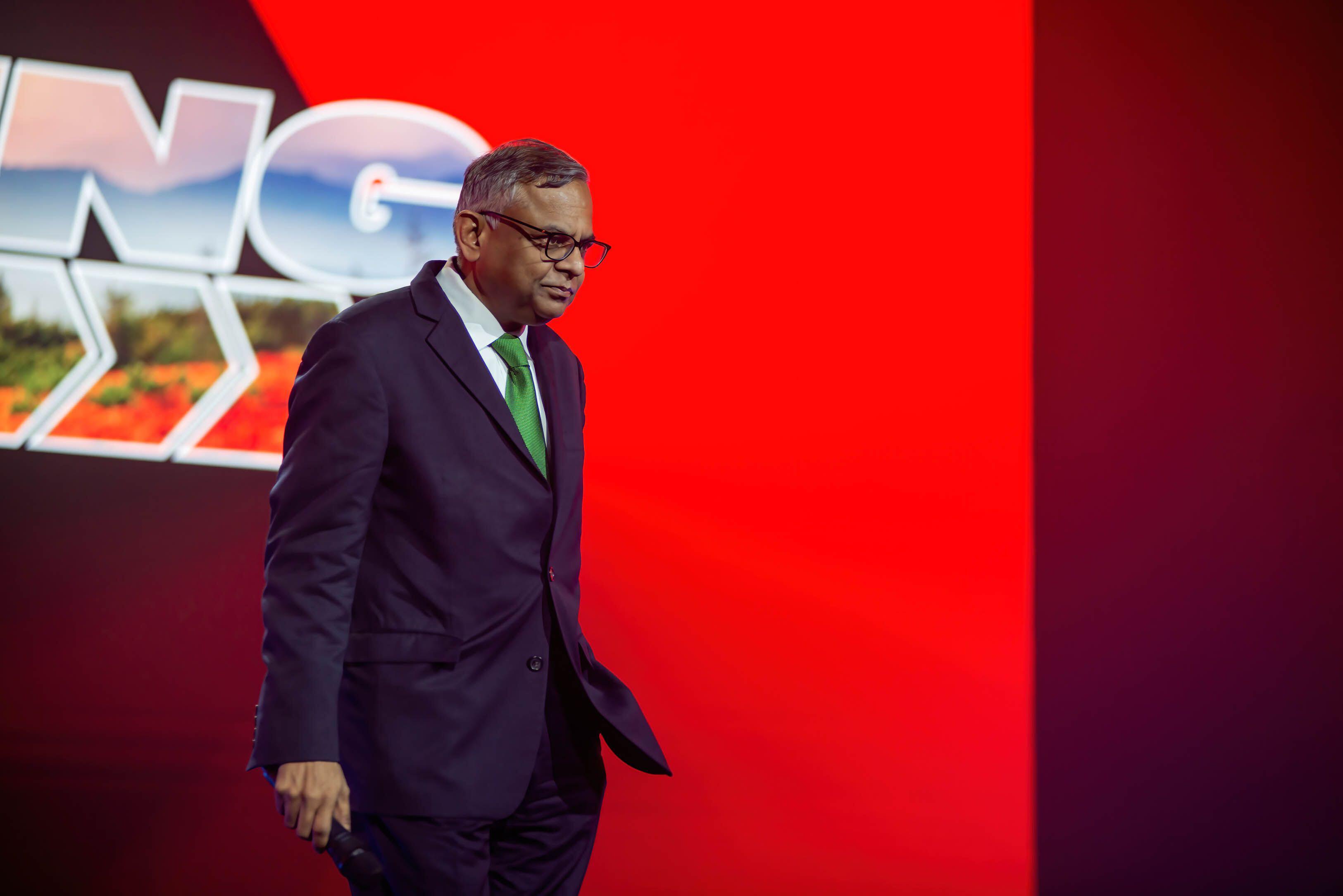
Bringing the airline back to the Tata fold is just the beginning of a strenuous test that lies ahead of Tata Sons chairman N. Chandrasekaran.

Editor's note: “Welcome back, Air India!” The joy in Ratan Tata’s words was unmistakable. After all, he was just a helpless teenager back in 1953, when the Jawaharlal Nehru government forcibly took away the ownership of the airline that was founded by his uncle, J.R.D. Tata. The emotive aspect apart, financially too, the Rs 18,000-crore deal to acquire the national flag carrier would have brought a smile to the face of the Tata group’s chairman emeritus. Talace Pvt. Ltd, the Tata Sons subsidiary under which the acquisition has been done, will pay Rs 2,700 crore in cash to take complete ownership of the national airline. That is small change compared to what it brings: control over an operation that has 141 aircraft, flights to over 200 destinations, over 7,000 airport slots and bilateral agreements with 43 countries. The Tata group will now have the largest market share of international traffic in and out of India, and the second most in domestic, just behind IndiGo. To put the equity number in perspective, if the Tata group’s treasury had managed to get a 10% …
Bringing the airline back to the Tata fold is just the beginning of a strenuous test that lies ahead of Tata Sons chairman N. Chandrasekaran.

Editor's note: “Welcome back, Air India!” The joy in Ratan Tata’s words was unmistakable. After all, he was just a helpless teenager back in 1953, when the Jawaharlal Nehru government forcibly took away the ownership of the airline that was founded by his uncle, J.R.D. Tata. The emotive aspect apart, financially too, the Rs 18,000-crore deal to acquire the national flag carrier would have brought a smile to the face of the Tata group’s chairman emeritus. Talace Pvt. Ltd, the Tata Sons subsidiary under which the acquisition has been done, will pay Rs 2,700 crore in cash to take complete ownership of the national airline. That is small change compared to what it brings: control over an operation that has 141 aircraft, flights to over 200 destinations, over 7,000 airport slots and bilateral agreements with 43 countries. The Tata group will now have the largest market share of international traffic in and out of India, and the second most in domestic, just behind IndiGo. To put the equity number in perspective, if the Tata group’s treasury had managed to get a 10% …
In a surprise move on Wednesday, the Tata Sons chairman announced he will exit Bombay House at the end of his tenure in February 2027. He leaves at what is one of the most crucial times for the group.

A regulatory easing could see the billionaire’s conglomerate move from running airports to owning an airline—an idea he is warming up to, with multiple options open.
The Manoj Chacko-led regional airline has had a promising start. Will the lessons of the past keep it on course while it expands?
In a surprise move on Wednesday, the Tata Sons chairman announced he will exit Bombay House at the end of his tenure in February 2027. He leaves at what is one of the most crucial times for the group.

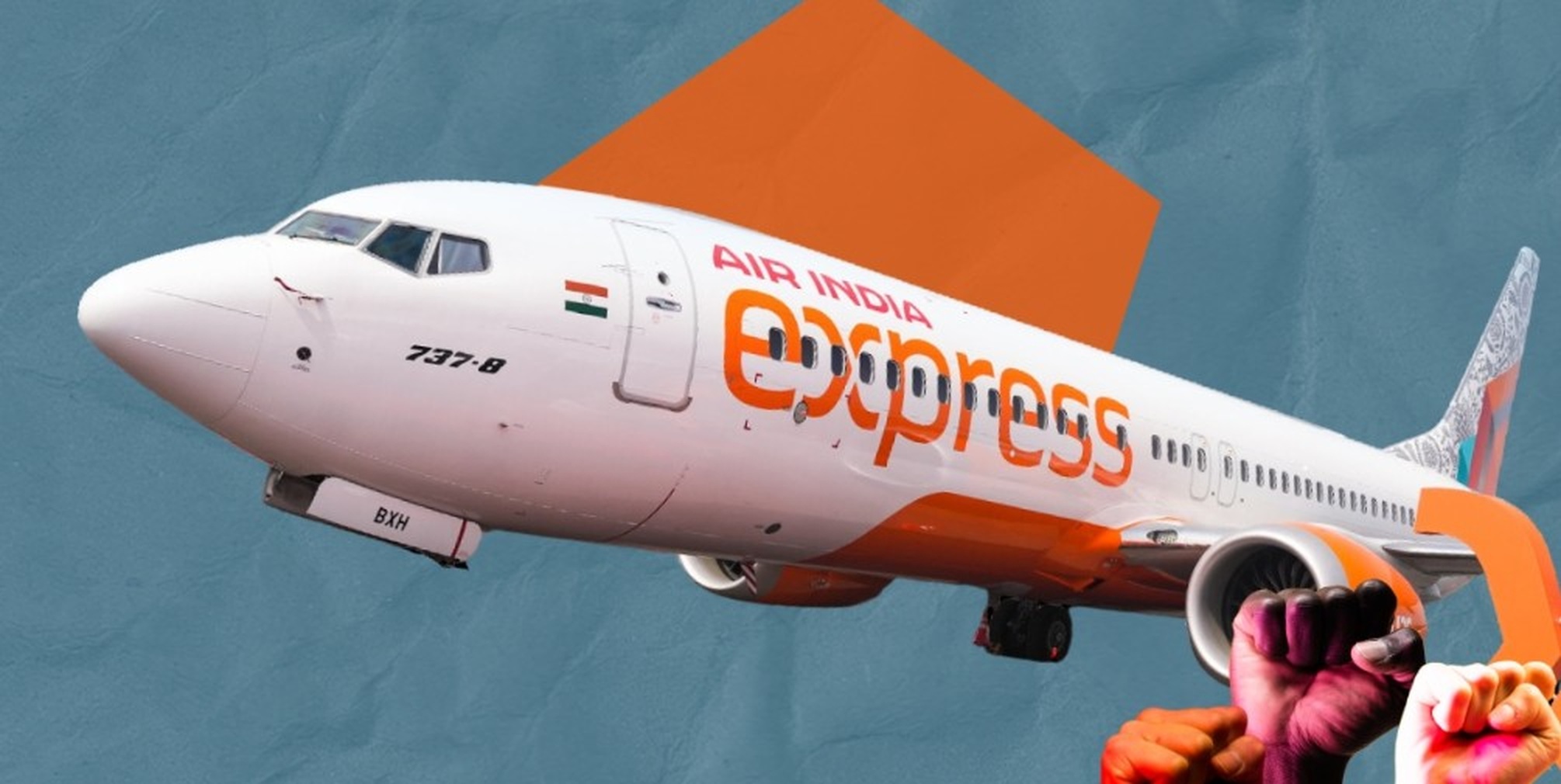
A regulatory easing could see the billionaire’s conglomerate move from running airports to owning an airline—an idea he is warming up to, with multiple options open.
The Manoj Chacko-led regional airline has had a promising start. Will the lessons of the past keep it on course while it expands?