/
•
•
Detailed stories on technology startups, business and economic current affairs.
The three-year-old fintech seems to think a listing will boost its chances of getting a bank licence. Does it stand a chance, given its missteps?




When Sachin Bansal cashed out of Flipkart with a billion dollars in the summer of 2018, the entrepreneur had made it clear he didn’t want to set up another startup. In November that year, inspired by the HDFC Bank app crash, he got his next big idea: to build a digitally oriented financial services conglomerate. He launched Navi Technologies in December of that year.
Three years on, Navi is nowhere close to being a conglomerate. It operates through a network of subsidiaries, most of which it acquired over the same three years.
On Saturday, Navi Technologies filed a draft red …
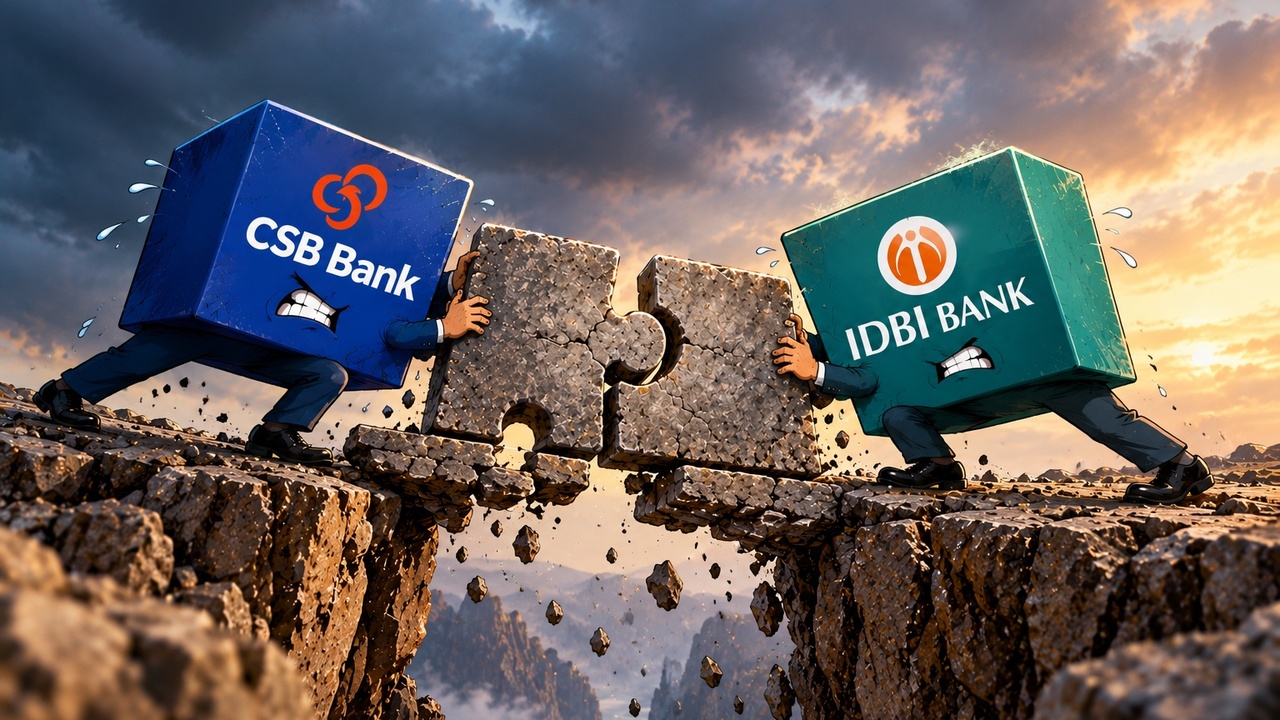
The acquisition of IDBI Bank puts his Fairfax smack dab in the middle of the RBI’s rules on bank ownership. It must now decide whether to sell CSB Bank or merge the two lenders, neither of which will be easy.

Lenders stand to gain a lot more than borrowers in the current challenging market environment

The kingdom is moving to tighten the rules around public listings, algorithmic trading, trading in foreign securities and company disclosures—all in an effort to chase transparency.