/
•
•
For one day last week, The Morning Context sneaked a peek at the mobile phones of 10 people in India, across professions, age groups and geographies.


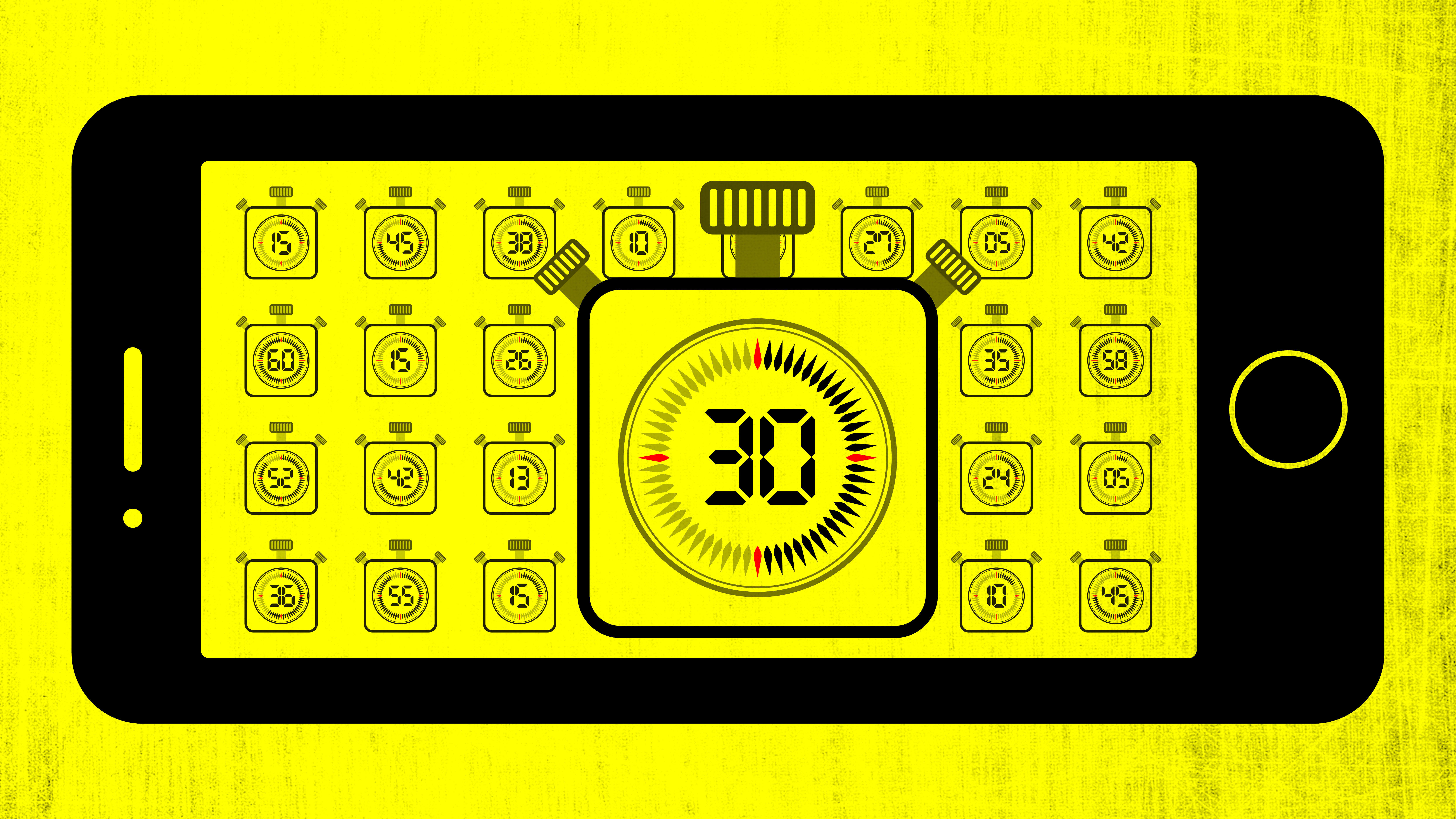
Editor's note: Rehana, 70, usually starts her day with a cup of tea in one hand and her phone in the other. A couple of “Good Morning” posts on the WhatsApp family group usually leads to her sister—who lives a lane away from her in Mumbai—reciprocating with sonnets on how a new day brings new opportunities. It’s routine. “This wasn’t how it used to be. Mornings were always a rush with food to cook, lunches to pack,” she says, half embarrassed. But the pandemic has allowed her to take things slower now that her daughter works from home. Around the same time, Delhi resident and soon turning 66, Parmeet’s first move is to turn on the prayer channel on the television. As the tune hums in the background, she’s also sending her good mornings to the multiple groups between friends and family. “I wake up way before anyone else in the house. So I have time to kill.” And her favourite way to kill time? Sitting on her chair in the balcony with her phone in hand. For one day last week, …
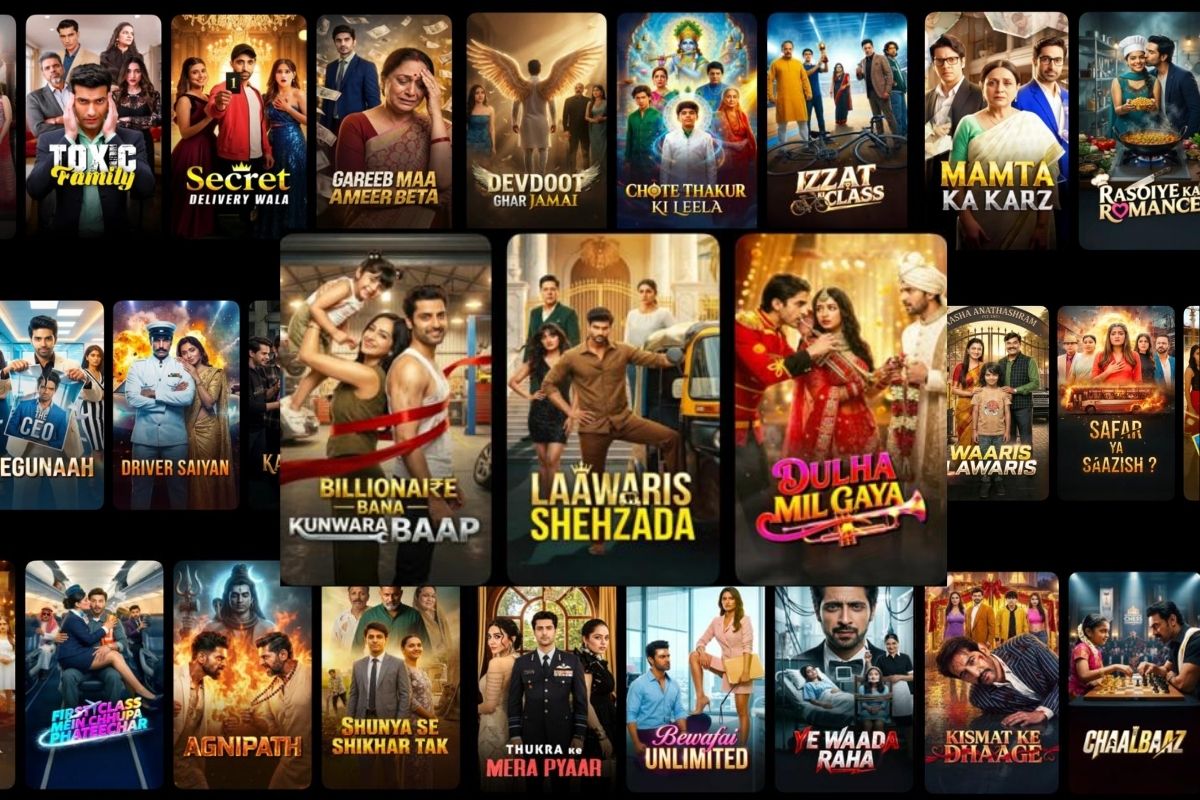
The homegrown social startup is betting big on India’s latest content obsession—minute-long episodes of high-stakes dramas. Cut through the noise and the microdrama hype itself doesn’t add up.
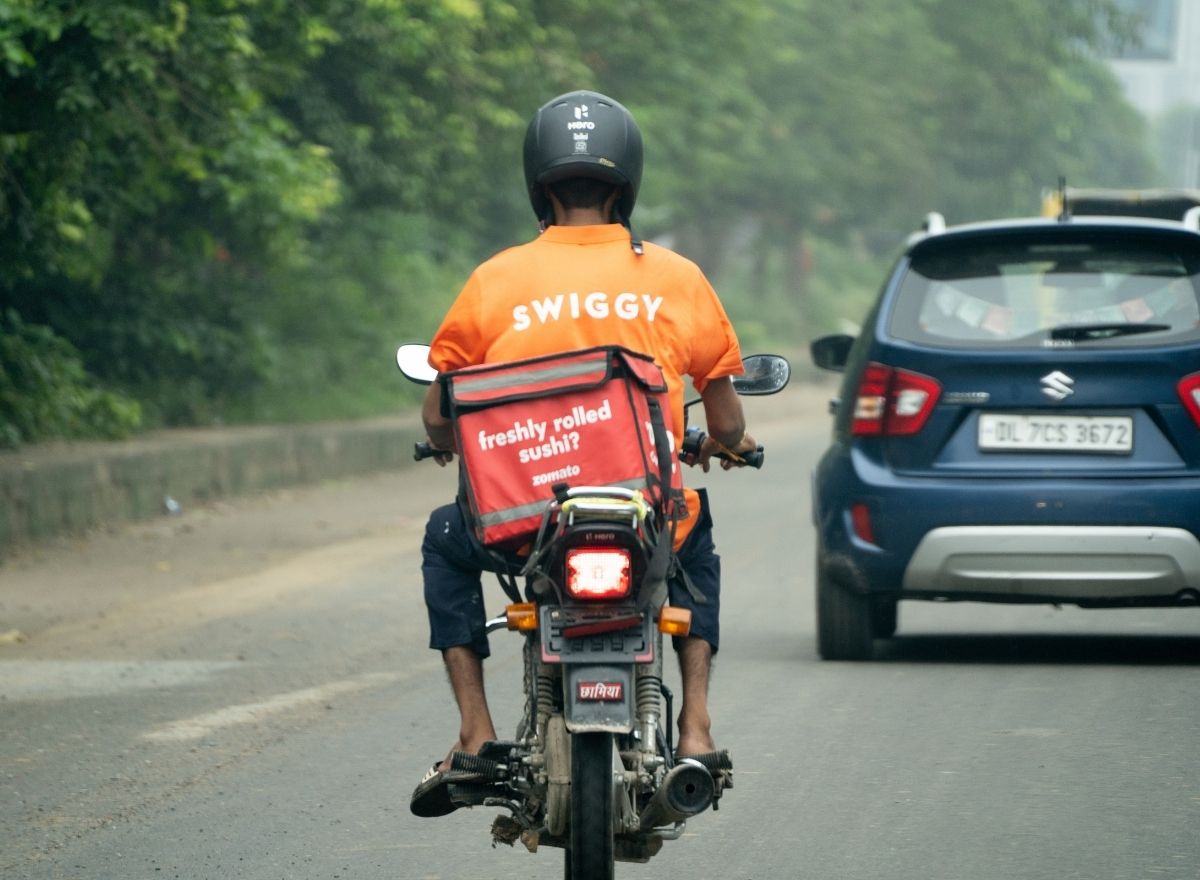
Exploitation of unskilled workers is at the heart of quick-delivery service businesses in India. They should be valued for what they are and not what they pretend to be, a trait that has taken a devious form of wanting it both ways.
The Department of Telecommunications’ directive that every smartphone come pre-installed with the app follows a familiar pattern of ‘optional’ tools that turn mandatory in practice.