/
•
•
Detailed stories on technology startups, business and economic current affairs.
Having survived the exit of all its founders, the PoS startup now seems to find itself in the interesting position of having free rein to build a profitable business.



Two points to ponder:
● Is it easy for anyone in the startup ecosystem to put their head down and keep building a slow-growing fintech business when their biggest competitor is swallowing every funding opportunity available in the market year after year?
● How many startups have you seen where the founders have quit—without a sale/exit or a fight and an ouster—and what are the chances of success of such a company running along in the personality-driven startup ecosystem?
The company was Chamath Palihapitiya-run Social Capital’s first investment in India—Ezetap.
The third-largest company in the point-of-sale payments business …
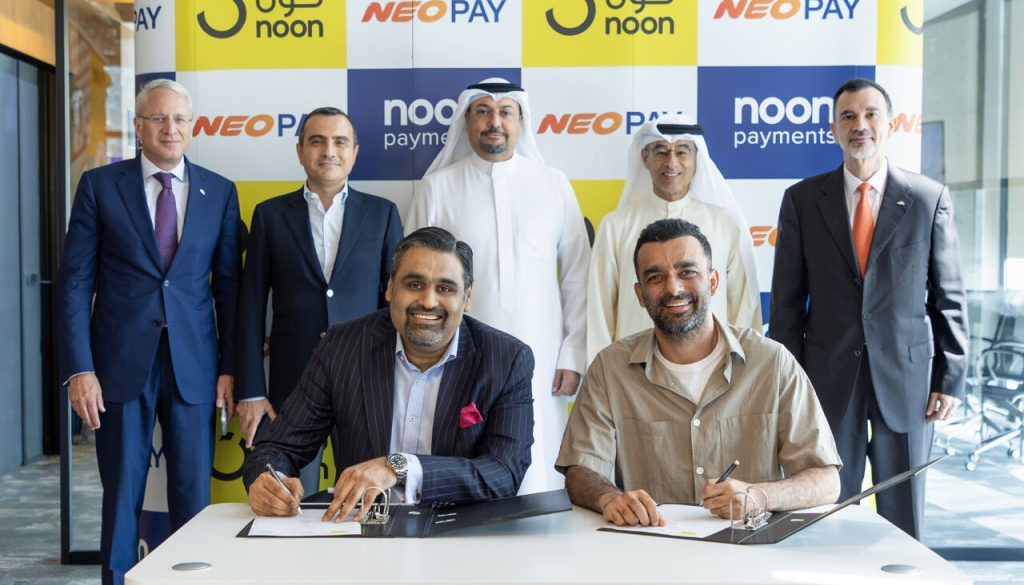
A local fintech deal to consolidate operations, feedback on Saudi Arabia’s proposed IPO rules, and Ras Al Khaimah’s casino economy.

The newly announced levy on UPI payments undermines the very foundation of using digital payments for stock market investing. Brokers are in a tizzy.

The Rs 250 SIP was launched last year by the former SEBI chairperson with one clear goal: financial inclusion. More than a year later, the much-hyped scheme doesn’t seem to have caught on with MF investors.