/
•
•
Detailed stories on technology startups, business and economic current affairs.
Even as the much-awaited cricket tournament kicks off, Reliance and Disney are going all out to draw viewers and advertisers. Who will prevail?



Editor's note: The 16th edition of the Indian Premier League starts today and in the recent history of the cricket tournament, this is going to be one of the more significant ones. For the first time ever, television and streaming are going to take on each other head-on for the IPL viewership (and, in the process, advertising dollars). The television rights for the tournament are with Disney-owned Star India and the streaming rights are with Reliance Industries’ Viacom18, which will be airing the IPL on its streaming platform JioCinema. Up until this year, the streaming rights for the IPL were always with Star India (read: Hotstar). The past few days have been all about the preparation for this fight. Viacom18 kick-started things earlier this month with an advertisement that says digital India will watch digital IPL; the ad stars cricketer M.S. Dhoni. On the other hand, Star India's ad campaign celebrates watching sports as a community; it features cricketer Virat Kohli. But the fight goes beyond the ad war. (Read all about how Disney ended up with the television rights and lost …
Even as the much-awaited cricket tournament kicks off, Reliance and Disney are going all out to draw viewers and advertisers. Who will prevail?
Editor's note: The 16th edition of the Indian Premier League starts today and in the recent history of the cricket tournament, this is going to be one of the more significant ones. For the first time ever, television and streaming are going to take on each other head-on for the IPL viewership (and, in the process, advertising dollars). The television rights for the tournament are with Disney-owned Star India and the streaming rights are with Reliance Industries’ Viacom18, which will be airing the IPL on its streaming platform JioCinema. Up until this year, the streaming rights for the IPL were always with Star India (read: Hotstar). The past few days have been all about the preparation for this fight. Viacom18 kick-started things earlier this month with an advertisement that says digital India will watch digital IPL; the ad stars cricketer M.S. Dhoni. On the other hand, Star India's ad campaign celebrates watching sports as a community; it features cricketer Virat Kohli. But the fight goes beyond the ad war. (Read all about how Disney ended up with the television rights and lost …
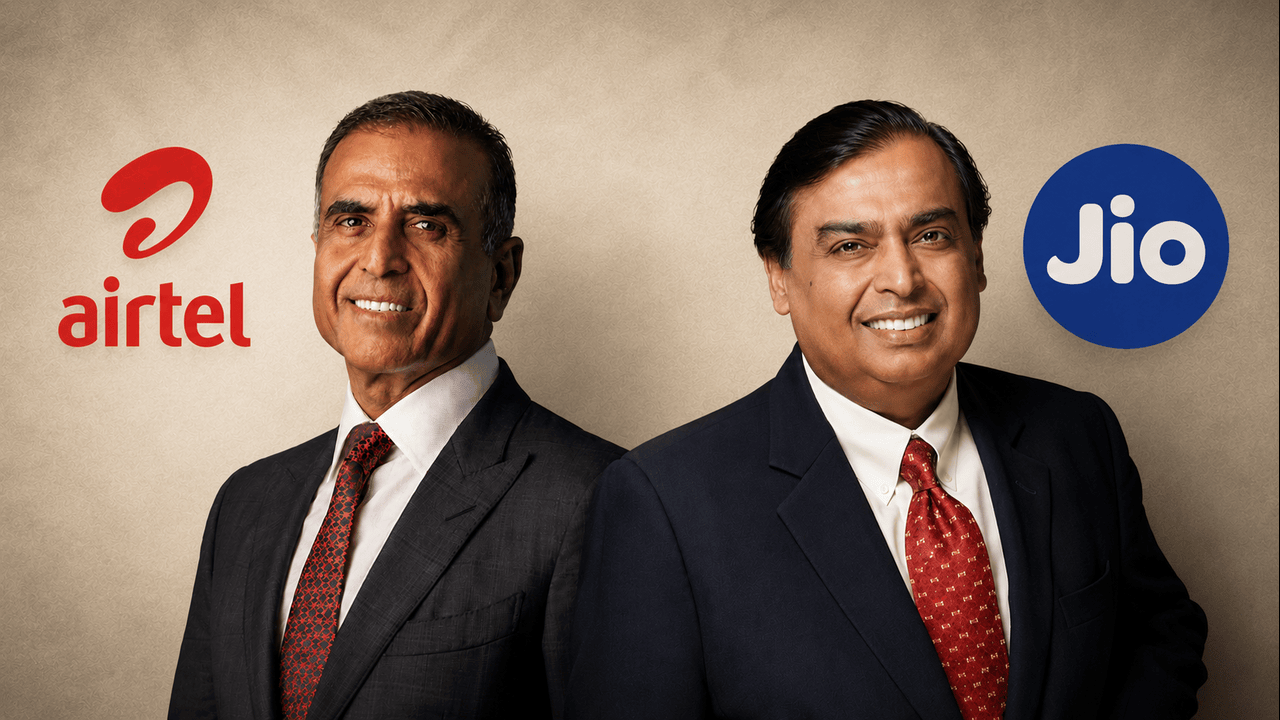
Instead of going after scale like Jio, the Sunil Bharti Mittal-led telecom giant is chasing a smaller but higher-quality customer base to grow its home broadband segment. Will the bet pay off?
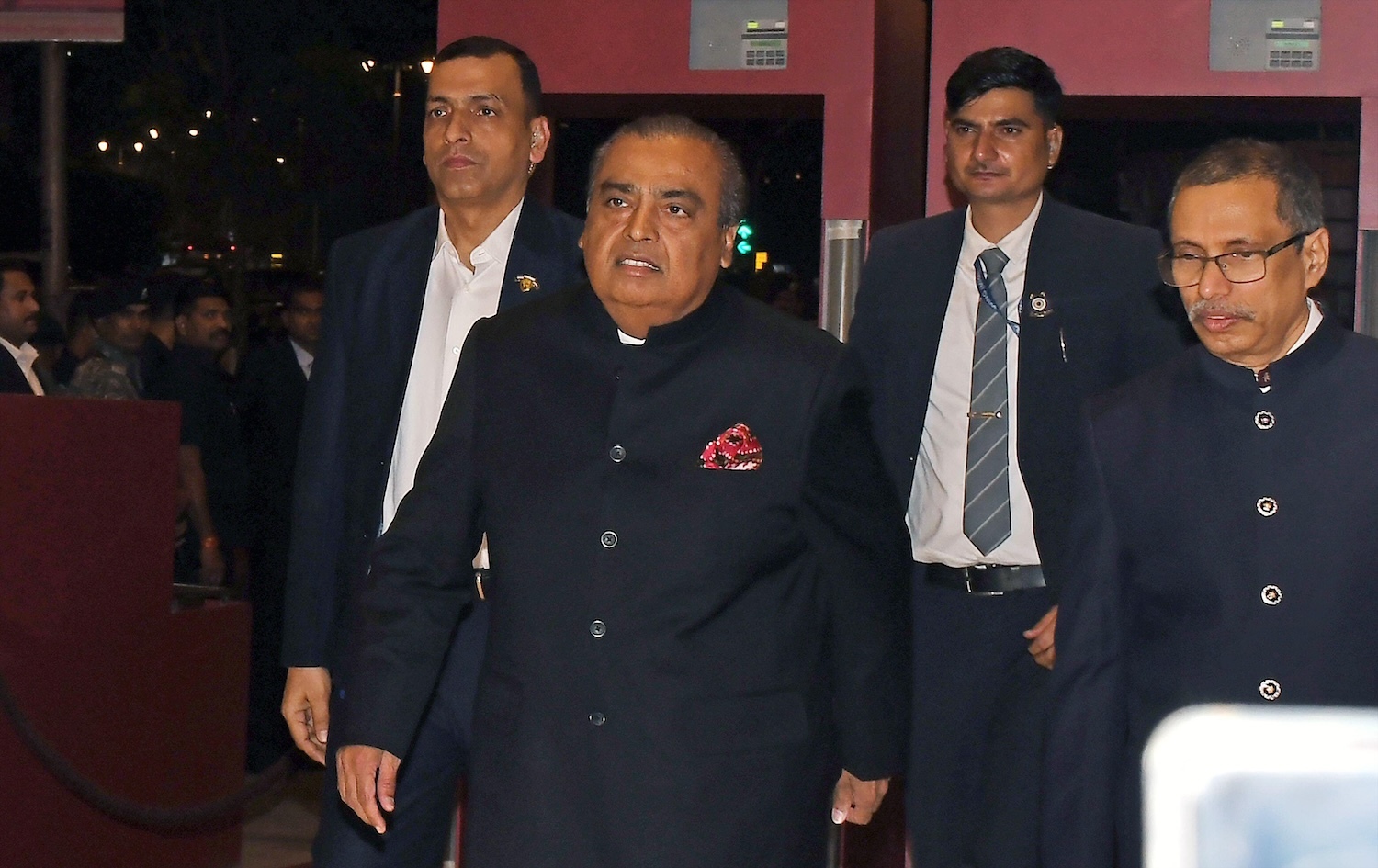
While the Rs 9,000 crore promoter investment in Q1 brings a measure of reassurance, investors will still have to wait for Jio and retail to work through their challenges.
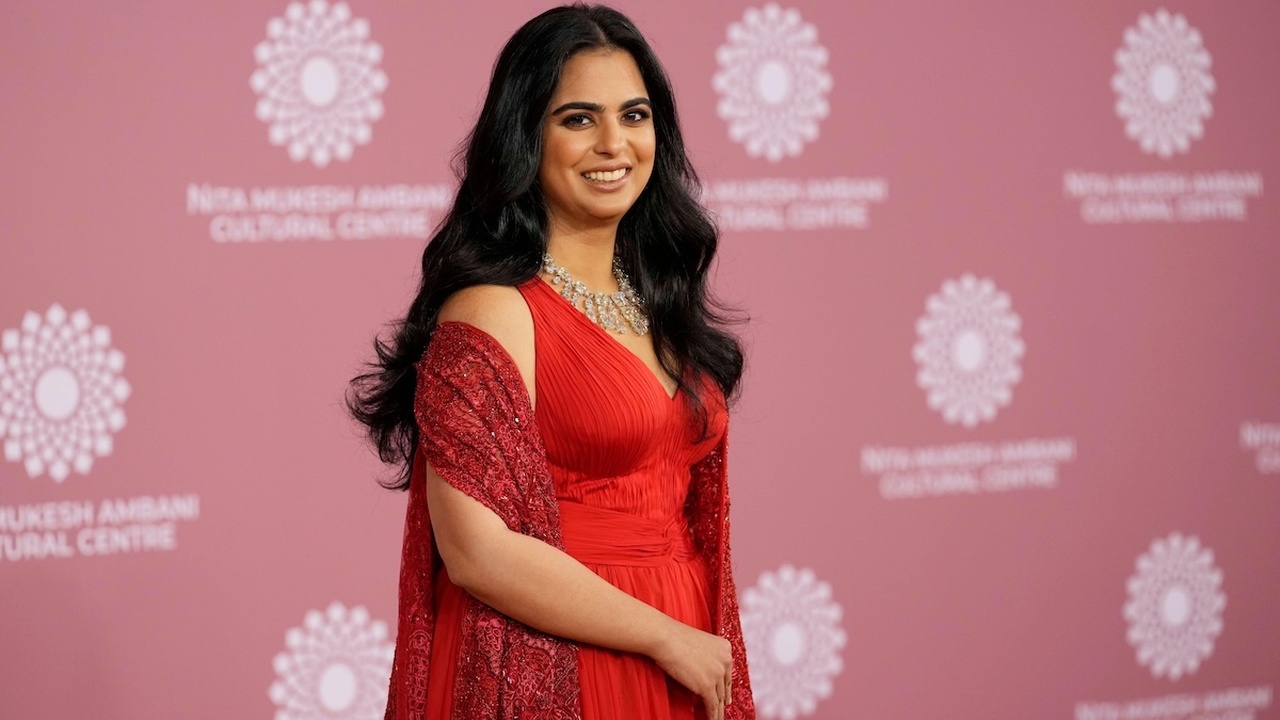
Reliance Consumer Products is relying on aggressive pricing in the hope that its staples brand will become a household name. But such tactics can go only so far.
Instead of going after scale like Jio, the Sunil Bharti Mittal-led telecom giant is chasing a smaller but higher-quality customer base to grow its home broadband segment. Will the bet pay off?
While the Rs 9,000 crore promoter investment in Q1 brings a measure of reassurance, investors will still have to wait for Jio and retail to work through their challenges.
Reliance Consumer Products is relying on aggressive pricing in the hope that its staples brand will become a household name. But such tactics can go only so far.