/
•
•
Detailed stories on technology startups, business and economic current affairs.
The RBI’s circular has led to some firms stopping pay later services, others to consider pivots and a few brazening it out in the hope of getting the regulator to blink.



Editor's note: In seven days, India’s buy now pay later, or BNPL, sector seems to have gone through the seven stages of grief. There’s been shock, pain, anger, bargaining, depression, hope and acceptance, in varying degrees, in every corner of the industry. The bad news came last Monday, in the form of a circular from the Reserve Bank of India, prohibiting non-bank prepaid payment instrument operators from loading their wallets or cards with any line of credit. We wrote about this circular and its implications. A prepaid instrument, as the name suggests, is a card or digital wallet in which customers can place funds for spending at a later date. According to RBI rules, money can be loaded into a PPI either through bank accounts or debit or credit cards. But over the past few years, a number of fintech companies have been linking credit lines (usually from non-bank lending partners) to digital wallets and prepaid cards. This wasn’t explicitly disallowed, but it essentially creates a credit card-like payment product, and the RBI only allows banks and two specific bank-owned entities to …

The RBI’s circular has led to some firms stopping pay later services, others to consider pivots and a few brazening it out in the hope of getting the regulator to blink.
Editor's note: In seven days, India’s buy now pay later, or BNPL, sector seems to have gone through the seven stages of grief. There’s been shock, pain, anger, bargaining, depression, hope and acceptance, in varying degrees, in every corner of the industry. The bad news came last Monday, in the form of a circular from the Reserve Bank of India, prohibiting non-bank prepaid payment instrument operators from loading their wallets or cards with any line of credit. We wrote about this circular and its implications. A prepaid instrument, as the name suggests, is a card or digital wallet in which customers can place funds for spending at a later date. According to RBI rules, money can be loaded into a PPI either through bank accounts or debit or credit cards. But over the past few years, a number of fintech companies have been linking credit lines (usually from non-bank lending partners) to digital wallets and prepaid cards. This wasn’t explicitly disallowed, but it essentially creates a credit card-like payment product, and the RBI only allows banks and two specific bank-owned entities to …
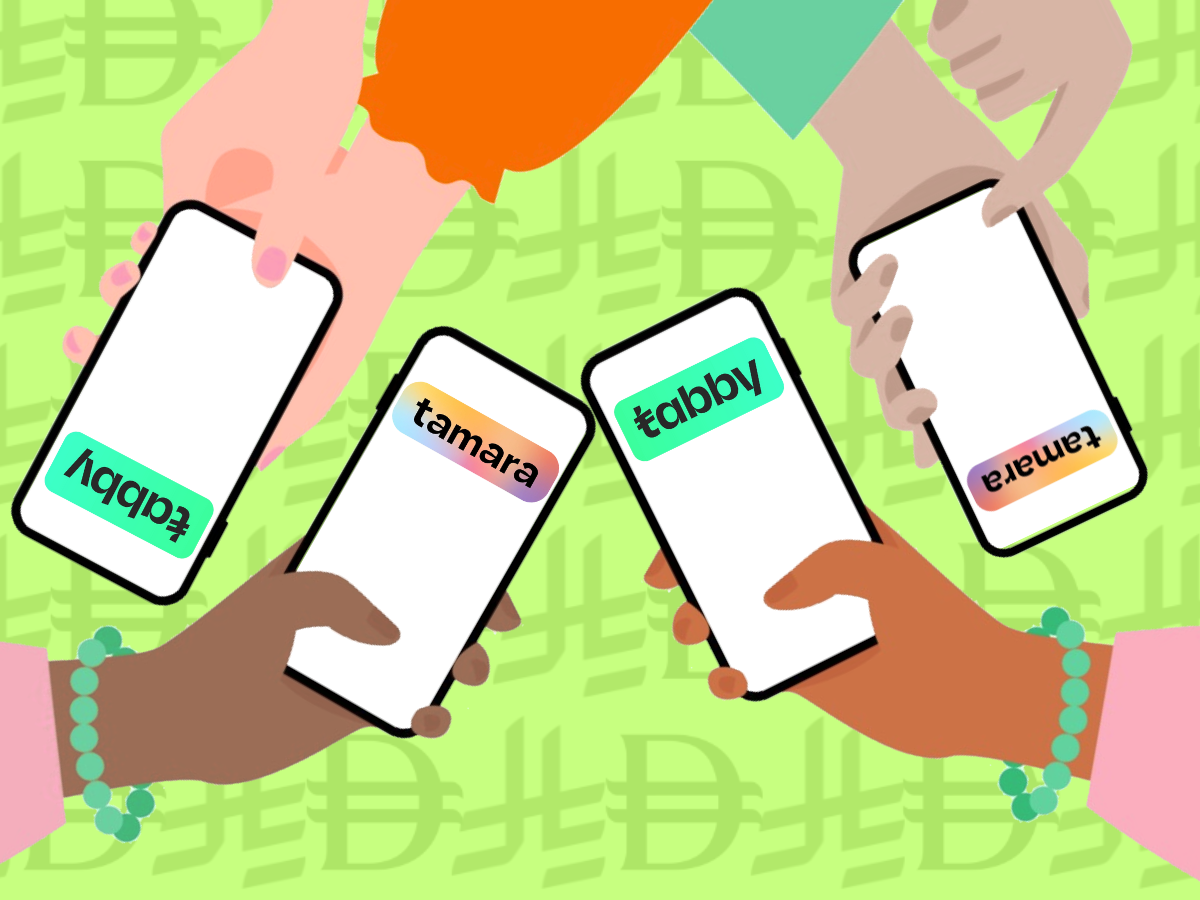
Etihad Credit Bureau will now be incorporating buy now, pay later data from two of the largest fintechs in the Mideast in credit reports.

The Rs 250 SIP was launched last year by the former SEBI chairperson with one clear goal: financial inclusion. More than a year later, the much-hyped scheme doesn’t seem to have caught on with MF investors.

The central bank’s shift to a 100% collateral requirement threatens to erode leverage, reduce volumes and force a consolidation across prop desks.
Etihad Credit Bureau will now be incorporating buy now, pay later data from two of the largest fintechs in the Mideast in credit reports.
The Rs 250 SIP was launched last year by the former SEBI chairperson with one clear goal: financial inclusion. More than a year later, the much-hyped scheme doesn’t seem to have caught on with MF investors.
The central bank’s shift to a 100% collateral requirement threatens to erode leverage, reduce volumes and force a consolidation across prop desks.