/
•
•
While the Supreme Court has given Facebook a reprieve, it is increasingly clear that India is getting shoddy treatment from the social media company.



Editor's note: In what can only be dubbed a public relations exercise ahead of the November US elections, 16 years after it was founded and 2.4 billion users later, Facebook on Monday said that it will explicitly ban any content that “denies or distorts” the Holocaust. This, after years of letting people get away with claiming that the Holocaust never happened. The Western world has hailed this as progress. A step in the right direction for a company which has long held that its platform is not the arbiter of truth, even while it has been used for the most despicable acts, many of which have ruined individual lives and democracies. A small step, but one that has folks like us wondering if we will ever see any of that change in India. On Monday, Facebook announced the appointment of Sunil Abraham as the director of public policy for data and emerging technology. Reporting to Facebook’s controversial public policy director of India and South and Central Asia, Ankhi Das, Abraham will be working on data and consumer protection, privacy, along with new …


The homegrown social startup is betting big on India’s latest content obsession—minute-long episodes of high-stakes dramas. Cut through the noise and the microdrama hype itself doesn’t add up.
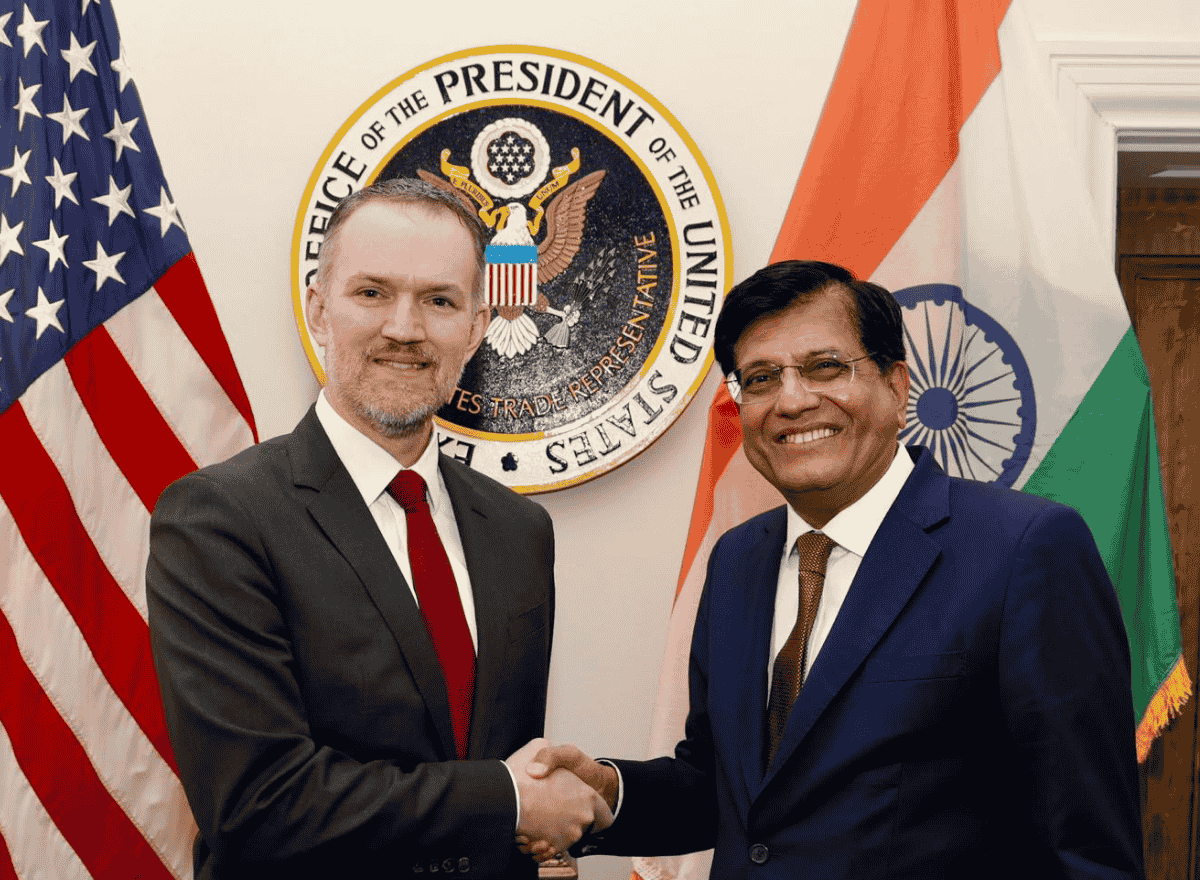
The framework reads less like an agreement between partners and more like a probation order written by the stronger side.
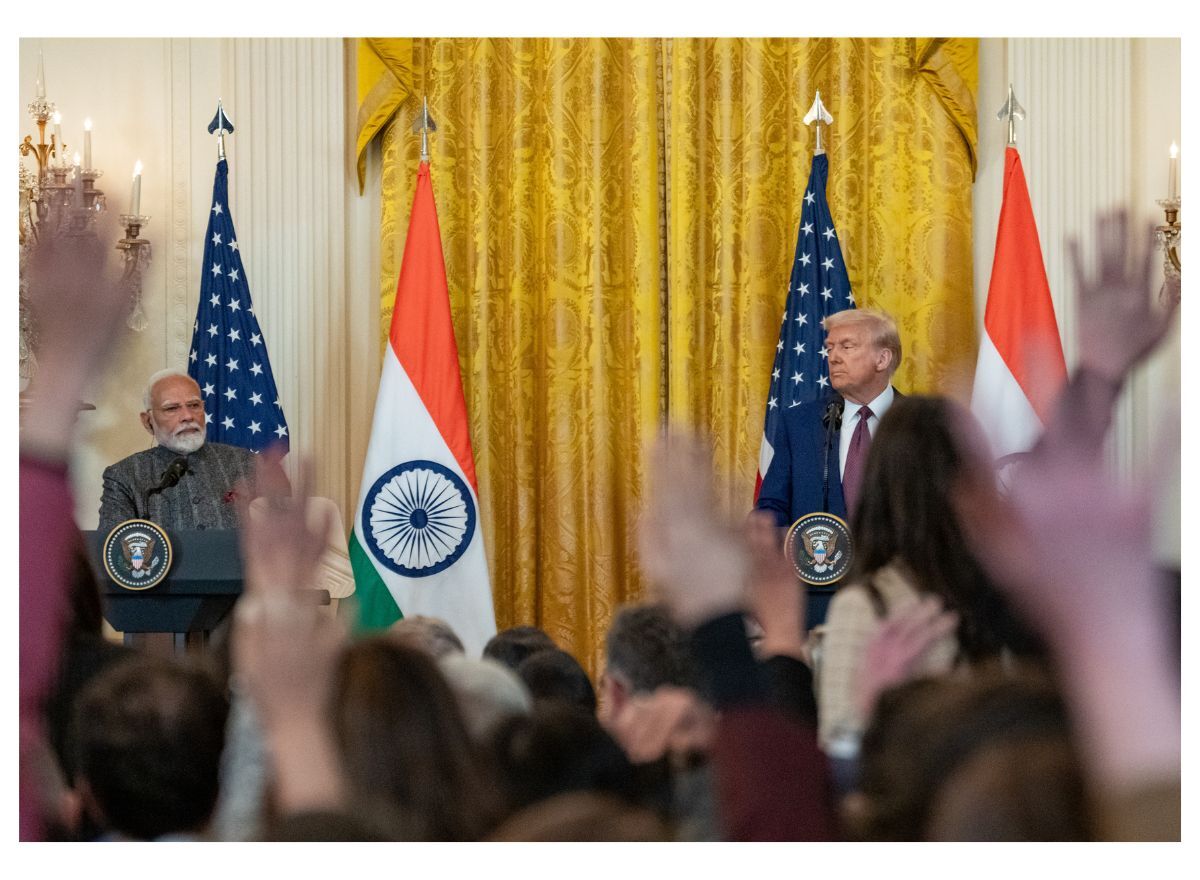
It’s never a good sign when your foreign minister needs a lobbyist to meet US officials. The recent events signal a breakdown in the Modi government’s ability to operate in today’s Washington through its own machinery.