/
•
•
Detailed stories on technology startups, business and economic current affairs.
Navi General Insurance is reeling under the weight of unstable leadership, excessive digital dependence and regulatory issues.



In February 2020, Sachin Bansal’s Navi Technologies completed the acquisition of DHFL General Insurance from the beleaguered Wadhawan group for around Rs 120 crore. It took the Flipkart co-founder months to arrive at a mutually agreeable price and to prove to the insurance regulator that he was a competent promoter, before he could walk away with his prized possession: A ready-to-launch general insurance company.
The takeover of DHFL General Insurance, renamed Navi General Insurance, was crucial to Bansal’s vision of building India’s first digitally oriented financial services conglomerate.
Set up in July 2016, DHFL General Insurance was a relatively new …
The instant house help business has become the centre of focus and investment at the home services company. But another fight may be brewing in its core business.

India’s grocery and food delivery platforms are increasingly displaying misleading images of food using artificial intelligence, defeating the very purpose of buying online.
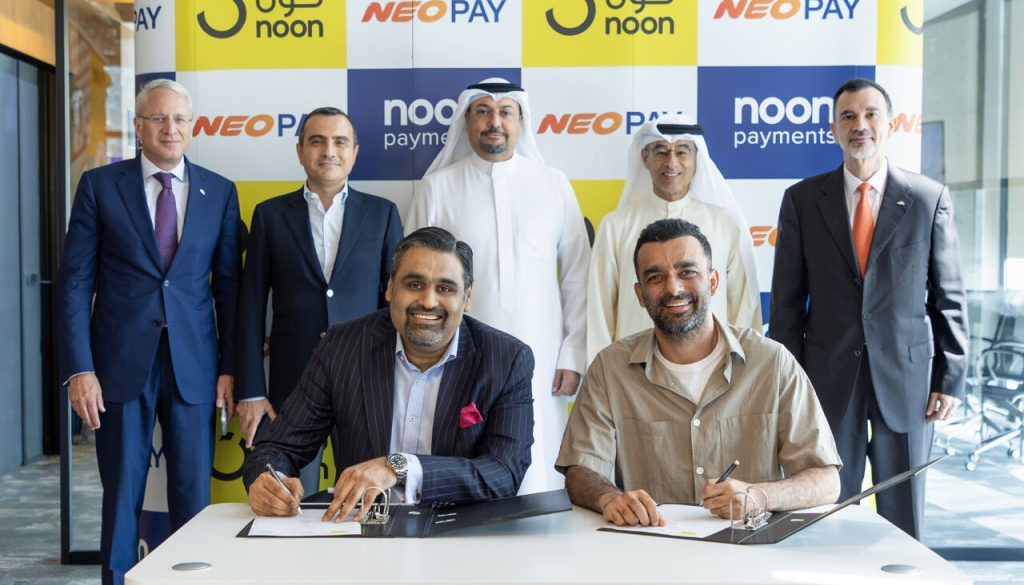
A local fintech deal to consolidate operations, feedback on Saudi Arabia’s proposed IPO rules, and Ras Al Khaimah’s casino economy.