/
•
•
Detailed stories on technology startups, business and economic current affairs.
The government of India continues to surprise with its regulation ideas for online retail. What will happen if it actually decides to implement them?




As reported by Reuters, India’s Ministry of Consumer Affairs, Food and Public Distribution, which notified the Consumer Protection (E-commerce) Rules in July 2020, has proposed amendments to the same a year later. We at The Morning Context have obtained the draft copy issued by the ministry. The amended rules are quite sweeping in both their definitions, including in their ambit the said “e-commerce entities”, as well as the best behaviour (“interests of consumer” in bureaucrat speak) that they want to hold the said entities to.
Various government entities wading into the now mature e-commerce industry is nothing new. We …
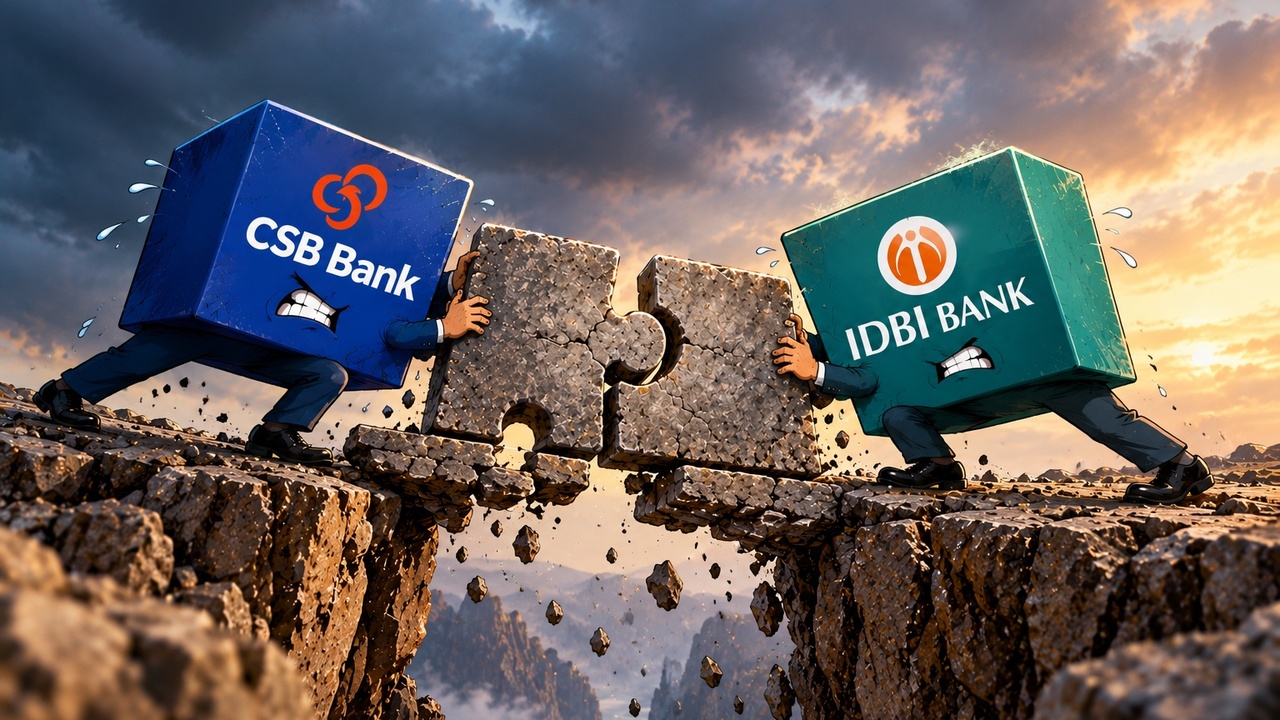
The acquisition of IDBI Bank puts his Fairfax smack dab in the middle of the RBI’s rules on bank ownership. It must now decide whether to sell CSB Bank or merge the two lenders, neither of which will be easy.

The Walmart-owned e-commerce company has entered microdramas and food delivery. Is it thinking long-term or just chasing a trend?

As the smart fan maker gears up for an IPO, prospective investors could do with some clarity on what the company’s next phase of growth will look like.