/
•
•
Detailed stories on technology startups, business and economic current affairs.
There are no happy coincidences. It is remarkable then that a career banker finds himself at the helm of cleaning up the BharatPe mess.




So far in the BharatPe saga, you’ve heard of everyone. Bad boy co-founder Ashneer Grover. The right-hand man, CEO Suhail Sameer. Not so vigilant venture capital investors suddenly awakened by a streak of activism. And a term that has been thrown around a lot—the board. The one person who has avoided a lot of attention, almost hidden in plain sight, is Rajnish Kumar.
The former chairman of State Bank of India is highly respected in banking and industry circles, having overseen the country’s largest bank during the worst banking crisis in history. It was during his tenure that the Insolvency …
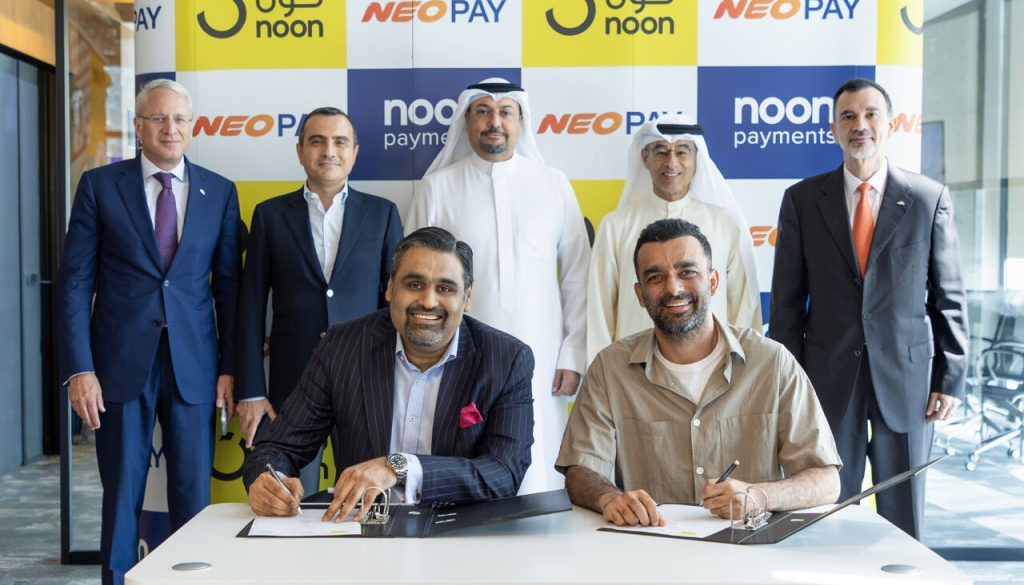
A local fintech deal to consolidate operations, feedback on Saudi Arabia’s proposed IPO rules, and Ras Al Khaimah’s casino economy.

The kingdom is moving to tighten the rules around public listings, algorithmic trading, trading in foreign securities and company disclosures—all in an effort to chase transparency.

The newly announced levy on UPI payments undermines the very foundation of using digital payments for stock market investing. Brokers are in a tizzy.