/
•
•
Detailed stories on technology startups, business and economic current affairs.
Small loan ticket size, unreliable data and a predominantly digital presence are pushing back the kiranatech startup’s efforts to monetize its business through credit.



Editor's note: There’s a sense of urgency towards monetization at Khatabook. The startup, which launched its bookkeeping software for small businesses and stores about five years ago, was in the heady years of 2020 and 2021 the darling of investors pumped up about “kiranatech”. Companies like Khatabook and rival OkCredit promised to digitize the kirana, or small neighbourhood store, through mostly free software that would displace paper ledgers, or “khata”. The hope was always that some small percentage of the user base would pay for more advanced features, while the rest would become potential customers for other services, especially business loans. On the back of this pitch, Khatabook, the market leader, raised $60 million in 2020 and then $100 million in another round the following year, which valued it at about $600 million. With the high of the COVID-19 pandemic ending and a global slowdown in venture capital funding last year, reality struck. Since barely any kiranas or small businesses pay for software—and an attempt at getting them to set up e-commerce storefronts failed—the only avenue for revenue is financial services, i.e. …

Small loan ticket size, unreliable data and a predominantly digital presence are pushing back the kiranatech startup’s efforts to monetize its business through credit.
Editor's note: There’s a sense of urgency towards monetization at Khatabook. The startup, which launched its bookkeeping software for small businesses and stores about five years ago, was in the heady years of 2020 and 2021 the darling of investors pumped up about “kiranatech”. Companies like Khatabook and rival OkCredit promised to digitize the kirana, or small neighbourhood store, through mostly free software that would displace paper ledgers, or “khata”. The hope was always that some small percentage of the user base would pay for more advanced features, while the rest would become potential customers for other services, especially business loans. On the back of this pitch, Khatabook, the market leader, raised $60 million in 2020 and then $100 million in another round the following year, which valued it at about $600 million. With the high of the COVID-19 pandemic ending and a global slowdown in venture capital funding last year, reality struck. Since barely any kiranas or small businesses pay for software—and an attempt at getting them to set up e-commerce storefronts failed—the only avenue for revenue is financial services, i.e. …

In less than two years, the instant delivery startup that puts quality above all else has attracted marquee VC investors, earning a valuation of $255 million. How far the niche bet will take it is anybody’s guess.
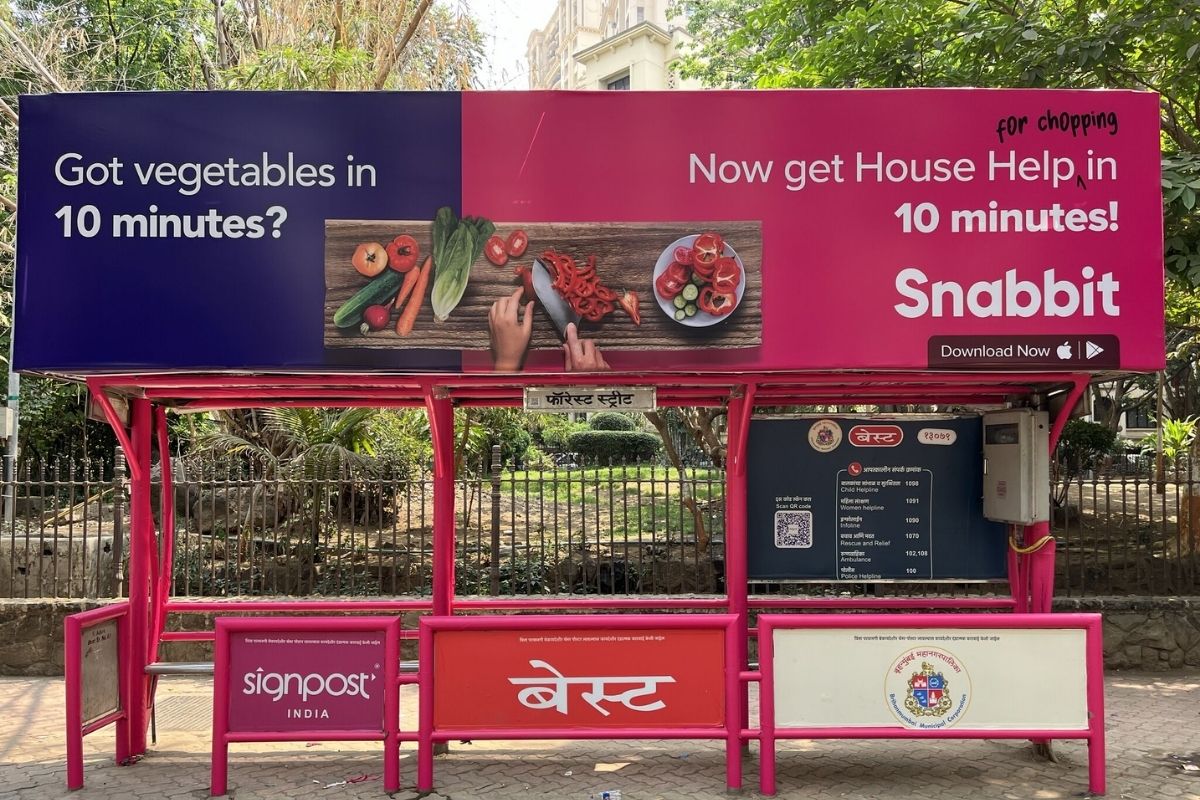
Pricing constraints and uncertain daily-use demand cast doubt on instant help’s ability to replicate quick commerce.

Its acquisition of Kirana Club signals an attempt to find a new growth engine, but grocery retail has been a challenge for even well-funded players.
In less than two years, the instant delivery startup that puts quality above all else has attracted marquee VC investors, earning a valuation of $255 million. How far the niche bet will take it is anybody’s guess.
Pricing constraints and uncertain daily-use demand cast doubt on instant help’s ability to replicate quick commerce.
Its acquisition of Kirana Club signals an attempt to find a new growth engine, but grocery retail has been a challenge for even well-funded players.