/
•
•
Detailed stories on technology startups, business and economic current affairs.
To boost the adoption of electric vehicles, the government is spending money to set up charging stations. The majority of the existing public chargers, however, don’t even work.


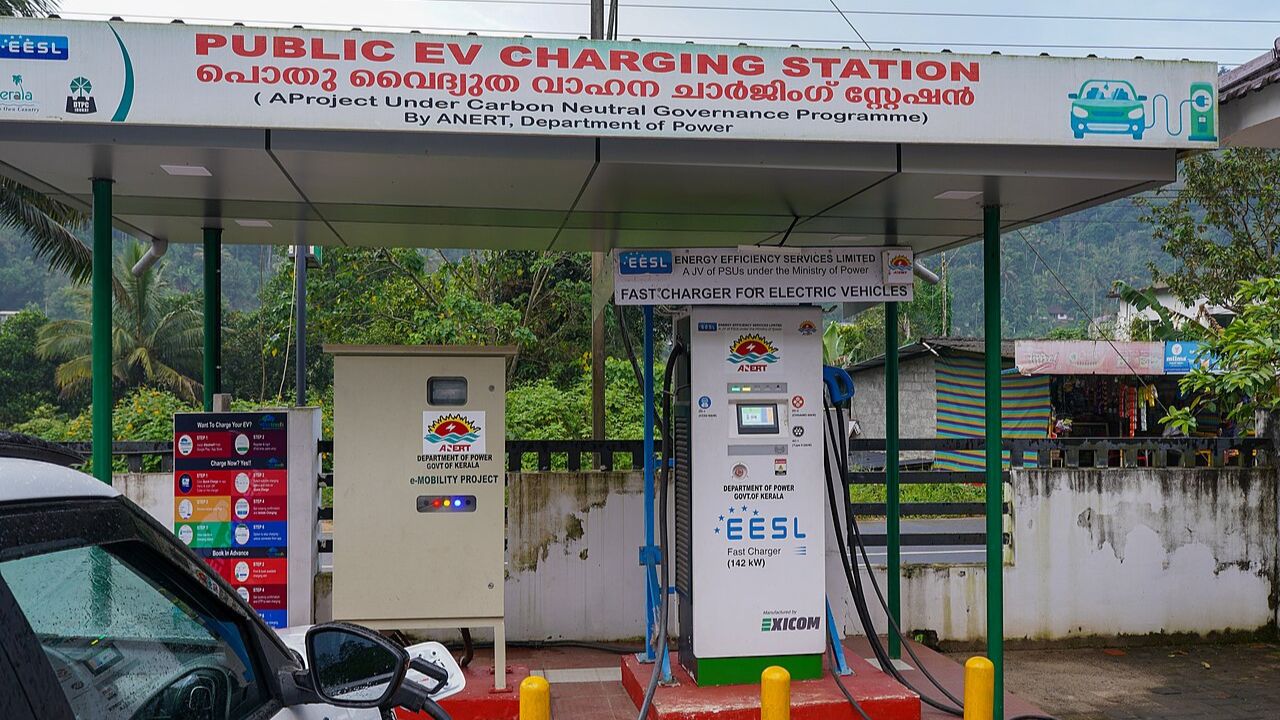

India is shelling out millions to expand the electric vehicle charging network operated by state-owned entities. Just last week, the government greenlit nearly Rs 504 crore, or $52.2 million, to set up 4,874 EV chargers. In all, a whopping Rs 2,000 crore ($207 million) has been set aside to improve the country’s public EV charging infrastructure.
The move fits right in with India’s clean mobility goals; the country wants EVs to make up 30% of total vehicle sales by the end of this decade. And chargers are the backbone of this ambition.
There’s just one problem. Most of …

The startup isn’t sure where its future lies—in electric motorcycles or the more recently announced electric scooter? Unsurprisingly, none of the products have amounted to anything so far.
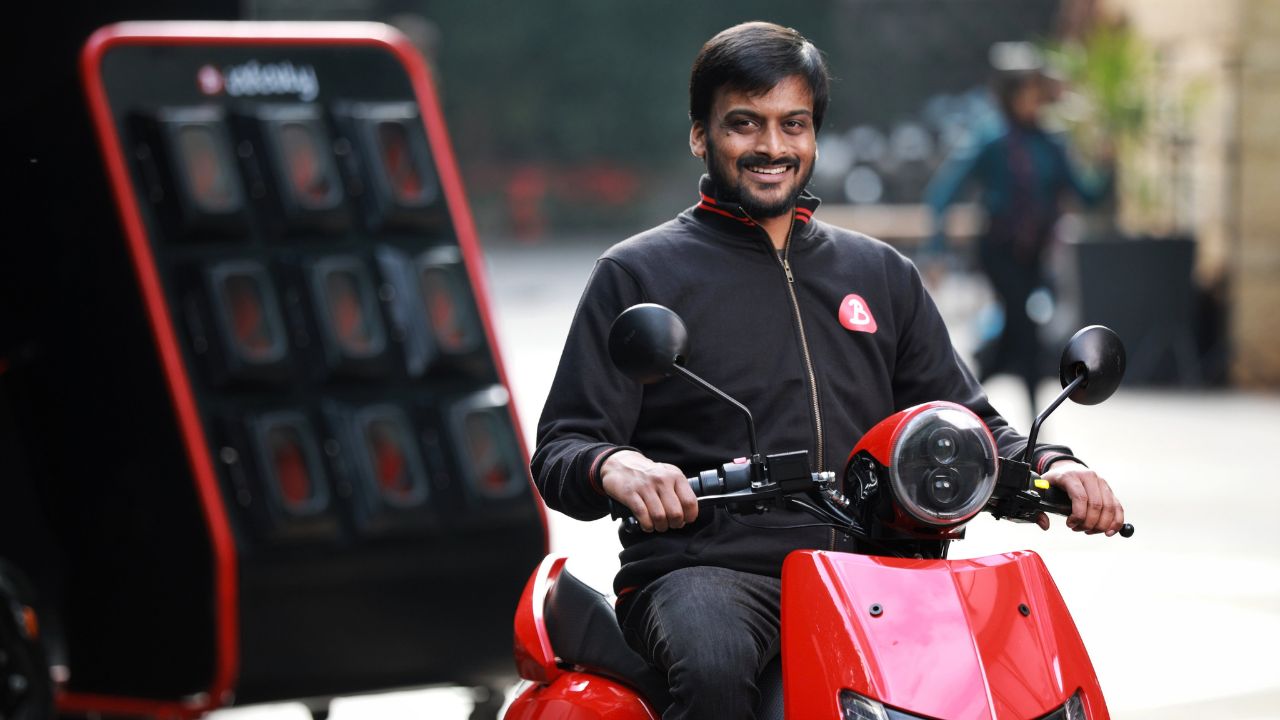
The EV maker is turning to gig-worker rentals to absorb its scooter output. But questions on cost, competition and execution make its latest pivot uncertain.

The EV maker is back for fresh capital as its businesses fail to generate enough to sustain themselves.