/
•
•
Detailed stories on technology startups, business and economic current affairs.
Bank partnerships are falling apart, raising concerns over many fintech business models in India, while regulatory scrutiny and conflicting product lines heighten the pressure.




The idea behind most of the fintech industry is to revolutionize and/or disrupt financial services as we know it, with one common target being banking.
On the flip side, though, for several types of fintech startups in India, banks are invaluable and unavoidable partners. What, then, happens if a bank decides to just walk away?
Increasingly, this has happened with larger and even mid-sized banks going easy on partnerships with neobanking fintechs—which essentially relied on banks to hold customers’ actual accounts. Now, the tussle seems to be escalating to at least a couple of card startups too.
IDFC First Bank …
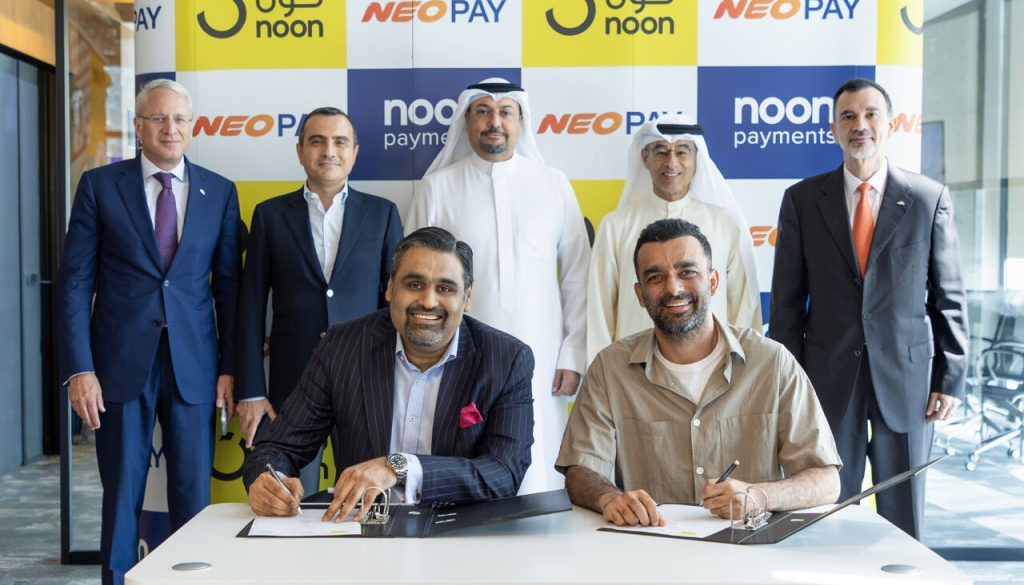
A local fintech deal to consolidate operations, feedback on Saudi Arabia’s proposed IPO rules, and Ras Al Khaimah’s casino economy.

The newly announced levy on UPI payments undermines the very foundation of using digital payments for stock market investing. Brokers are in a tizzy.

The Rs 250 SIP was launched last year by the former SEBI chairperson with one clear goal: financial inclusion. More than a year later, the much-hyped scheme doesn’t seem to have caught on with MF investors.