/
•
•
Detailed stories on technology startups, business and economic current affairs.
After multiple pivots, the vehicle-sharing marketplace is looking at an asset-light, franchise model to drive growth. Will the gambit pay off?



Editor's note: IT executive Guruprasad R does not mince words when he says he’s been duped. In early 2019, enticed by an offer on vehicle-sharing marketplace Drivezy, he bought five two-wheelers and put them up on the platform. On paper, it seemed like he was getting a great deal. The tripartite agreement between him, Drivezy and a finance partner promised a minimum guaranteed payment each month that covered his vehicle EMIs. While the vehicles were registered under Drivezy’s name, once the loan tenure of 36 months got over, he had the option of extending the partnership, selling the vehicles or taking them over for personal use. In essence, this meant that even if the bikes were idle, he’d make money. Besides, he stood to make an additional sum, based on usage of the vehicles. (Side note: From early 2016, the company began moving away from this complex ownership model to a simpler one—now anyone can list their vehicles on the platform, by paying a small commission of around Rs 500-700 per month per vehicle to the company.) For Guruprasad then, the choice …
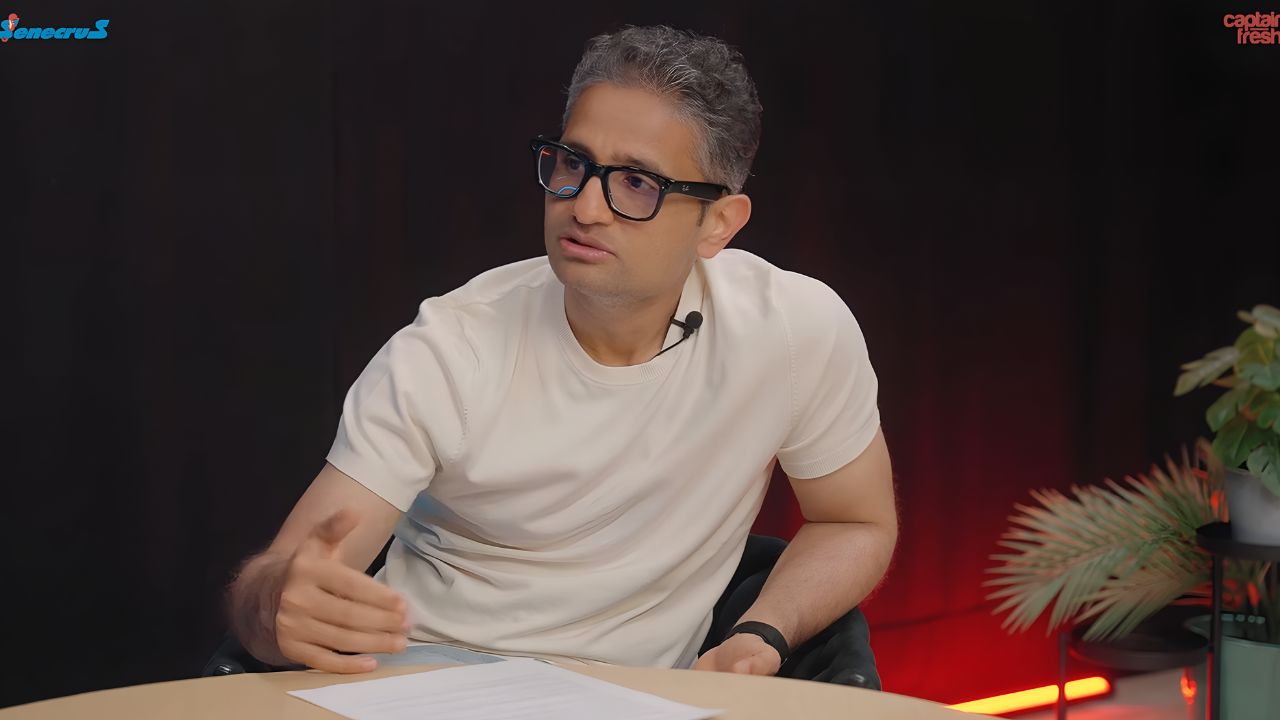
After multiple pivots, the vehicle-sharing marketplace is looking at an asset-light, franchise model to drive growth. Will the gambit pay off?
Editor's note: IT executive Guruprasad R does not mince words when he says he’s been duped. In early 2019, enticed by an offer on vehicle-sharing marketplace Drivezy, he bought five two-wheelers and put them up on the platform. On paper, it seemed like he was getting a great deal. The tripartite agreement between him, Drivezy and a finance partner promised a minimum guaranteed payment each month that covered his vehicle EMIs. While the vehicles were registered under Drivezy’s name, once the loan tenure of 36 months got over, he had the option of extending the partnership, selling the vehicles or taking them over for personal use. In essence, this meant that even if the bikes were idle, he’d make money. Besides, he stood to make an additional sum, based on usage of the vehicles. (Side note: From early 2016, the company began moving away from this complex ownership model to a simpler one—now anyone can list their vehicles on the platform, by paying a small commission of around Rs 500-700 per month per vehicle to the company.) For Guruprasad then, the choice …
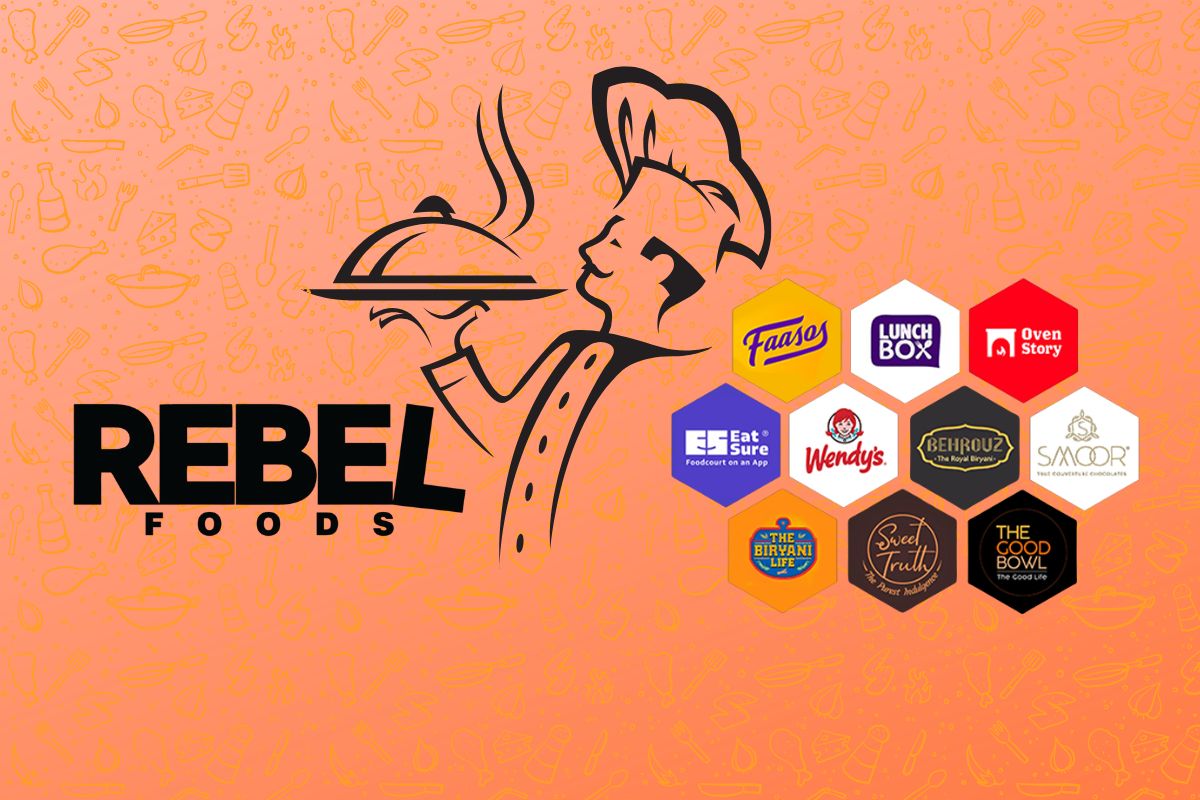
After 15 years, more than $550 million in funding and over $200 million in revenue, the cloud kitchen startup must find a way to make a profit and go public. Grover is the man Rebel has chosen for the job.
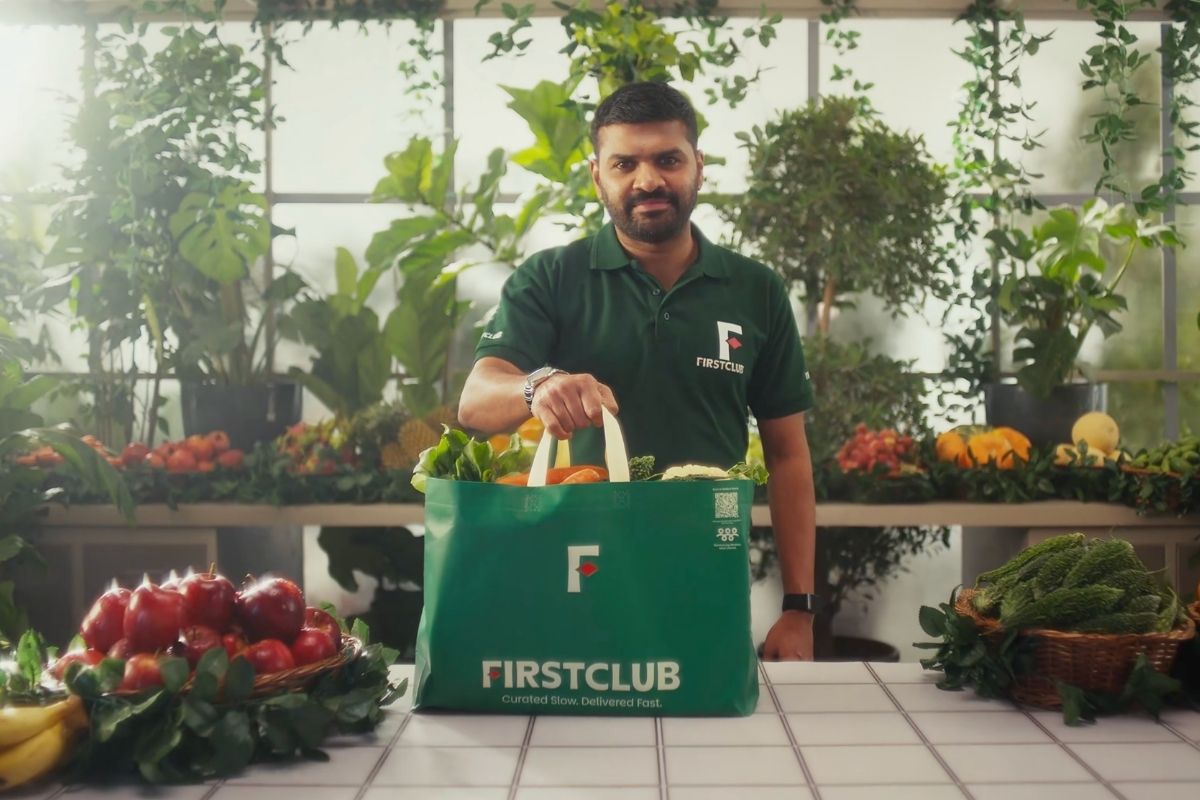
In less than two years, the instant delivery startup that puts quality above all else has attracted marquee VC investors, earning a valuation of $255 million. How far the niche bet will take it is anybody’s guess.
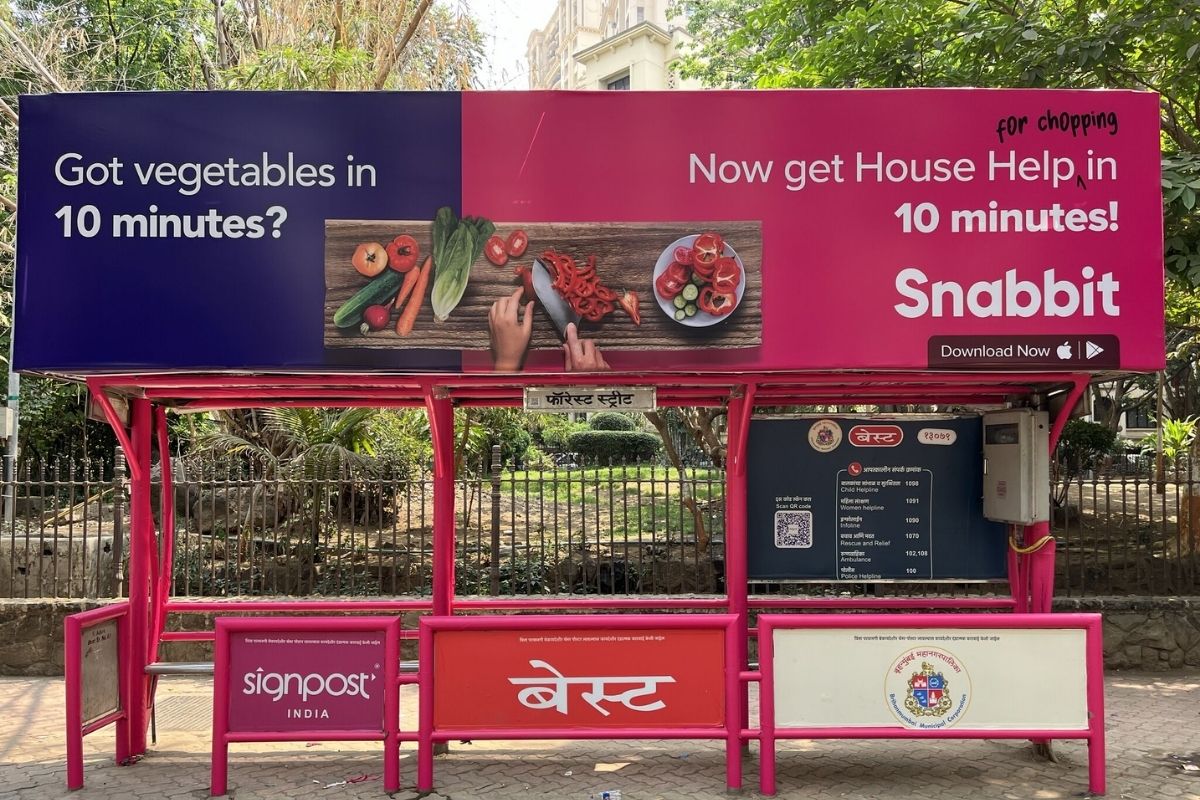
Pricing constraints and uncertain daily-use demand cast doubt on instant help’s ability to replicate quick commerce.
After 15 years, more than $550 million in funding and over $200 million in revenue, the cloud kitchen startup must find a way to make a profit and go public. Grover is the man Rebel has chosen for the job.
In less than two years, the instant delivery startup that puts quality above all else has attracted marquee VC investors, earning a valuation of $255 million. How far the niche bet will take it is anybody’s guess.
Pricing constraints and uncertain daily-use demand cast doubt on instant help’s ability to replicate quick commerce.