/
•
•
Detailed stories on technology startups, business and economic current affairs.
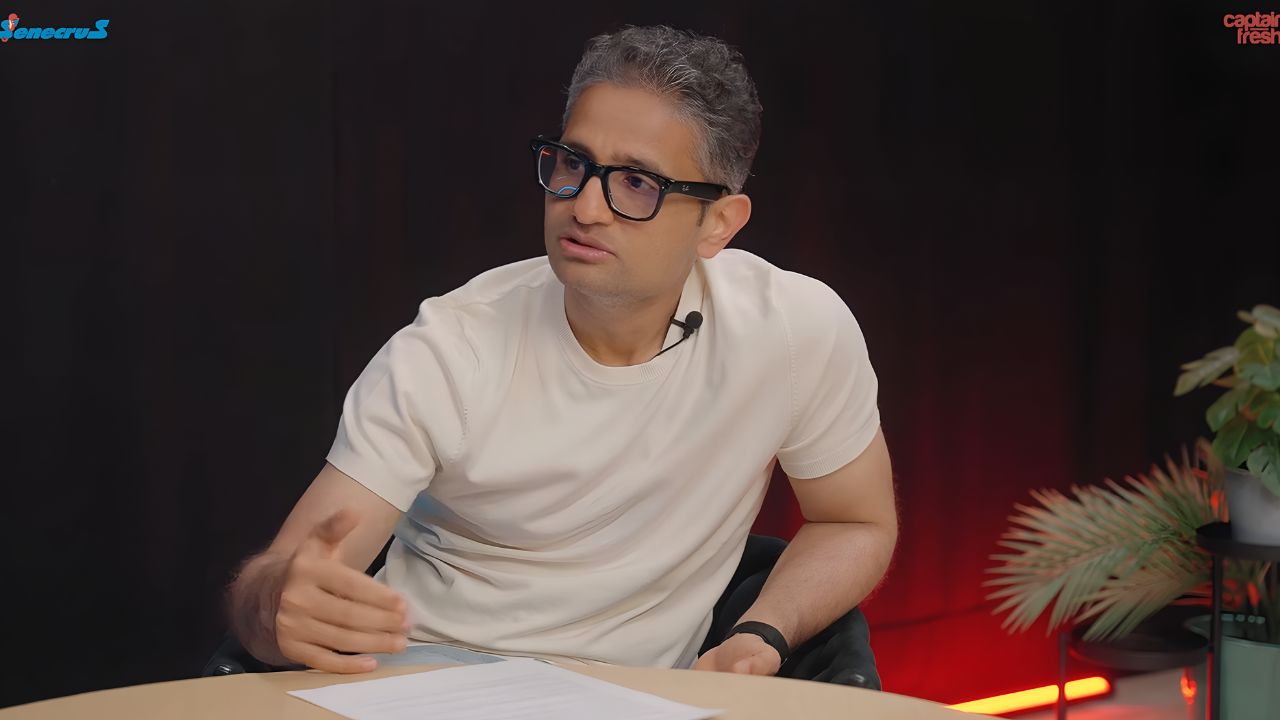
Alok Mittal, the former head of Canaan Partners in India, hates the word ‘vindication’, and prefers to put the fund’s success down to getting the basics right.



Editor's note: Late last month I wrote about Canaan Partners India and how it stands vindicated, albeit in hindsight. Four companies out of its portfolio of 15 have either gone public or are in the process of doing so; the three that have listed already are Bharat Matrimony, Happiest Minds and Equitas Small Finance Bank while the fourth, CarTrade, filed its draft prospectus for an initial public offering last month. This is what I said in the earlier piece, which if you haven’t read already, you must: Canaan Partners entered India in 2006 as an arm of the global VC fund with a mandate to invest in early-stage internet startups. Over the years, Canaan invested close to $150 million in about 15 startups. By 2014 and thereabouts, though, after eight years of playing in India, the global team started evaluating whether the Indian market was really worth their effort and money. Their frustration stemmed from the lack of exits. From a 2014 point of view, things didn’t look good. While startup valuations were skyrocketing, business models and founder ethics were seriously questionable. …
Alok Mittal, the former head of Canaan Partners in India, hates the word ‘vindication’, and prefers to put the fund’s success down to getting the basics right.
Editor's note: Late last month I wrote about Canaan Partners India and how it stands vindicated, albeit in hindsight. Four companies out of its portfolio of 15 have either gone public or are in the process of doing so; the three that have listed already are Bharat Matrimony, Happiest Minds and Equitas Small Finance Bank while the fourth, CarTrade, filed its draft prospectus for an initial public offering last month. This is what I said in the earlier piece, which if you haven’t read already, you must: Canaan Partners entered India in 2006 as an arm of the global VC fund with a mandate to invest in early-stage internet startups. Over the years, Canaan invested close to $150 million in about 15 startups. By 2014 and thereabouts, though, after eight years of playing in India, the global team started evaluating whether the Indian market was really worth their effort and money. Their frustration stemmed from the lack of exits. From a 2014 point of view, things didn’t look good. While startup valuations were skyrocketing, business models and founder ethics were seriously questionable. …

After 15 years, more than $550 million in funding and over $200 million in revenue, the cloud kitchen startup must find a way to make a profit and go public. Grover is the man Rebel has chosen for the job.

In less than two years, the instant delivery startup that puts quality above all else has attracted marquee VC investors, earning a valuation of $255 million. How far the niche bet will take it is anybody’s guess.
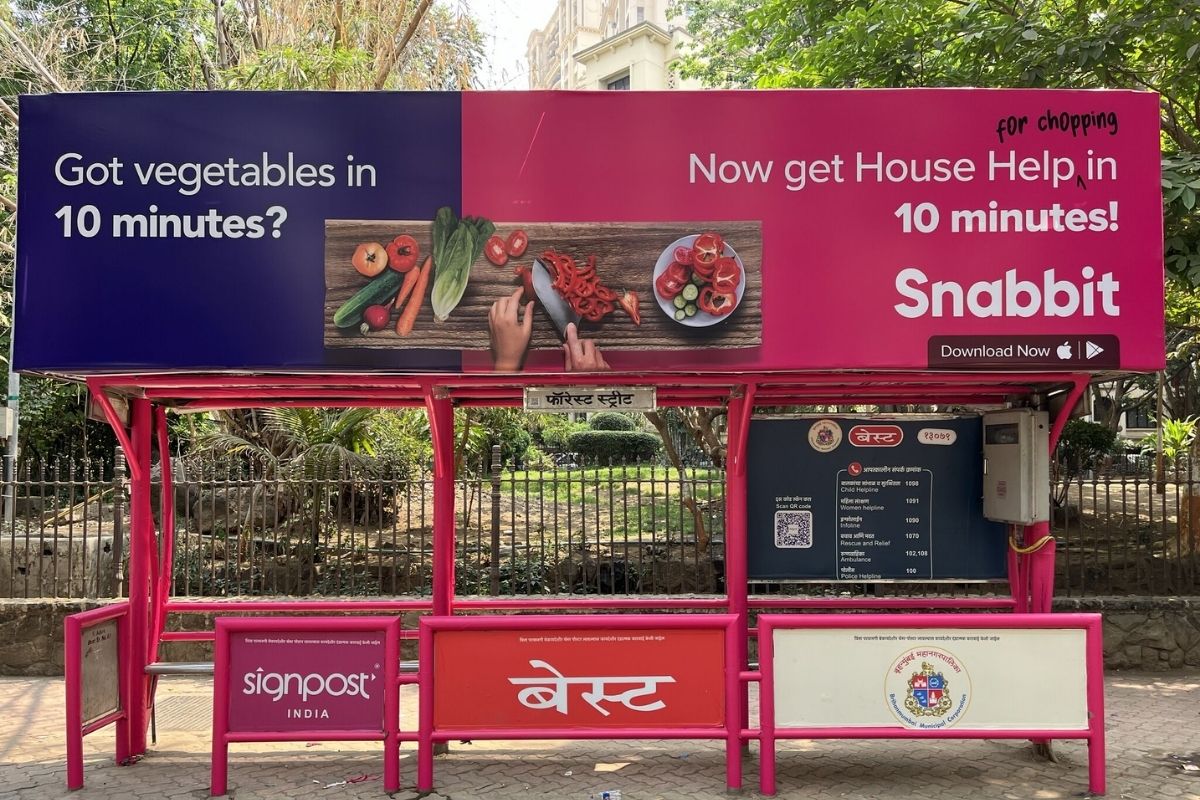
Pricing constraints and uncertain daily-use demand cast doubt on instant help’s ability to replicate quick commerce.
After 15 years, more than $550 million in funding and over $200 million in revenue, the cloud kitchen startup must find a way to make a profit and go public. Grover is the man Rebel has chosen for the job.
In less than two years, the instant delivery startup that puts quality above all else has attracted marquee VC investors, earning a valuation of $255 million. How far the niche bet will take it is anybody’s guess.
Pricing constraints and uncertain daily-use demand cast doubt on instant help’s ability to replicate quick commerce.