/
•
•
Detailed stories on technology startups, business and economic current affairs.
Reading books has a way of stimulating social imagination. Science fiction does this in a very specific way—it anchors the aspirations of a class of founders, corporate leaders, inventors and futurists.



Editor's note: “Science-fiction novelist is the highest impact job-position in the tech industry.” —Tweet by a Google employee, quoted in an a16z podcast with the science fiction author Neal Stephenson, who coined the term “metaverse” over 30 years ago in Snow Crash. In October 1945, the science fiction writer, futurist and inventor Arthur C. Clarke published an article in Wireless World magazine linking ideas from orbital mechanics, recent advances in rocket technologies and wireless communication to suggest a set of “space stations” in geosynchronous orbit that could broadcast radio signals to any point on the globe. Less than 20 years later, when NASA put the Syncom satellites into orbit around Earth, Clarke’s fantasy became a reality. For a generation of businesspeople and entrepreneurs, particularly in America, science fiction both predicted and fuelled ever grander and imaginative ambitions—from bionic limbs to chip implants in the brain to autonomous cars and wireless headphones, many innovations taken for granted today were first theorized in fiction before they were realized in an engineering lab. Steve Jobs frequently referred to Star Trek during Apple product launches. Jeff …
Reading books has a way of stimulating social imagination. Science fiction does this in a very specific way—it anchors the aspirations of a class of founders, corporate leaders, inventors and futurists.
Editor's note: “Science-fiction novelist is the highest impact job-position in the tech industry.” —Tweet by a Google employee, quoted in an a16z podcast with the science fiction author Neal Stephenson, who coined the term “metaverse” over 30 years ago in Snow Crash. In October 1945, the science fiction writer, futurist and inventor Arthur C. Clarke published an article in Wireless World magazine linking ideas from orbital mechanics, recent advances in rocket technologies and wireless communication to suggest a set of “space stations” in geosynchronous orbit that could broadcast radio signals to any point on the globe. Less than 20 years later, when NASA put the Syncom satellites into orbit around Earth, Clarke’s fantasy became a reality. For a generation of businesspeople and entrepreneurs, particularly in America, science fiction both predicted and fuelled ever grander and imaginative ambitions—from bionic limbs to chip implants in the brain to autonomous cars and wireless headphones, many innovations taken for granted today were first theorized in fiction before they were realized in an engineering lab. Steve Jobs frequently referred to Star Trek during Apple product launches. Jeff …
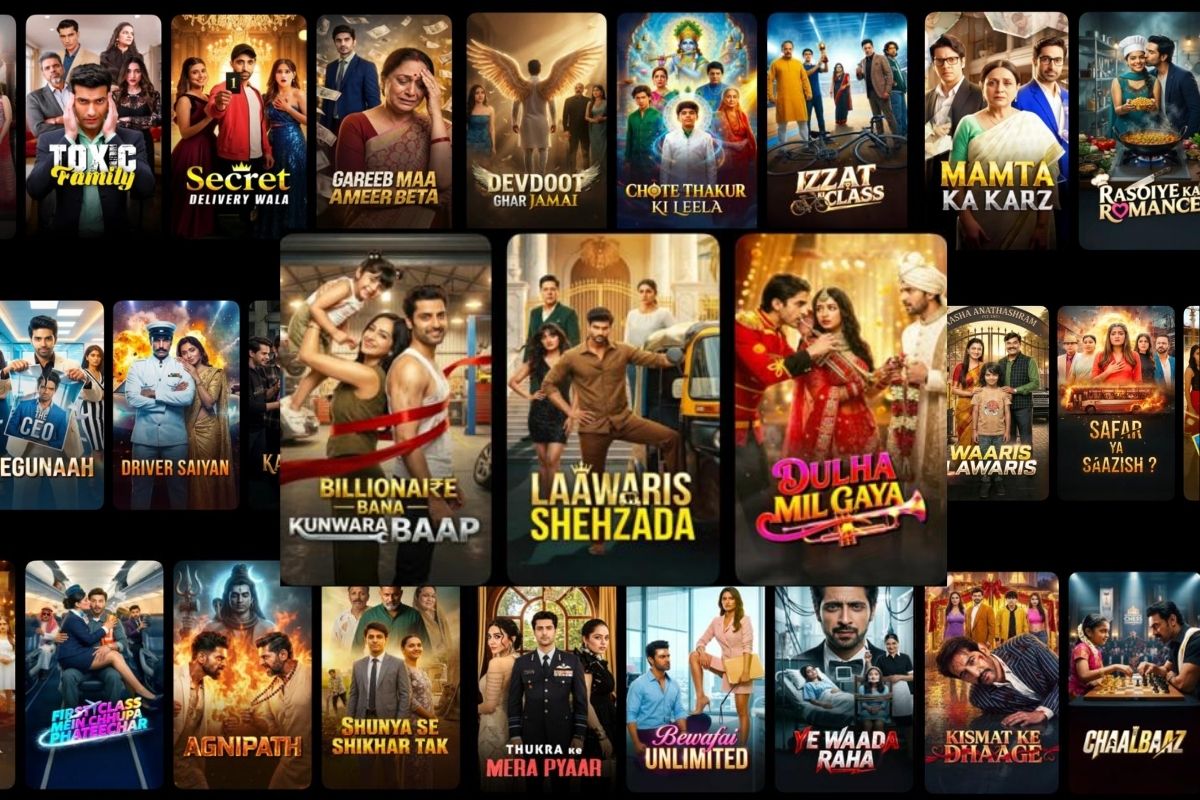
The homegrown social startup is betting big on India’s latest content obsession—minute-long episodes of high-stakes dramas. Cut through the noise and the microdrama hype itself doesn’t add up.
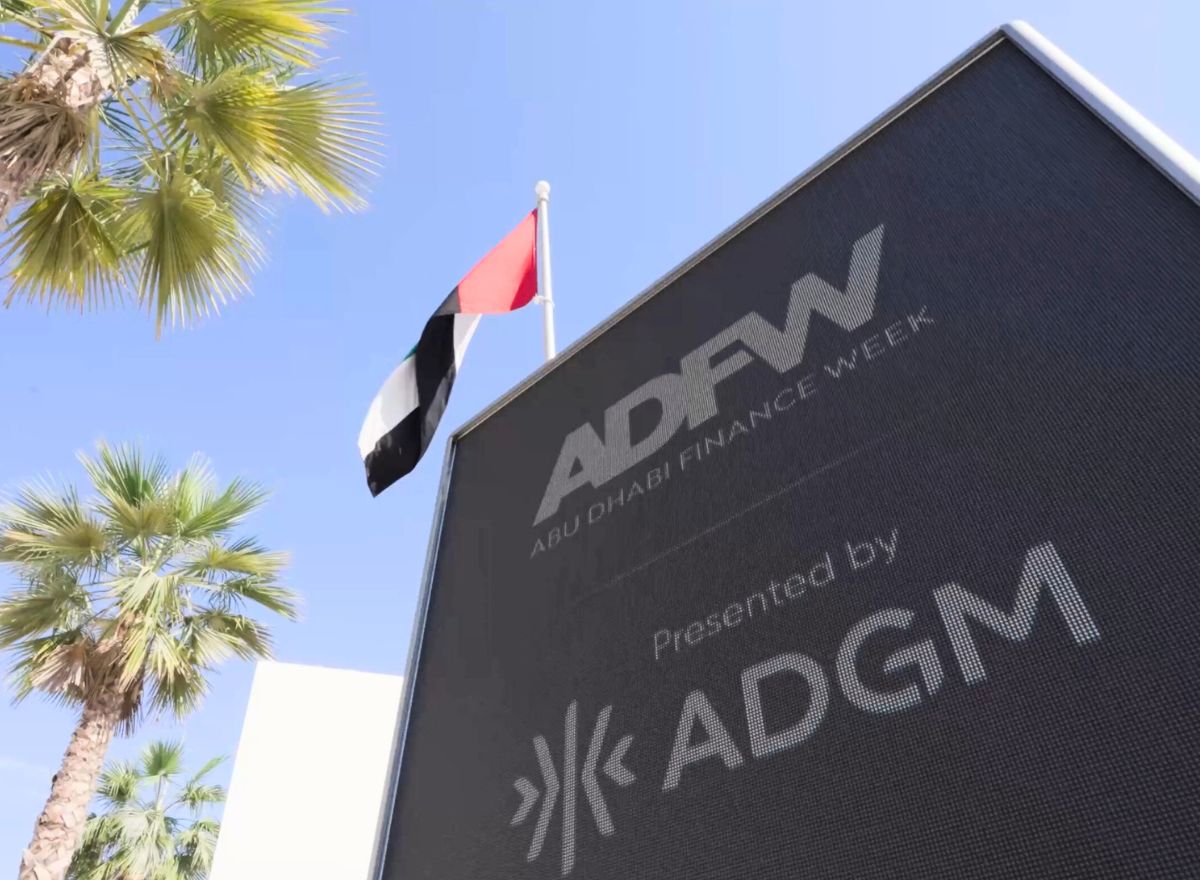
Highlights from Abu Dhabi Finance Week, Qatar’s new (and bolder) AI ambition and the bid for Warner Bros. Discovery.
Indians who are among the world’s largest consumers of free tech products and also significant beneficiaries of free markets suffer from a poor understanding of both technology and accountability. Separately, Aamir Khan breaks a paradigm with a YouTube release.
The homegrown social startup is betting big on India’s latest content obsession—minute-long episodes of high-stakes dramas. Cut through the noise and the microdrama hype itself doesn’t add up.
Highlights from Abu Dhabi Finance Week, Qatar’s new (and bolder) AI ambition and the bid for Warner Bros. Discovery.
Indians who are among the world’s largest consumers of free tech products and also significant beneficiaries of free markets suffer from a poor understanding of both technology and accountability. Separately, Aamir Khan breaks a paradigm with a YouTube release.