/
•
•
Detailed stories on technology startups, business and economic current affairs.
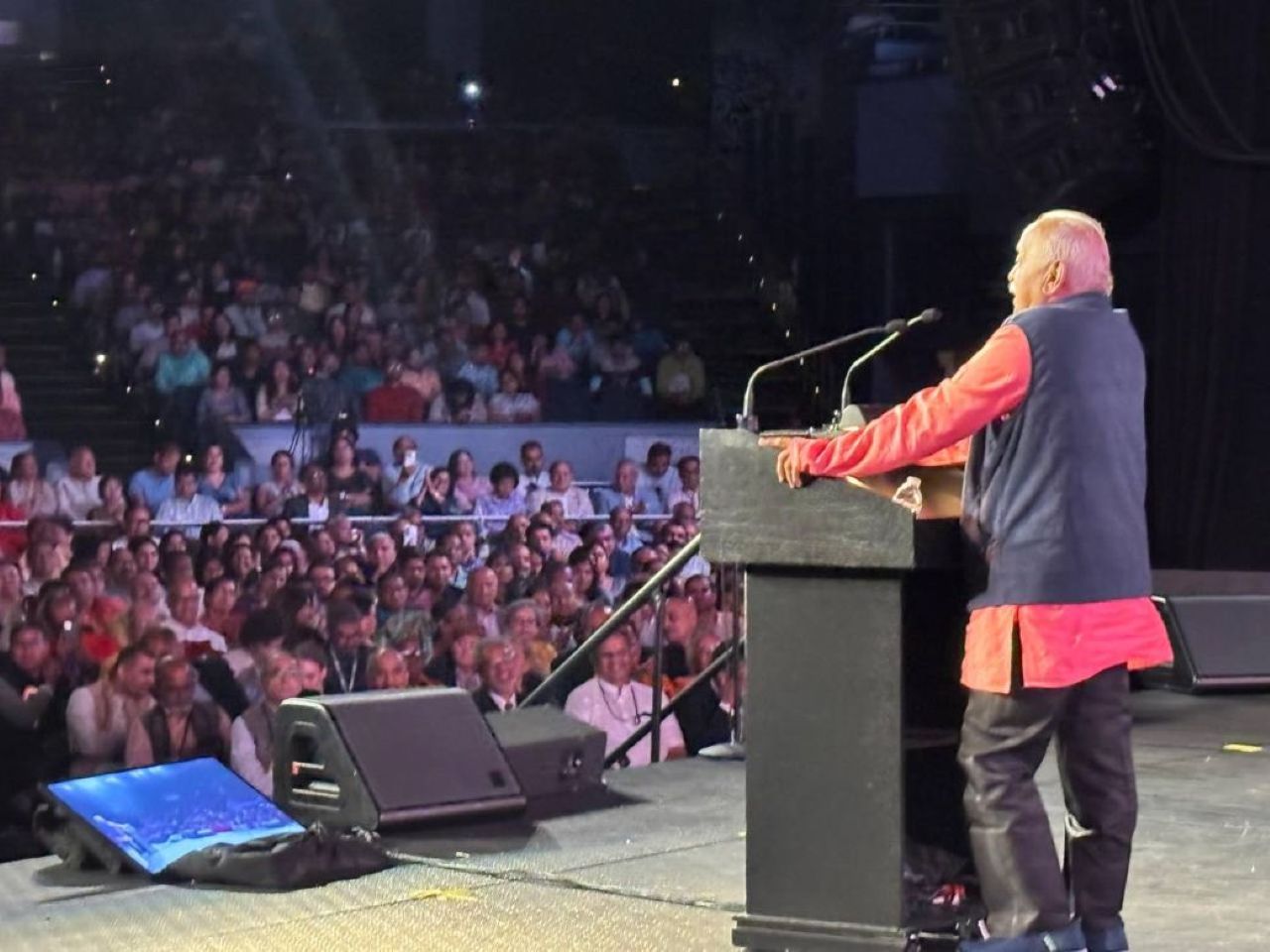
The reasons for the change in India’s stance towards the Taliban are all tactical. In the absence of strategic engagement, they raise serious questions about New Delhi’s long-term goals.



Editor's note: Such is the state of poverty and hunger in Afghanistan that parents are giving their hungry children tranquilizers and sleeping pills to help them sleep. In their desperate quest for survival, others have sold their daughters and their own organs, the BBC reported last month. The country is in the grip of a full-blown humanitarian crisis in the second winter since the Taliban took over following the sudden exit of US-led NATO forces. The Indian government’s claim, first made last year as it engaged with the Taliban, that it is providing humanitarian assistance to the Afghan people thus makes sense. The Indian government has so far sent 50 tonnes of medical aid and 40,000 tonnes of wheat to the country, handing the aid consignments over to the Indira Gandhi Children’s Hospital in Kabul, the Afghan Red Crescent Society and other specialized United Nations agencies including World Food Programme and UN Office for the Coordination of Humanitarian Affairs. India also dispatched 28 tonnes of emergency relief assistance after a 5.9-magnitude earthquake hit Afghanistan in June. More significantly, an Indian Air Force …
The reasons for the change in India’s stance towards the Taliban are all tactical. In the absence of strategic engagement, they raise serious questions about New Delhi’s long-term goals.
Editor's note: Such is the state of poverty and hunger in Afghanistan that parents are giving their hungry children tranquilizers and sleeping pills to help them sleep. In their desperate quest for survival, others have sold their daughters and their own organs, the BBC reported last month. The country is in the grip of a full-blown humanitarian crisis in the second winter since the Taliban took over following the sudden exit of US-led NATO forces. The Indian government’s claim, first made last year as it engaged with the Taliban, that it is providing humanitarian assistance to the Afghan people thus makes sense. The Indian government has so far sent 50 tonnes of medical aid and 40,000 tonnes of wheat to the country, handing the aid consignments over to the Indira Gandhi Children’s Hospital in Kabul, the Afghan Red Crescent Society and other specialized United Nations agencies including World Food Programme and UN Office for the Coordination of Humanitarian Affairs. India also dispatched 28 tonnes of emergency relief assistance after a 5.9-magnitude earthquake hit Afghanistan in June. More significantly, an Indian Air Force …

Big AI moves in the Middle East this week, Saudi Arabia-backed LIV Golf files for bankruptcy and other updates.

Elon Musk’s satellite internet promises a new way to get online. How will it coexist with the country's telecom giants?

Former WeWork chief is betting on the Mideast markets, fresh attacks have the Gulf on edge again, and other updates from this week.
Big AI moves in the Middle East this week, Saudi Arabia-backed LIV Golf files for bankruptcy and other updates.
Elon Musk’s satellite internet promises a new way to get online. How will it coexist with the country's telecom giants?
Former WeWork chief is betting on the Mideast markets, fresh attacks have the Gulf on edge again, and other updates from this week.