/
•
•
Detailed stories on technology startups, business and economic current affairs.
Five people across the worst-hit sectors – theatres, events, hospitality, aviation, and salon services − on what ‘back to business’ means for them



Editor's note: Inorbit Mall stands desolate, in a continuum where the indoors hum with life and the outdoors hum with silence. Three visibly bored security personnel at its entrance look on at Link Road, an arterial thoroughfare in the Mumbai suburb of Malad. There are flickers of activity here: the odd personal vehicle, fleet cab and autorickshaw, and migrant workers, with face masks drenched by the mugginess of June, still building the Mumbai metro despite the cold shoulder India as a whole has given them. A back road leading to Inorbit Mall from HyperCITY—the nearby supermarket, also desolate—was once closed to the public. But that was before 23 March 2020. It’s now the only pedestrian route to the mall. The security personnel rise, conduct the mandated temperature and contactless bag checks, and let one in. On the left wall, flanked by trophies and emblazoned in Italian marble, is a nine-letter word undone by its current surroundings: “Mumbuykar”. The only operational store here is Nature’s Basket. Everything else across the mall’s 500,000 square feet is a ghost of retail past. There is a …
Five people across the worst-hit sectors – theatres, events, hospitality, aviation, and salon services − on what ‘back to business’ means for them
Editor's note: Inorbit Mall stands desolate, in a continuum where the indoors hum with life and the outdoors hum with silence. Three visibly bored security personnel at its entrance look on at Link Road, an arterial thoroughfare in the Mumbai suburb of Malad. There are flickers of activity here: the odd personal vehicle, fleet cab and autorickshaw, and migrant workers, with face masks drenched by the mugginess of June, still building the Mumbai metro despite the cold shoulder India as a whole has given them. A back road leading to Inorbit Mall from HyperCITY—the nearby supermarket, also desolate—was once closed to the public. But that was before 23 March 2020. It’s now the only pedestrian route to the mall. The security personnel rise, conduct the mandated temperature and contactless bag checks, and let one in. On the left wall, flanked by trophies and emblazoned in Italian marble, is a nine-letter word undone by its current surroundings: “Mumbuykar”. The only operational store here is Nature’s Basket. Everything else across the mall’s 500,000 square feet is a ghost of retail past. There is a …
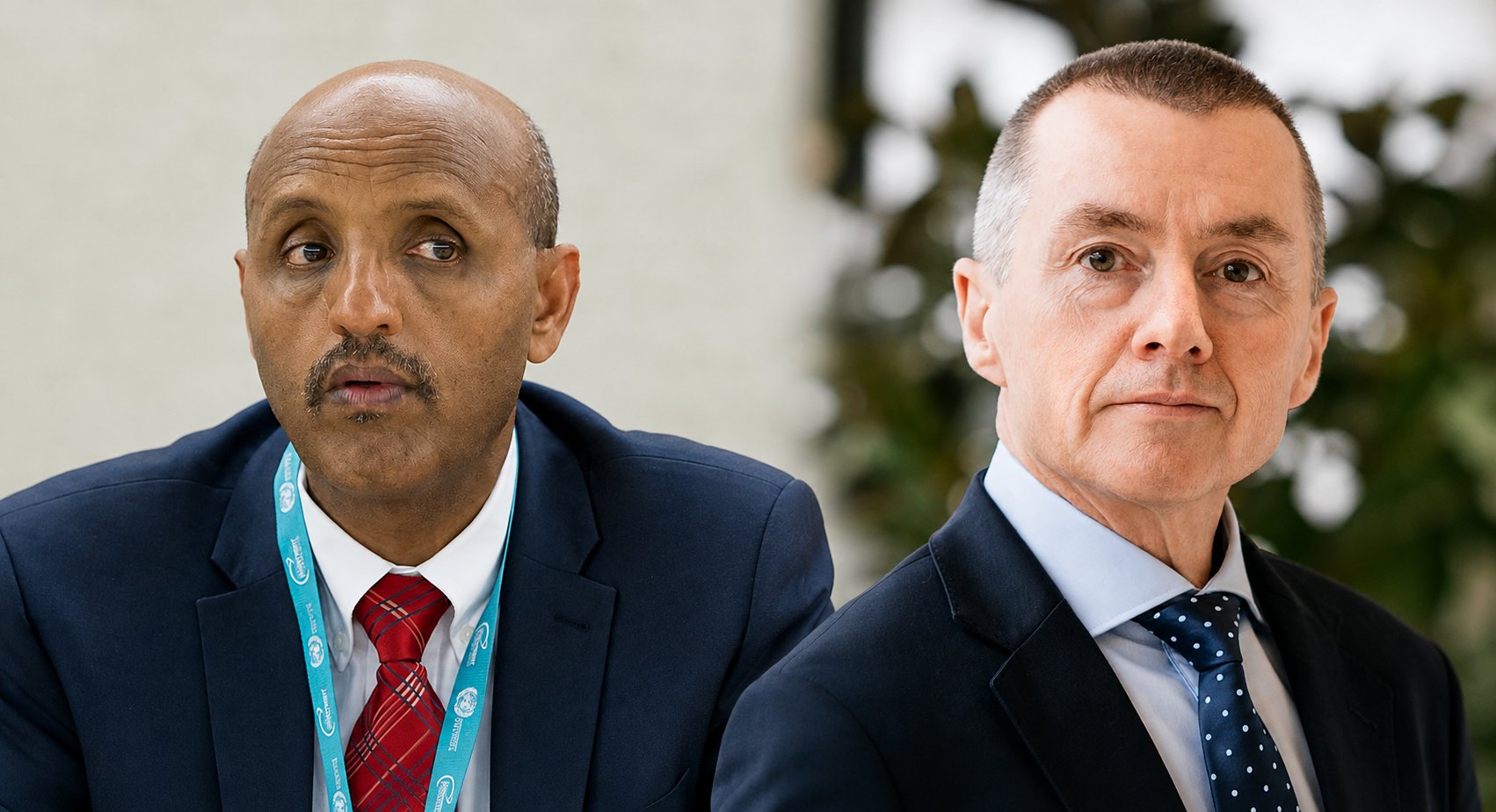
The two new chief executives at Air India and IndiGo come with contrasting reputations but face the same challenge—do their predecessors one better.
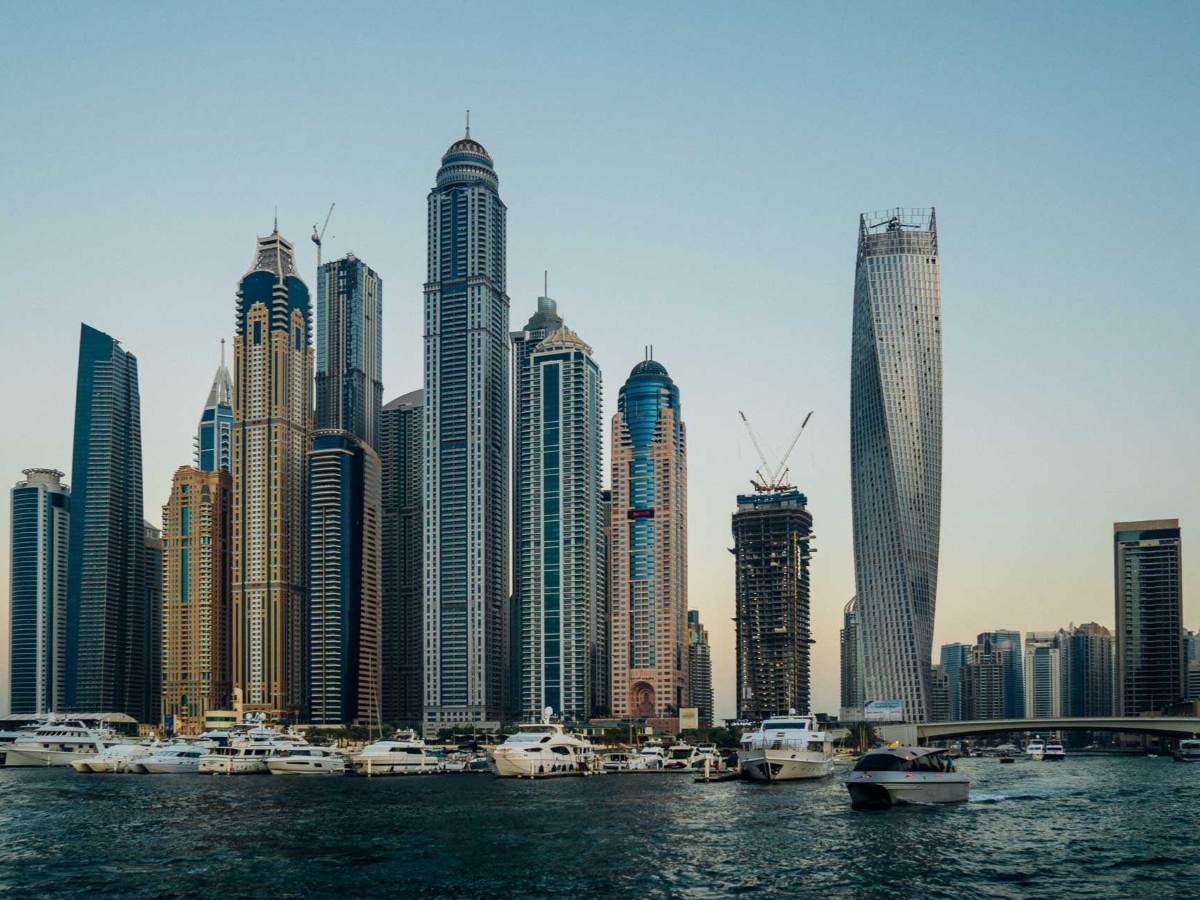
Peace talks bring relief to the Emirates, but there’s still a ways to go before full-scale recovery.
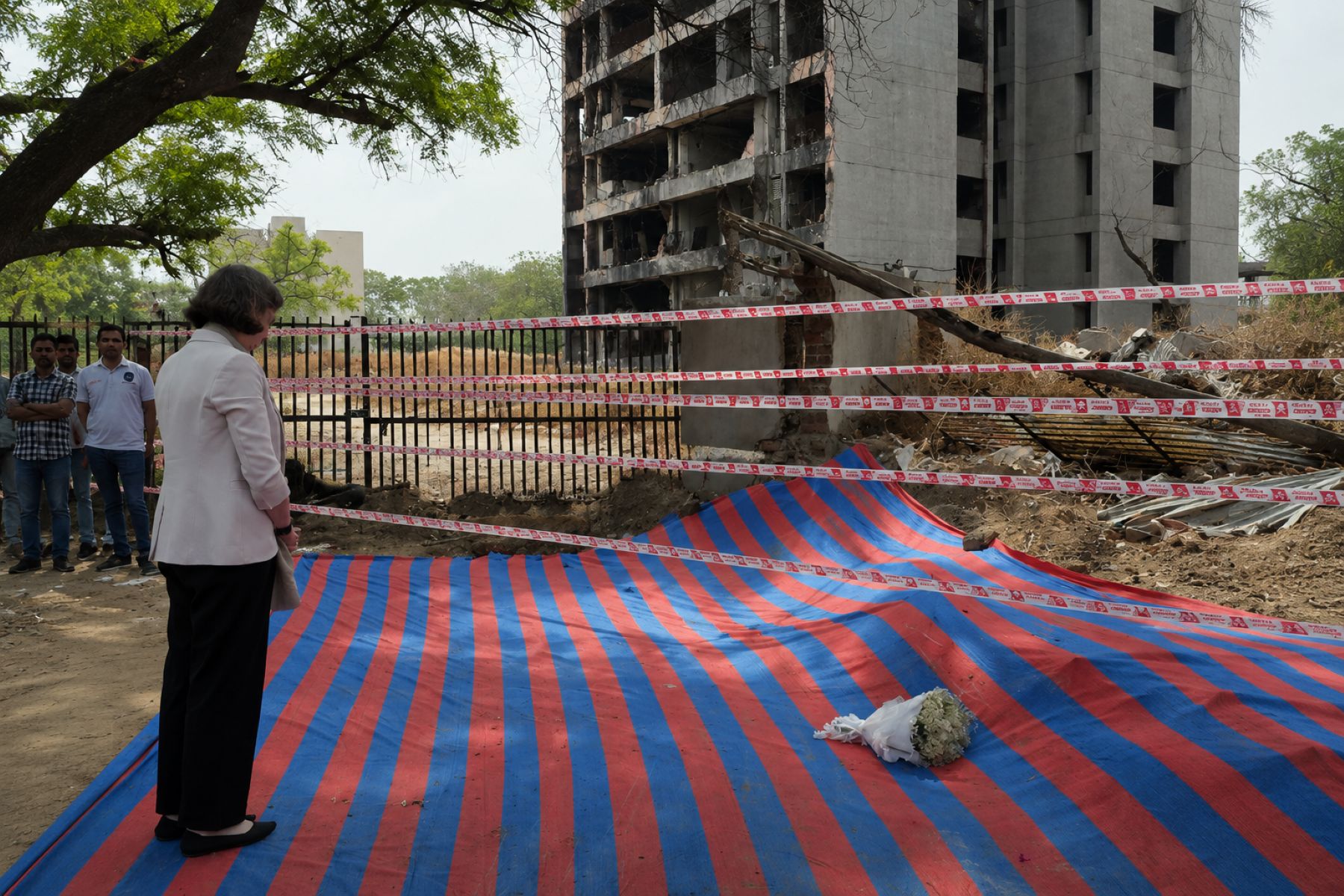
The Tata Group’s silence and absence from Ahmedabad on the first anniversary of India’s worst air disaster risks putting a dent in its much-vaunted value system.
The two new chief executives at Air India and IndiGo come with contrasting reputations but face the same challenge—do their predecessors one better.
Peace talks bring relief to the Emirates, but there’s still a ways to go before full-scale recovery.
The Tata Group’s silence and absence from Ahmedabad on the first anniversary of India’s worst air disaster risks putting a dent in its much-vaunted value system.