/
•
•
Detailed stories on technology startups, business and economic current affairs.
The Information and Broadcasting ministry and the Intelligence Bureau were in favour of enacting a law to regulate online content. Yet, the government opted for a shortcut, choosing to tinker with the rules instead.



Editor's note: The central government has insisted on multiple occasions in recent months that it drafted and issued the controversial IT Rules 2021, which provide a detailed mechanism for regulating online content of various kinds, based on its existing powers under the Information Technology Act, 2000. But it is now clear that both the Ministry of Information and Broadcasting and the Intelligence Bureau stated in official documents that there is no specific law in India that empowered the central government to regulate online content. In fact, in the second half of 2020, both separately sought the enactment of a new law for regulating online content. Though it subsequently made an about-turn from this position, the I&B ministry even prepared a draft cabinet note in early July last year stating, among other things, that the IT Act 2000 is not primarily meant to regulate content on electronic devices, so a new law is needed for this purpose. The IB, on its part, did not find the IT Act adequate to regulate online content and was in favour of a “statute-backed regulatory framework” for …


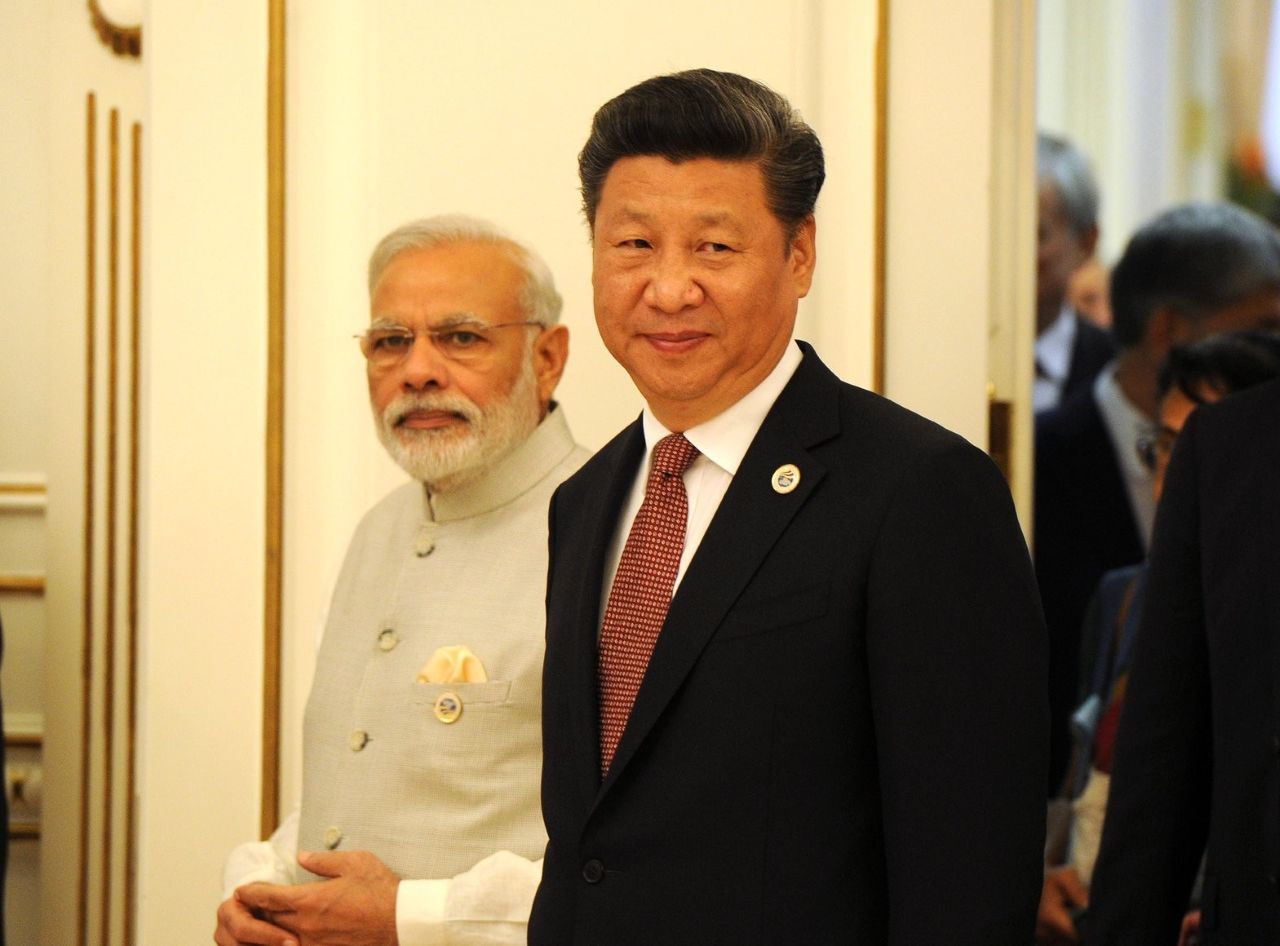
Chinese diplomats to India are saying all the right things for Indian ears, but Beijing’s policy actions are moving in the opposite direction.

The country's fighter jet roadmap rests on imported propulsion, leaving its military plans hostage to cost shocks, delays and geopolitics.
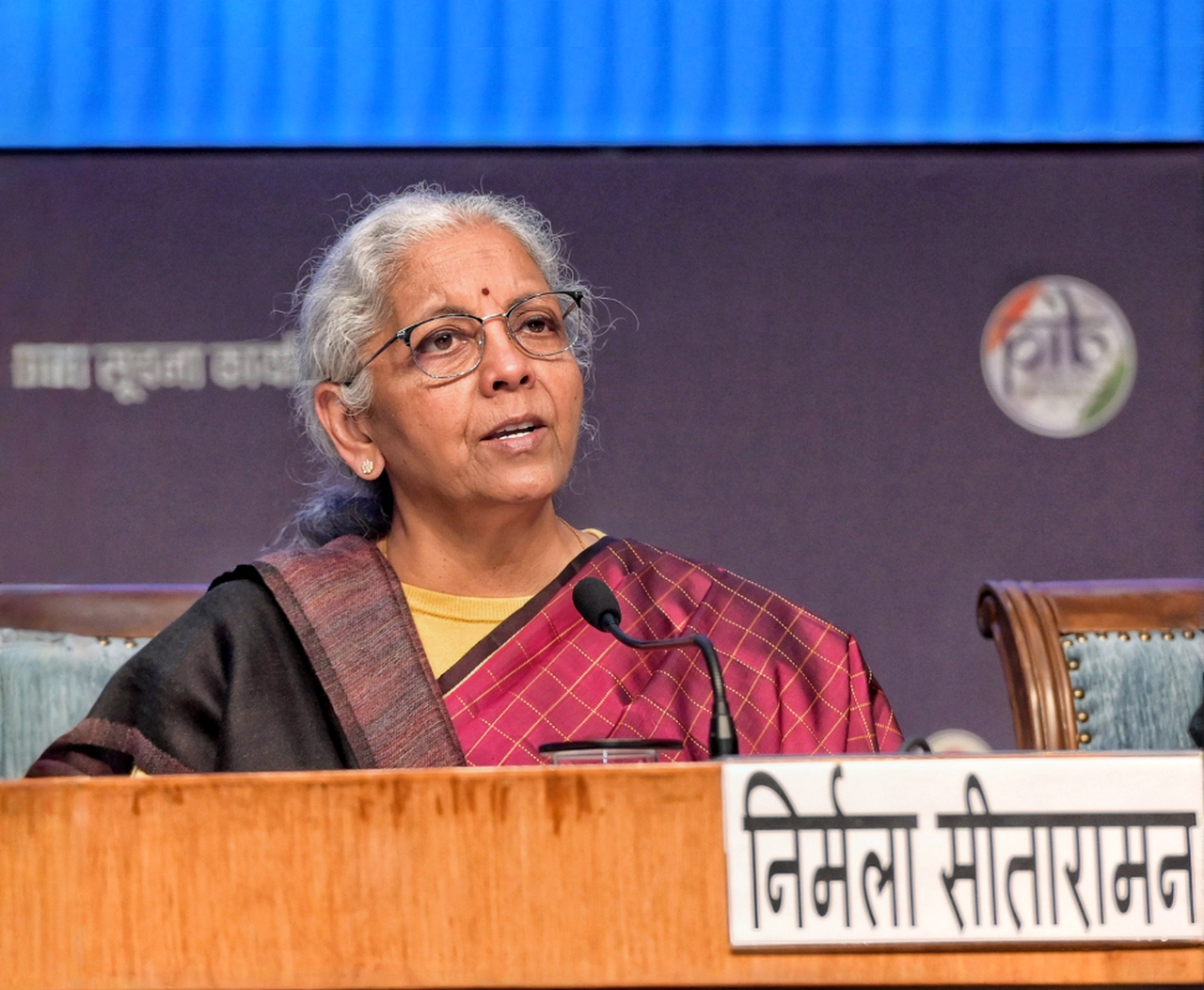
Fiscal discipline holds on paper, but the number is propped up by higher borrowing and revenue sources that are far from stable.