/
•
•
Detailed stories on technology startups, business and economic current affairs.
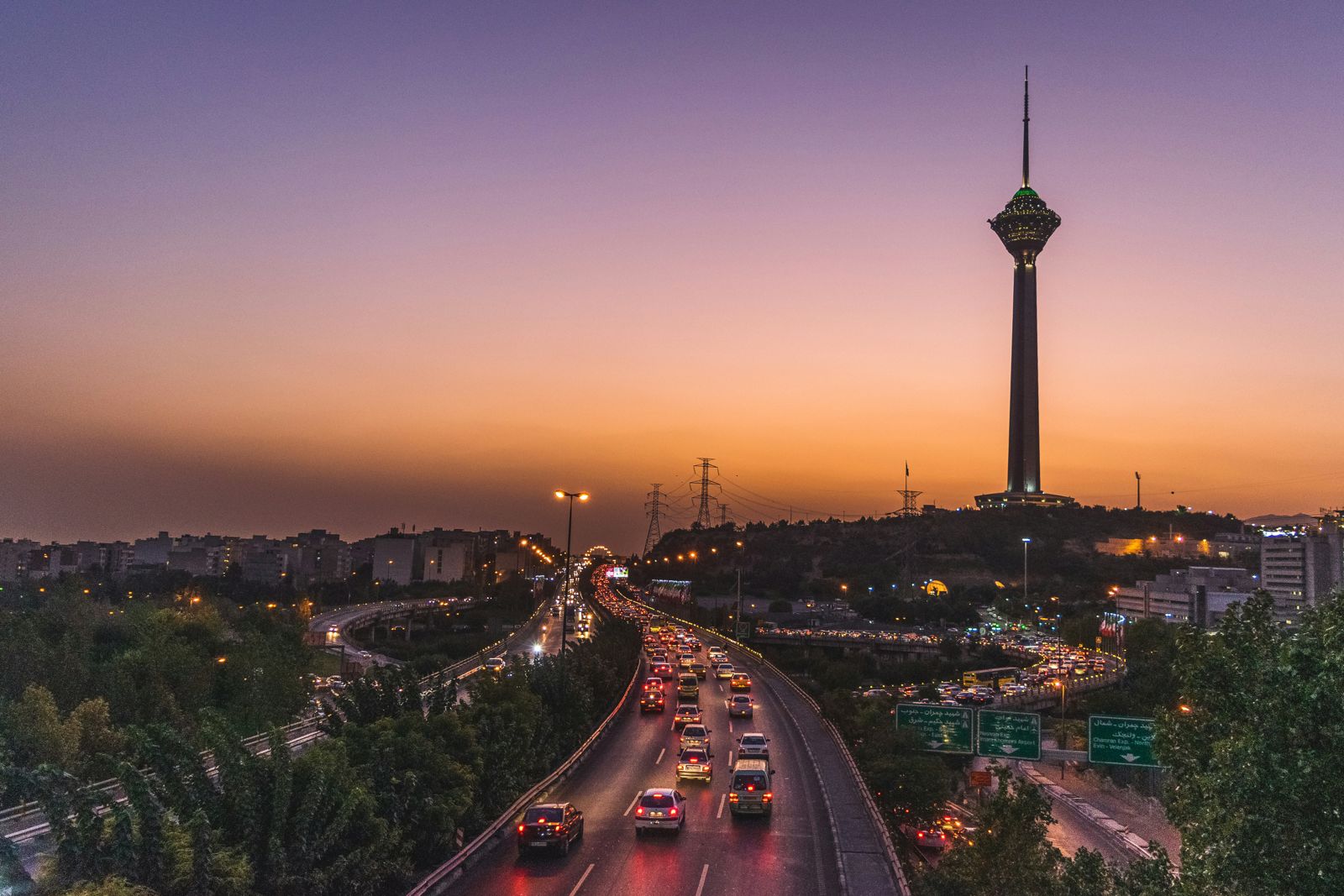
The UN agency’s report is not all about doomsday predictions. Its main focus is on evaluating the ways in which we can actually mitigate global warming.



Editor's note: On Monday, the United Nations’s Intergovernmental Panel on Climate Change, better known as IPCC, issued its third and final report on the state of climate change and its impact. This report comes a month after its second report on the ongoing effects of climate change and humanity’s attempts to adapt to them. The two reports cover different subjects, but their tone and urgency is the same: we have a final chance to act, or else we’re staring at a bleak near- and long-term future. Just consider the events that have unfolded in India in the period between the two reports. In March, large parts of the country witnessed an unprecedented heat wave. Temperatures rose to unheard-of levels, like hitting 40 degrees Celsius in Mumbai. Many Indian states ran out of electricity to feed the sudden rise in power demand, apparently due to a shortage in coal supply. Electricity distribution companies went to power exchanges to buy electricity, where prices shot through the roof and prompted the Central Electricity Regulatory Commission to cap spot power prices. The need for coal-based power …
The UN agency’s report is not all about doomsday predictions. Its main focus is on evaluating the ways in which we can actually mitigate global warming.
Editor's note: On Monday, the United Nations’s Intergovernmental Panel on Climate Change, better known as IPCC, issued its third and final report on the state of climate change and its impact. This report comes a month after its second report on the ongoing effects of climate change and humanity’s attempts to adapt to them. The two reports cover different subjects, but their tone and urgency is the same: we have a final chance to act, or else we’re staring at a bleak near- and long-term future. Just consider the events that have unfolded in India in the period between the two reports. In March, large parts of the country witnessed an unprecedented heat wave. Temperatures rose to unheard-of levels, like hitting 40 degrees Celsius in Mumbai. Many Indian states ran out of electricity to feed the sudden rise in power demand, apparently due to a shortage in coal supply. Electricity distribution companies went to power exchanges to buy electricity, where prices shot through the roof and prompted the Central Electricity Regulatory Commission to cap spot power prices. The need for coal-based power …

India’s second-largest brokerage by active clients wants to handle IPOs as a merchant banker. But gaining a foothold in the highly competitive sector is easier said than done.
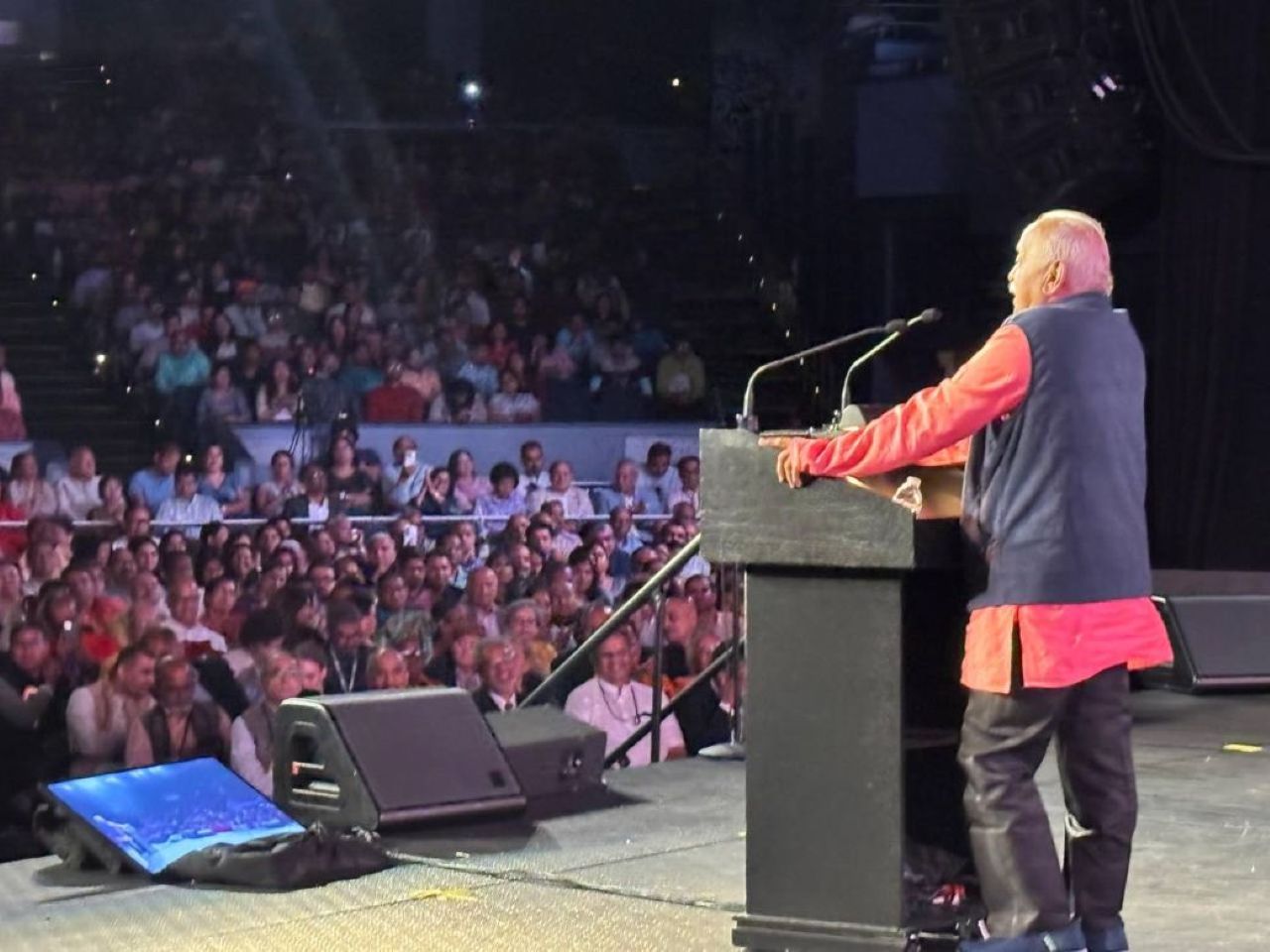
Influence cannot be manufactured through diaspora networks, carefully branded events or political donations. It requires honesty and credibility.
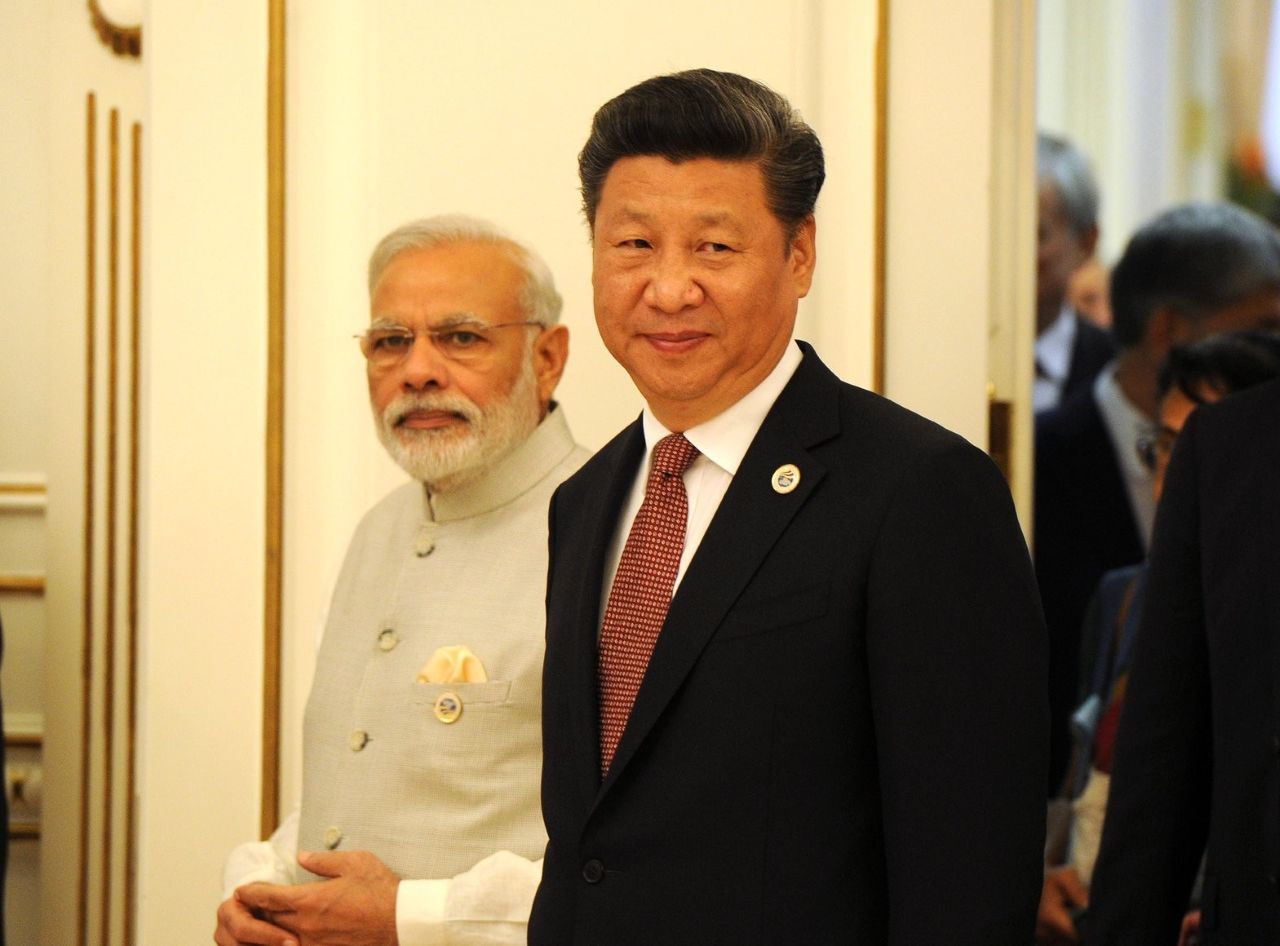
Chinese diplomats to India are saying all the right things for Indian ears, but Beijing’s policy actions are moving in the opposite direction.
India’s second-largest brokerage by active clients wants to handle IPOs as a merchant banker. But gaining a foothold in the highly competitive sector is easier said than done.
Influence cannot be manufactured through diaspora networks, carefully branded events or political donations. It requires honesty and credibility.
Chinese diplomats to India are saying all the right things for Indian ears, but Beijing’s policy actions are moving in the opposite direction.