/
•
•
Detailed stories on technology startups, business and economic current affairs.
The Kaiser-i-Hind, which recently got state butterfly status, could prove useful in measuring the success of the northeastern state’s efforts to get its environmental act together.




I want to start this newsletter with an episode from Calvin and Hobbes, one of my all-time favourite comic strips.
Calvin, as fans would know, is the mischievous sort. One day, he traps a butterfly in a glass jar. “Look,” he tells Hobbes, all excited, “I caught a butterfly.” Hobbes isn’t impressed. “If people could put rainbows in zoos, they’d do it,” he says. Calvin considers it. Then he sets the butterfly free.
A similar crisis of conscience probably prevailed in the minds of Indian policymakers in 1972. The Wildlife (Protection) Act they enacted that year identified vulnerable species from …
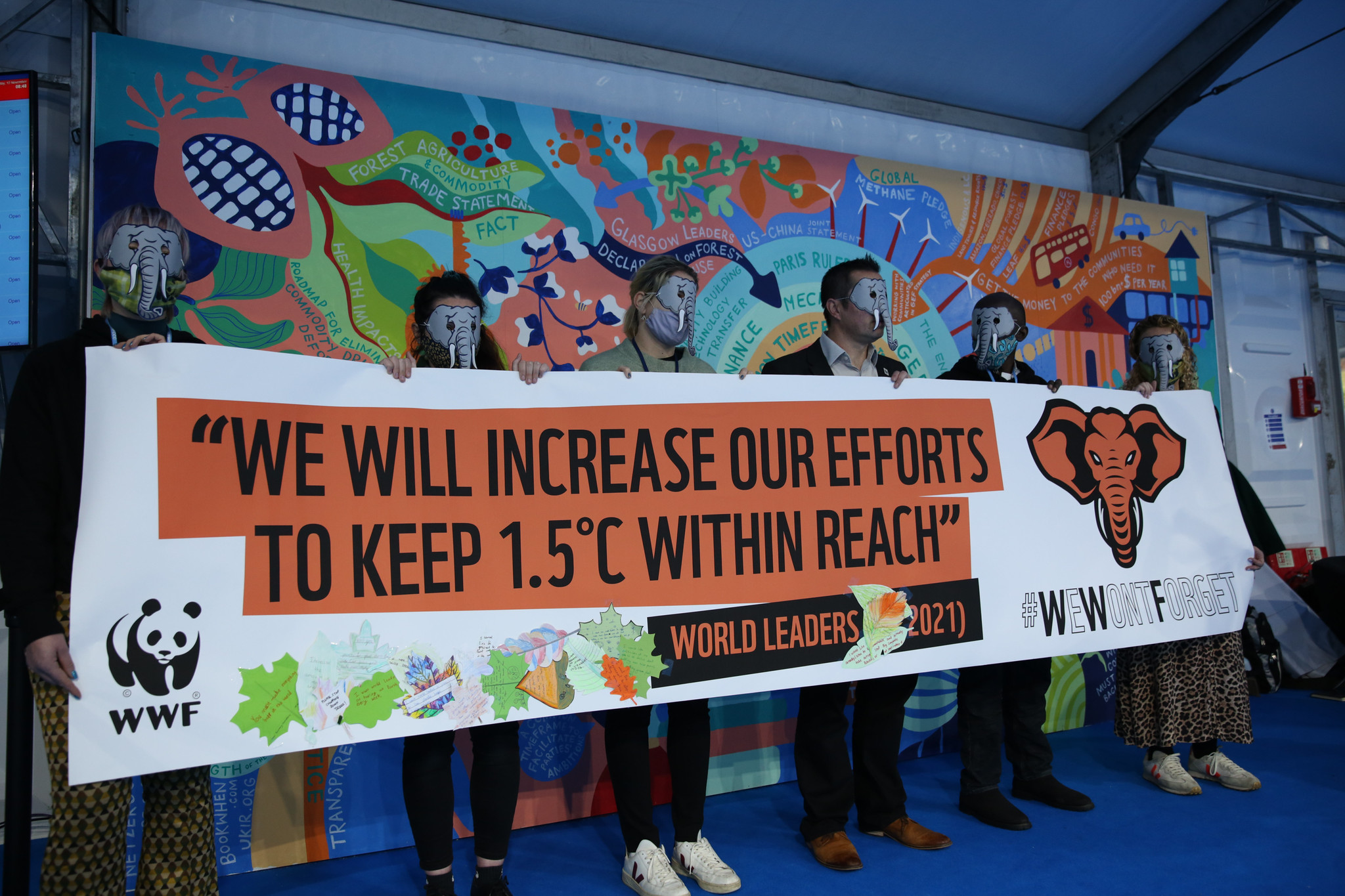
The window to prevent the worst impacts of climate change has shut. The heat is on global leaders at the annual climate talks in Brazil to deliver more than just theatre.
The Kanjurmarg landfill, operated by Antony Waste Handling Cell Ltd., is safe from the axe for now. But its fate remains a major source of worry for the company's shareholders and the city's residents alike.

US President Donald Trump’s showdown with visiting Ukrainian President Volodymyr Zelenskyy undermines global norms and weakens India’s strategic position against China.