/
•
•
Detailed stories on technology startups, business and economic current affairs.



Editor's note: India’s Unified Payments Interface, or UPI, has gained name and fame across the world—perhaps for the first time that Indian tech has been hailed for developing an innovative platform, as opposed to software services. Launched by the National Payments Corporation of India, or NPCI, in 2016, the instantaneous digital payments platform has witnessed a stunning growth, from processing Rs 3 crore worth of transactions in August 2016 to Rs 3 lakh crore in August 2020. In just four years, UPI alone accounts for close to 50% of all retail payments processed in India, in terms of transaction volumes. UPI may have attracted many a plaudit to NPCI, but the fact is that the non-profit company, which manages most retail payments systems in the country, is credited with launching a number of other platforms. These include the Immediate Payment Service, the RuPay card network, the Bharat Bill Payment System, the Aadhaar-enabled Payment System and FasTAG. Licensed by the Reserve Bank of India and controlled by a consortium of state-owned and private-sector banks, NPCI was set up in 2008 to operate retail …
Editor's note: India’s Unified Payments Interface, or UPI, has gained name and fame across the world—perhaps for the first time that Indian tech has been hailed for developing an innovative platform, as opposed to software services. Launched by the National Payments Corporation of India, or NPCI, in 2016, the instantaneous digital payments platform has witnessed a stunning growth, from processing Rs 3 crore worth of transactions in August 2016 to Rs 3 lakh crore in August 2020. In just four years, UPI alone accounts for close to 50% of all retail payments processed in India, in terms of transaction volumes. UPI may have attracted many a plaudit to NPCI, but the fact is that the non-profit company, which manages most retail payments systems in the country, is credited with launching a number of other platforms. These include the Immediate Payment Service, the RuPay card network, the Bharat Bill Payment System, the Aadhaar-enabled Payment System and FasTAG. Licensed by the Reserve Bank of India and controlled by a consortium of state-owned and private-sector banks, NPCI was set up in 2008 to operate retail …
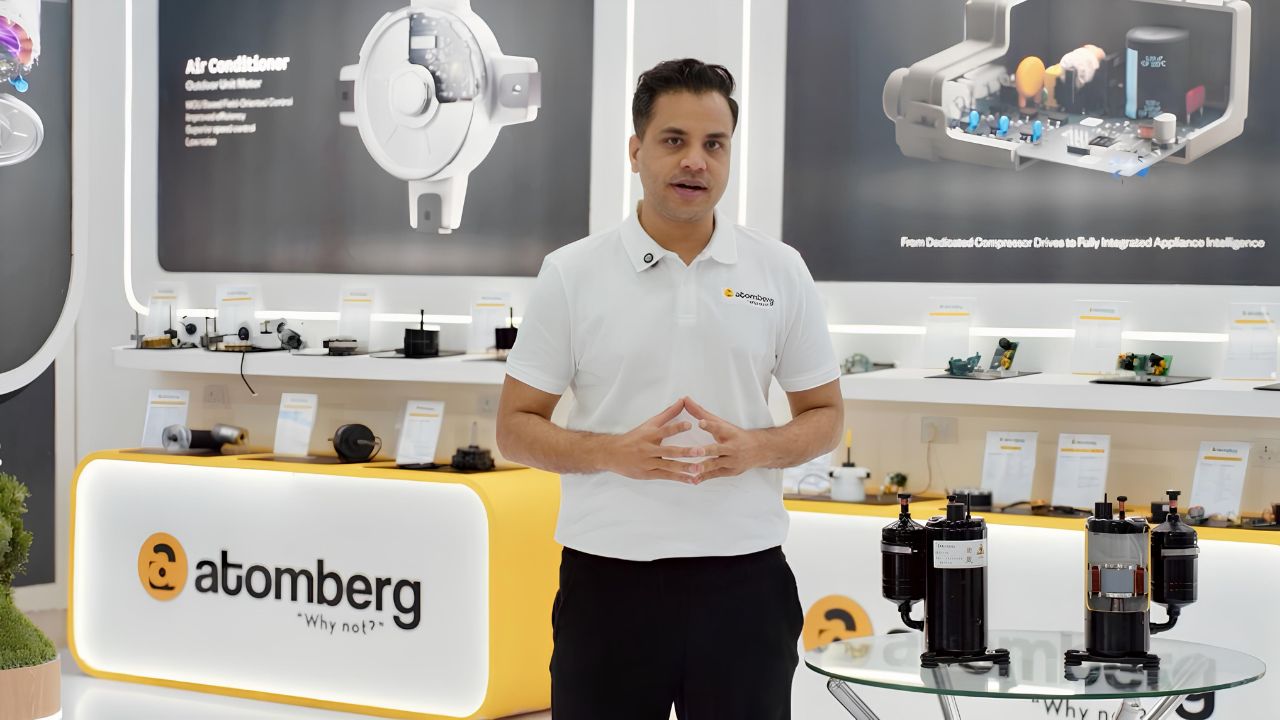
As the smart fan maker gears up for an IPO, prospective investors could do with some clarity on what the company’s next phase of growth will look like.

The stock market regulator is investigating a string of disappointing public listings. The idea is to send a message.
The quick-commerce startup weighs a valuation cut or finding alternative funding to stay afloat as investor appetite for loss-making businesses weakens.
As the smart fan maker gears up for an IPO, prospective investors could do with some clarity on what the company’s next phase of growth will look like.
The stock market regulator is investigating a string of disappointing public listings. The idea is to send a message.
The quick-commerce startup weighs a valuation cut or finding alternative funding to stay afloat as investor appetite for loss-making businesses weakens.