/
•
•
Detailed stories on technology startups, business and economic current affairs.
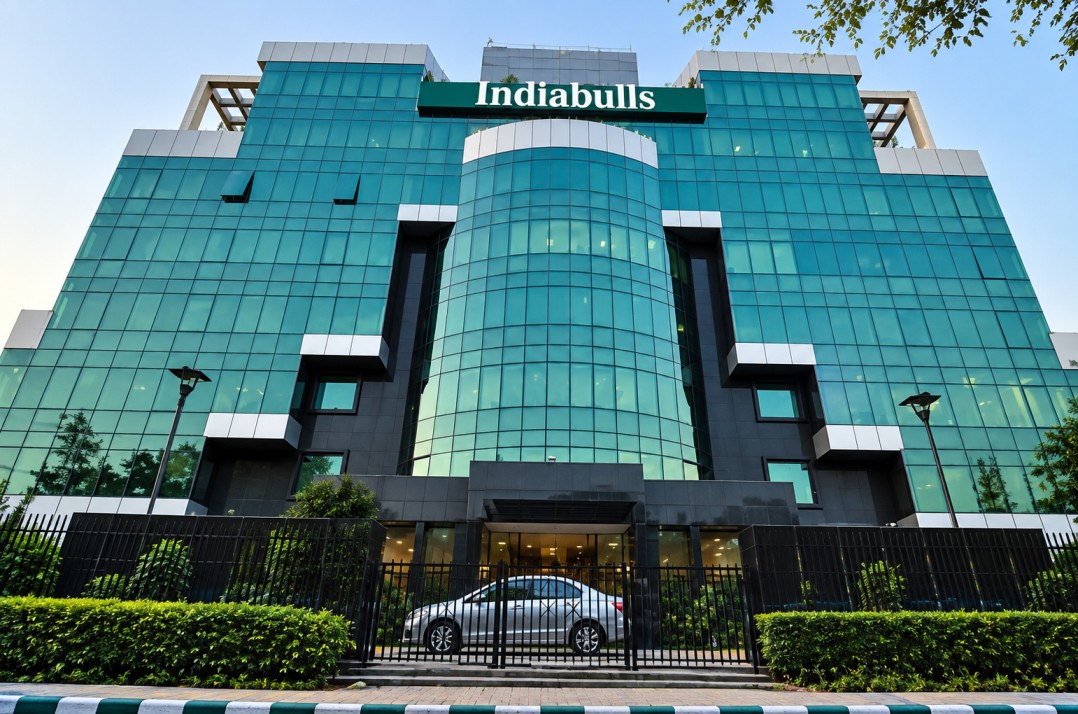
The scam around pledging of client securities without consent has set off a blame game and consequent crackdown by SEBI. But are the checks and balances good only till the next fraud happens?



Editor's note: Last month, IndusInd Bank, HDFC Bank and ICICI Bank filed criminal complaints against Karvy Stock Broking Ltd for defrauding them of Rs 137 crore, Rs 350 crore and Rs 563 crore, respectively. The Hyderabad Police then arrested Karvy founder and chairman C. Parthasarathy, its chief executive officer and its chief financial officer, among others. The arrests came in the wake of Karvy being declared a defaulter, a fraud loan account and its broking licence being revoked by stock exchanges for pledging client securities without consent. But Karvy is not alone. Since 2018, over 30 stockbrokers have defaulted in complying with the rules and regulations introduced in the wake of the stock market scams of the 1990s. Of these brokers, 19 were found to have misused their clients’ stocks and funds, much like Karvy did. Among them were Allied Financial Services, Anugrah Stock and Broking, Bezel Stock Broking, Quantum Global Securities and BMA Wealth Creators, according to the National Stock Exchange’s website. The series of defaults by stockbrokers forced the Securities and Exchange Board of India (SEBI) to act. Over the …
The scam around pledging of client securities without consent has set off a blame game and consequent crackdown by SEBI. But are the checks and balances good only till the next fraud happens?
Editor's note: Last month, IndusInd Bank, HDFC Bank and ICICI Bank filed criminal complaints against Karvy Stock Broking Ltd for defrauding them of Rs 137 crore, Rs 350 crore and Rs 563 crore, respectively. The Hyderabad Police then arrested Karvy founder and chairman C. Parthasarathy, its chief executive officer and its chief financial officer, among others. The arrests came in the wake of Karvy being declared a defaulter, a fraud loan account and its broking licence being revoked by stock exchanges for pledging client securities without consent. But Karvy is not alone. Since 2018, over 30 stockbrokers have defaulted in complying with the rules and regulations introduced in the wake of the stock market scams of the 1990s. Of these brokers, 19 were found to have misused their clients’ stocks and funds, much like Karvy did. Among them were Allied Financial Services, Anugrah Stock and Broking, Bezel Stock Broking, Quantum Global Securities and BMA Wealth Creators, according to the National Stock Exchange’s website. The series of defaults by stockbrokers forced the Securities and Exchange Board of India (SEBI) to act. Over the …

Thinly traded listed entities have long served as breeding grounds for stock manipulation, hurting investors. The regulator, the NSE and BSE now want to fix things by focusing on efficient delisting.

The newly announced levy on UPI payments undermines the very foundation of using digital payments for stock market investing. Brokers are in a tizzy.
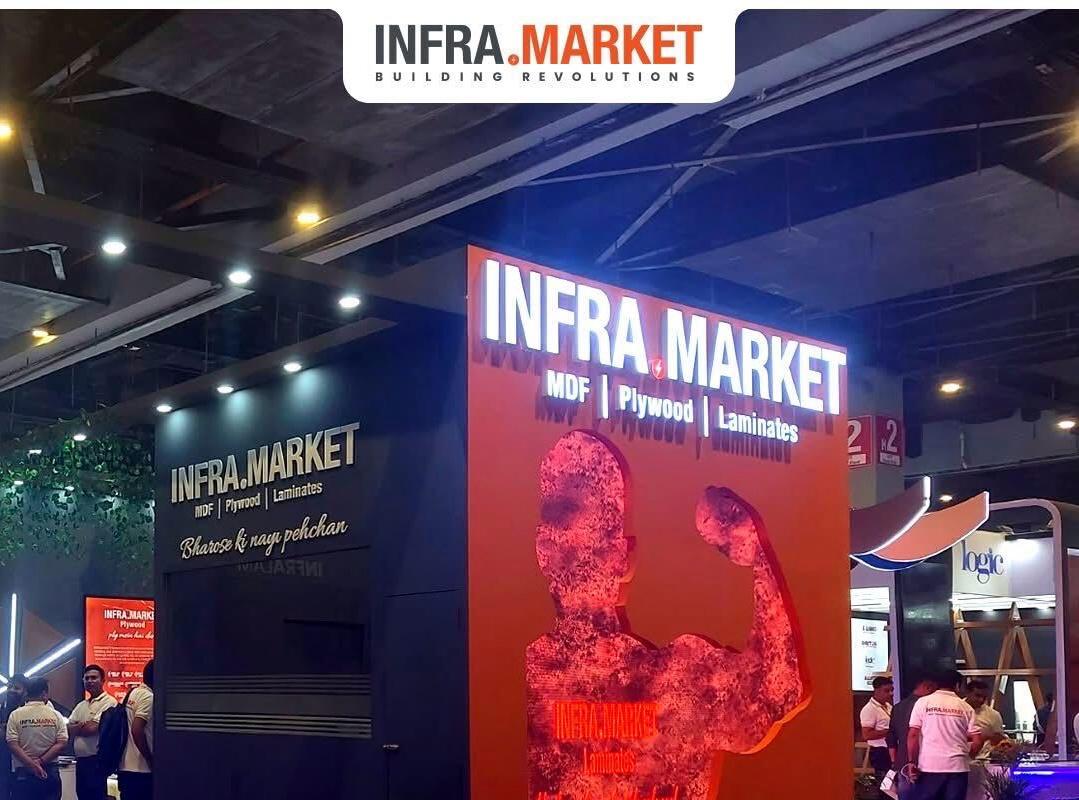
A Rs 10,440 crore share swap with listed Shalimar Paints could give the building materials startup a public market presence without a traditional IPO. But the novel route leaves investors grappling with dilution, valuation and governance concerns.
Thinly traded listed entities have long served as breeding grounds for stock manipulation, hurting investors. The regulator, the NSE and BSE now want to fix things by focusing on efficient delisting.
The newly announced levy on UPI payments undermines the very foundation of using digital payments for stock market investing. Brokers are in a tizzy.
A Rs 10,440 crore share swap with listed Shalimar Paints could give the building materials startup a public market presence without a traditional IPO. But the novel route leaves investors grappling with dilution, valuation and governance concerns.