/
•
•
Detailed stories on technology startups, business and economic current affairs.
Last week, the 26-year-old wine company filed for an IPO. It might just become the most fashionable Indian alcohol brand to go public.



Editor's note: The draft IPO prospectus of Sula Vineyards is more of a playbook. Filed late last week by the Mumbai-based wine company, the prospectus is a 460-page manual on navigating the Indian market and the persistence required to build a business out of alcohol in India. Sula goes back to the 1990s. It was founded and is run by second-generation entrepreneur Rajeev Samant. It set up its first vineyard in the city of Nashik in Maharashtra in 1996 on a piece of land owned by Samant’s family and introduced its first wine in 2000. It was seed-funded by family, friends and banks. At the time, domestic wine was barely a functioning sector in India, or as Sula says in its prospectus, “... wine as an industry in India is largely a post calendar year 2000 phenomenon. Prior to 2000, wine produced domestically was largely small-scale and confined to pockets, or comprised imported products that were essentially sold in 5-star hotels.” As things stand today, Sula Vineyards is a market leader in a Rs 1,200 crore industry that is growing in double-digit …

Last week, the 26-year-old wine company filed for an IPO. It might just become the most fashionable Indian alcohol brand to go public.
Editor's note: The draft IPO prospectus of Sula Vineyards is more of a playbook. Filed late last week by the Mumbai-based wine company, the prospectus is a 460-page manual on navigating the Indian market and the persistence required to build a business out of alcohol in India. Sula goes back to the 1990s. It was founded and is run by second-generation entrepreneur Rajeev Samant. It set up its first vineyard in the city of Nashik in Maharashtra in 1996 on a piece of land owned by Samant’s family and introduced its first wine in 2000. It was seed-funded by family, friends and banks. At the time, domestic wine was barely a functioning sector in India, or as Sula says in its prospectus, “... wine as an industry in India is largely a post calendar year 2000 phenomenon. Prior to 2000, wine produced domestically was largely small-scale and confined to pockets, or comprised imported products that were essentially sold in 5-star hotels.” As things stand today, Sula Vineyards is a market leader in a Rs 1,200 crore industry that is growing in double-digit …
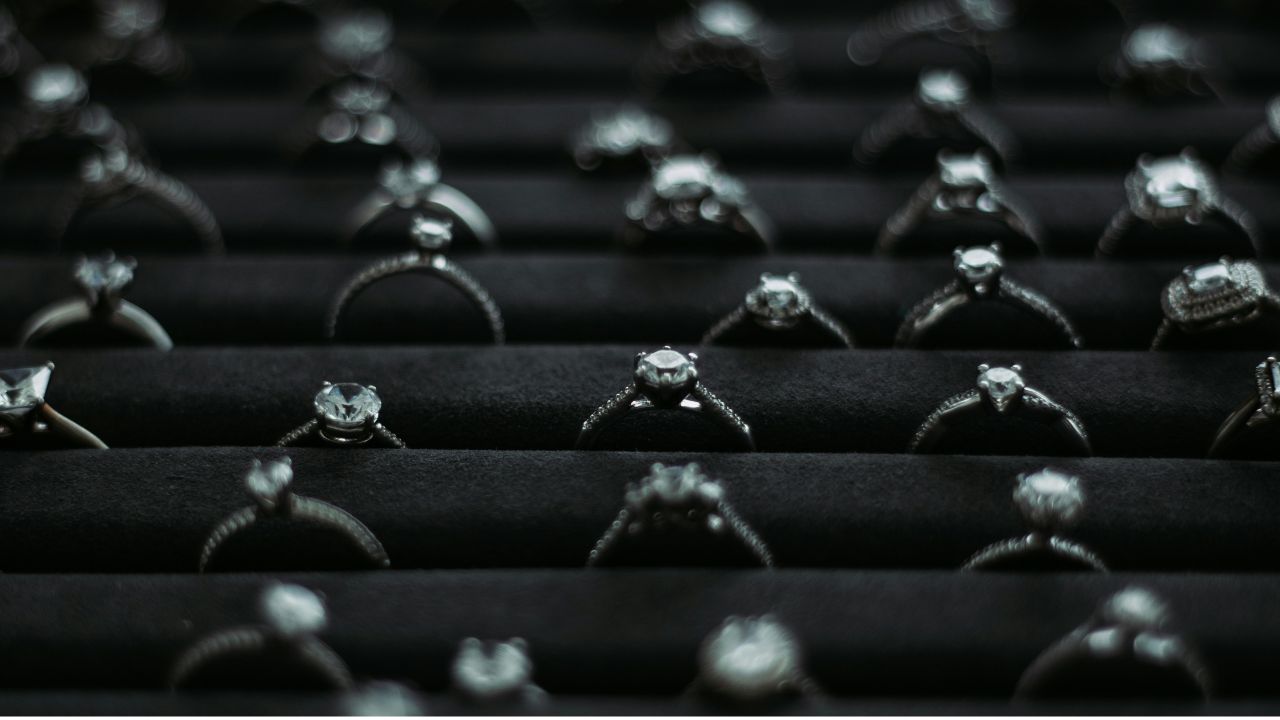
Brands are struggling amid plunging prices of lab-grown diamonds, poor margins, intense competition, shaky global demand and a domestic market where tradition continues to shape buying decisions.
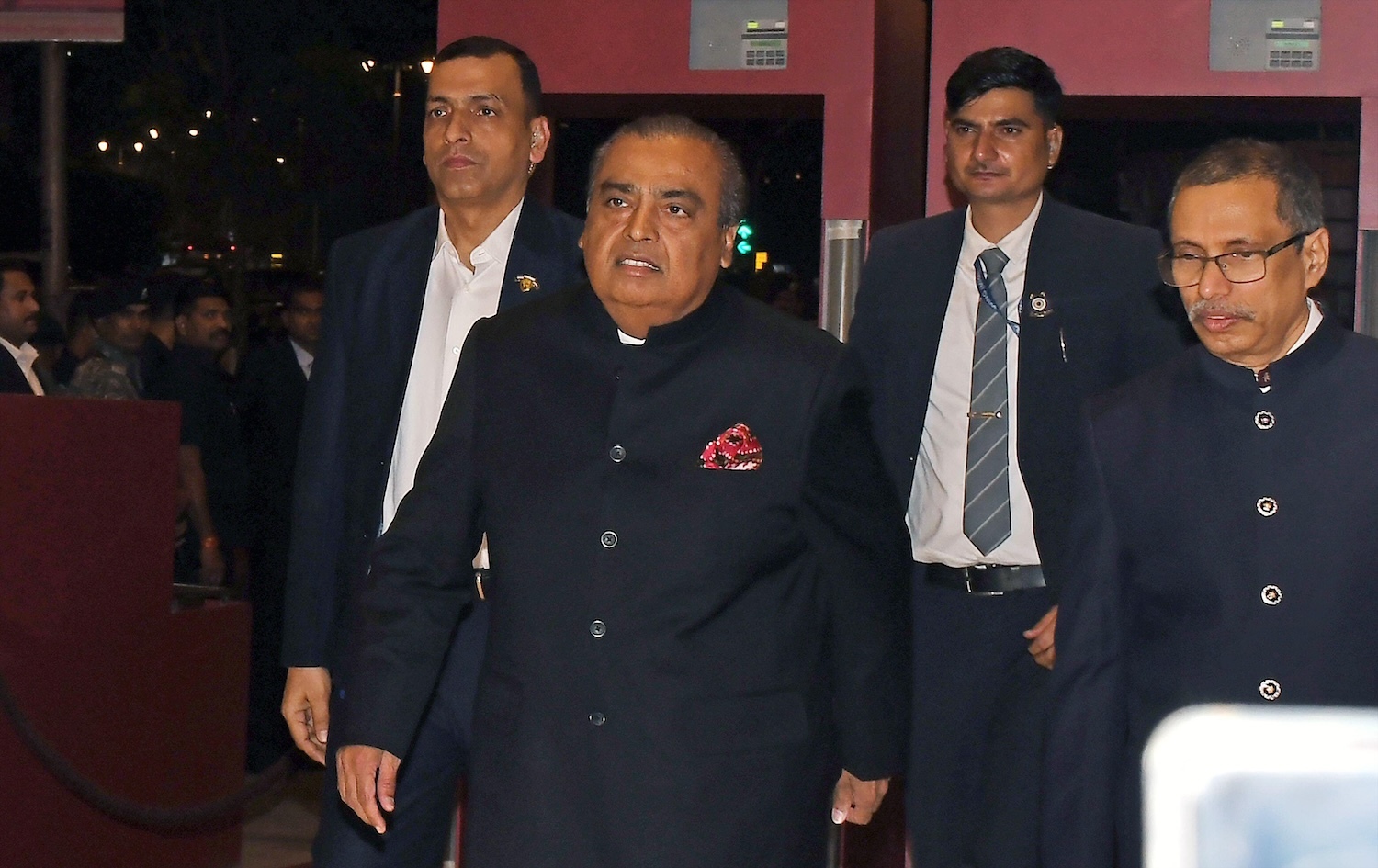
While the Rs 9,000 crore promoter investment in Q1 brings a measure of reassurance, investors will still have to wait for Jio and retail to work through their challenges.
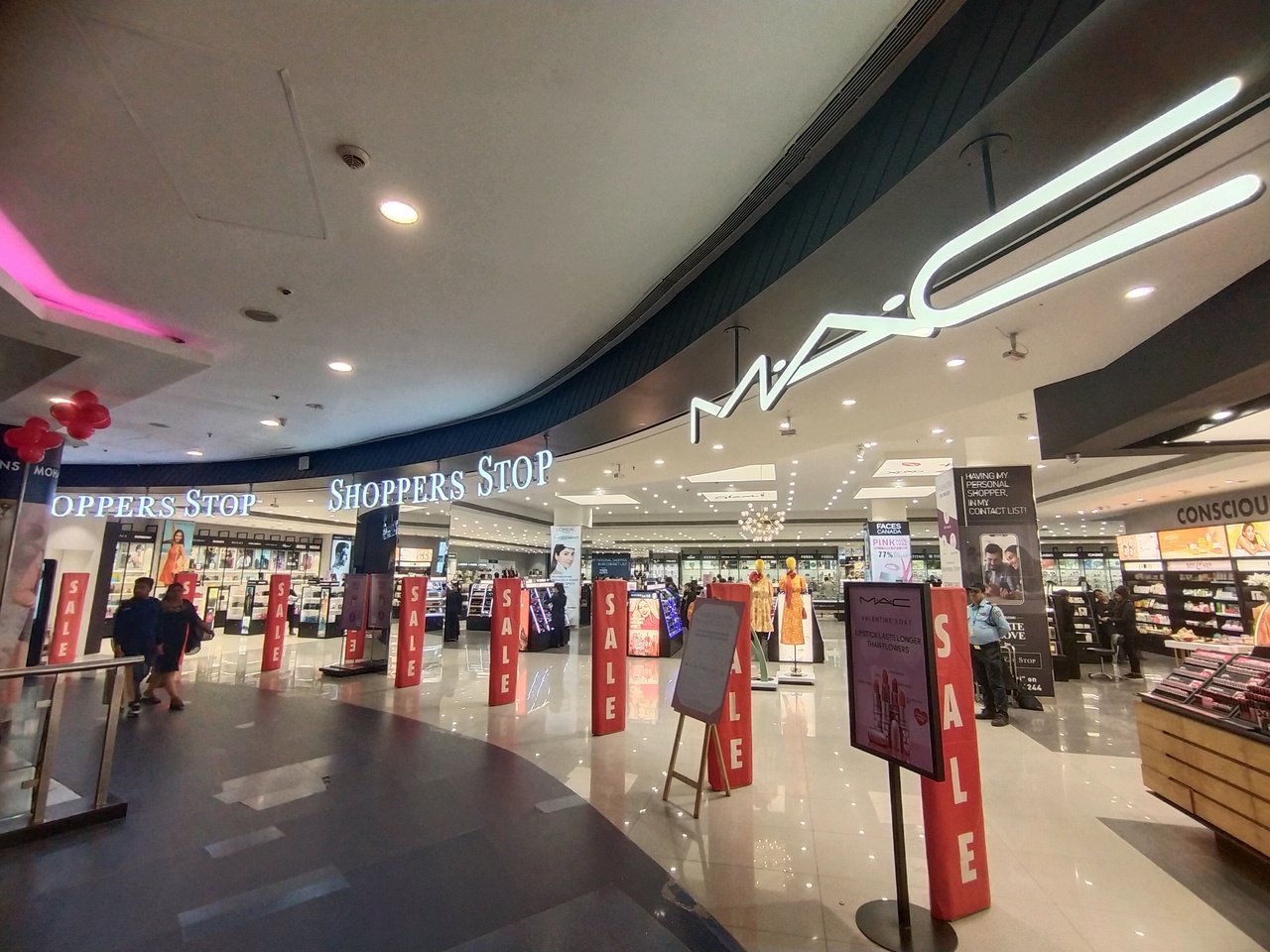
The department store chain’s only growth engine is powered by distribution, not stores—raising questions about sustainability and profitability.
Brands are struggling amid plunging prices of lab-grown diamonds, poor margins, intense competition, shaky global demand and a domestic market where tradition continues to shape buying decisions.
While the Rs 9,000 crore promoter investment in Q1 brings a measure of reassurance, investors will still have to wait for Jio and retail to work through their challenges.
The department store chain’s only growth engine is powered by distribution, not stores—raising questions about sustainability and profitability.