/
•
•
Detailed stories on technology startups, business and economic current affairs.



This is the twelfth edition of Street Smart, The Morning Context’s weekly newsletter on everything that impacts corporate India. Every Thursday, Street Smart will bring you an original, reported or analytical take on issues that have the potential to shake up the business ecosystem
Advait here. I was amused to see the headlines after the launch of e-RUPI, which Prime Minister Narendra Modi promised will provide “leakage-free” benefits. I beg to differ. e-RUPI may be a good idea. But leakage free? I don’t think so. On the other hand, Adani Wilmar’s public offer doesn’t seem to have created as much …
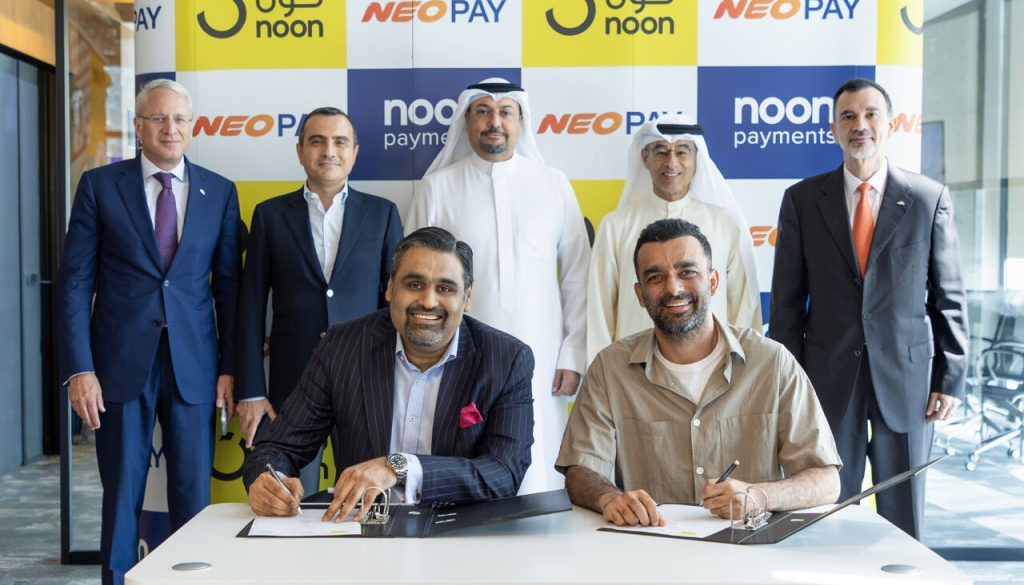
A local fintech deal to consolidate operations, feedback on Saudi Arabia’s proposed IPO rules, and Ras Al Khaimah’s casino economy.

The newly announced levy on UPI payments undermines the very foundation of using digital payments for stock market investing. Brokers are in a tizzy.
As the smart fan maker gears up for an IPO, prospective investors could do with some clarity on what the company’s next phase of growth will look like.