/
•
•
Detailed stories on technology startups, business and economic current affairs.
Quick to tie up with fintech startups, India’s P2P lending platforms have done little to address the lack of transparency about borrowers and links with dubious loan apps.



Editor's note: Last week was particularly interesting for India’s peer-to-peer lending platforms. Two contrasting trends emerged. On Friday, fintech startup CRED announced that it will buy a minority stake in peer-to-peer lending platform LiquiLoans for $10 million (roughly Rs 80 crore), valuing it at $200 million. The move comes nearly a year after CRED partnered with the Mumbai-based P2P player to launch CRED Mint, a service that allows its customers to lend to one another through LiquiLoans at an interest rate of up to 9% annually. The same week, digital payments firm MobiKwik launched a similar feature on its app. The service, called Xtra, allows users to invest through P2P lending platform Lendbox and earn an interest of up to 12% annually. CRED and MobiKwik are not P2P lenders. They simply act as a channel for their P2P partners, which, in turn, get lenders—or investors—to pool their money to offer borrowers unsecured instant loans. Ever since the Reserve Bank of India recognized P2P lenders as non-banking financial companies in 2017, more than 25 such licensed platforms have come up in India. According …

Quick to tie up with fintech startups, India’s P2P lending platforms have done little to address the lack of transparency about borrowers and links with dubious loan apps.
Editor's note: Last week was particularly interesting for India’s peer-to-peer lending platforms. Two contrasting trends emerged. On Friday, fintech startup CRED announced that it will buy a minority stake in peer-to-peer lending platform LiquiLoans for $10 million (roughly Rs 80 crore), valuing it at $200 million. The move comes nearly a year after CRED partnered with the Mumbai-based P2P player to launch CRED Mint, a service that allows its customers to lend to one another through LiquiLoans at an interest rate of up to 9% annually. The same week, digital payments firm MobiKwik launched a similar feature on its app. The service, called Xtra, allows users to invest through P2P lending platform Lendbox and earn an interest of up to 12% annually. CRED and MobiKwik are not P2P lenders. They simply act as a channel for their P2P partners, which, in turn, get lenders—or investors—to pool their money to offer borrowers unsecured instant loans. Ever since the Reserve Bank of India recognized P2P lenders as non-banking financial companies in 2017, more than 25 such licensed platforms have come up in India. According …

The newly announced levy on UPI payments undermines the very foundation of using digital payments for stock market investing. Brokers are in a tizzy.
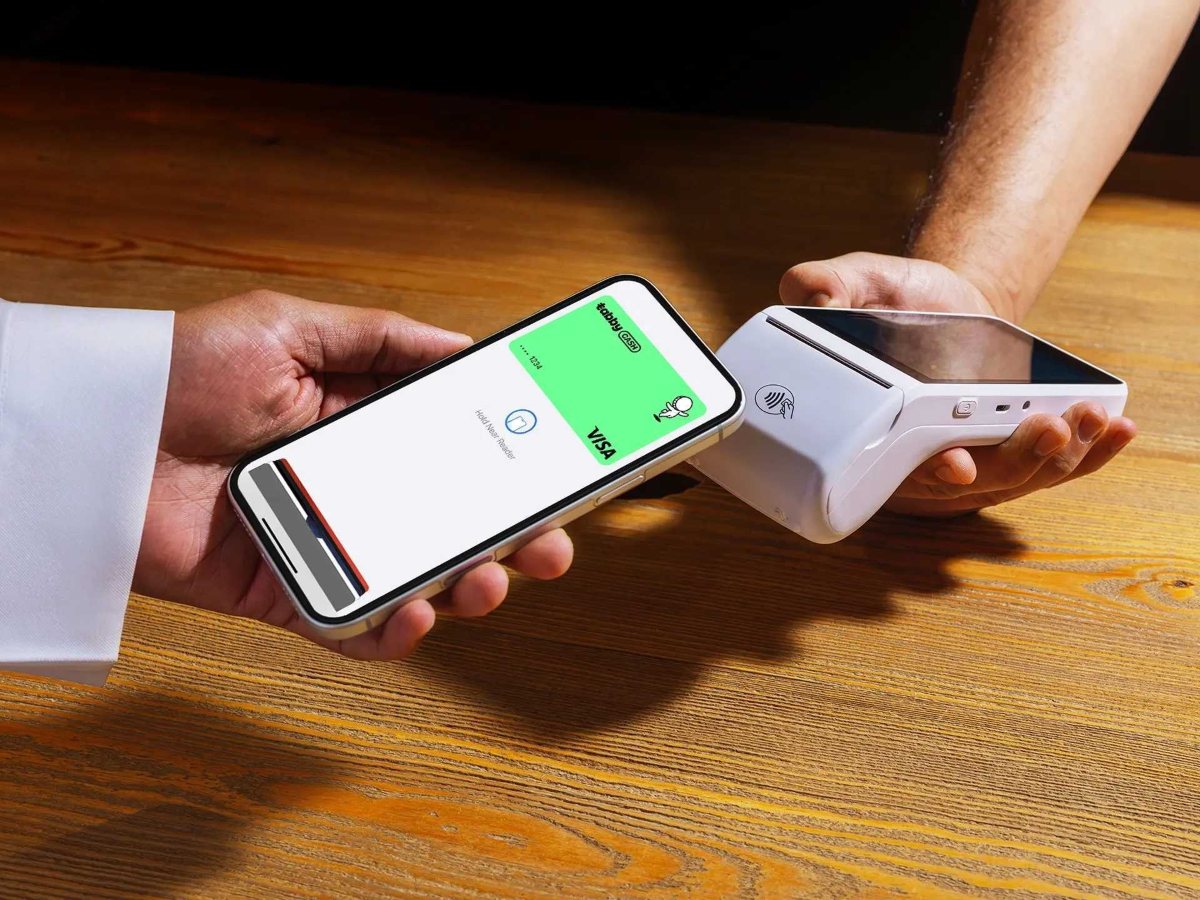
The most valuable Mideast fintech is expanding beyond buy-now, pay-later into financial services across Saudi Arabia and the UAE.
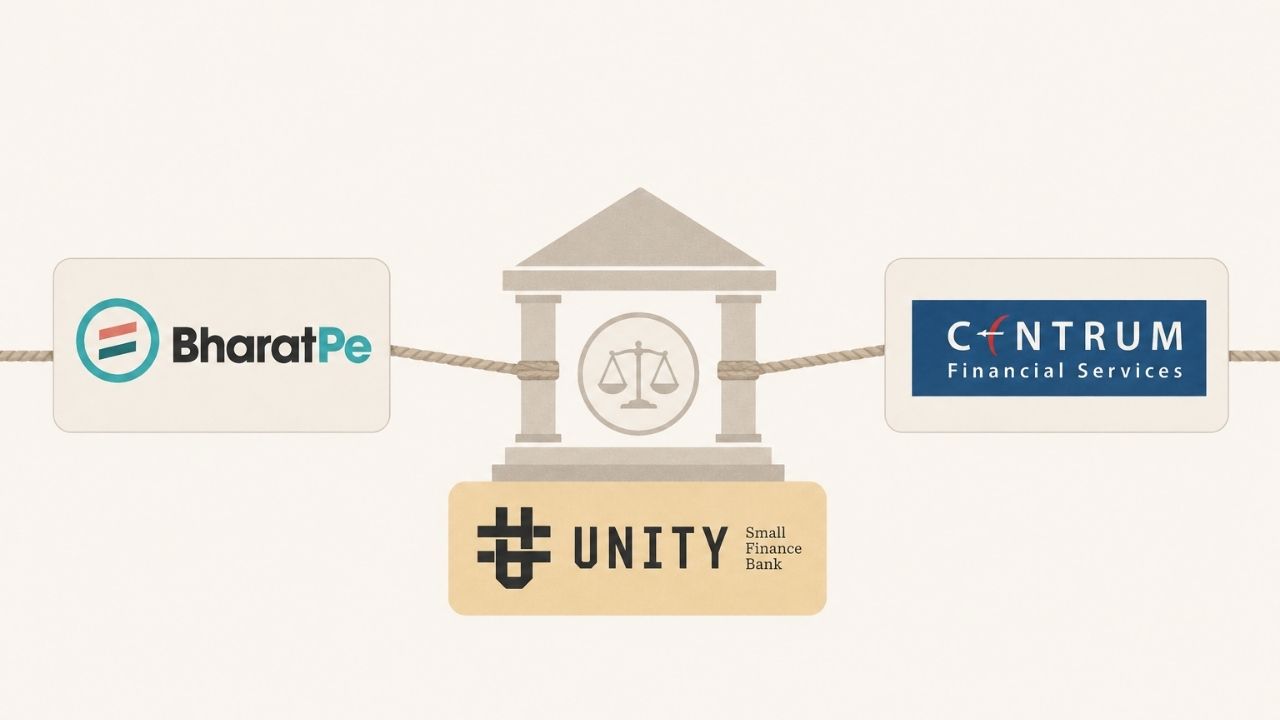
The Rs 900 crore capital fight with BharatPe over the small finance bank could leave Centrum’s investors holding the loss.
The newly announced levy on UPI payments undermines the very foundation of using digital payments for stock market investing. Brokers are in a tizzy.
The most valuable Mideast fintech is expanding beyond buy-now, pay-later into financial services across Saudi Arabia and the UAE.
The Rs 900 crore capital fight with BharatPe over the small finance bank could leave Centrum’s investors holding the loss.