/
•
•
Detailed stories on technology startups, business and economic current affairs.
Paytm might not want to give up on e-commerce, but now would be a good time for it to stop throwing good money after bad.



Editor's note: Last week Paytm raised $1 billion. Most of the company’s businesses will see some of that money. Competition is tough in almost every segment the company operates in, from payments to travel to mutual funds. But there’s one that’s unlikely to get any love—e-commerce. In today’s story we will take an objective look at what went wrong at Paytm Mall. But more importantly, if anything can be retrieved from an edifice built layer upon incongruent layer of arrogance, confusion and piles of investor money, one that has collapsed and been resurrected multiple times. Fasten your seatbelt. The old rabbit hole The king of e-commerce in India is the mobile phones category. It’s how Flipkart and later Amazon India got first-time buyers on board in a big way, and still accounts for the biggest chunk of online sales. Unsurprisingly, that’s also where Paytm Mall started. Paytm Mall, which operated on a pure marketplace model, chose Apple’s iPhones to drive traffic and led itself down the GMV rabbit hole with cashbacks as high as 20%. GMV stands for gross merchandise value, or …

Paytm might not want to give up on e-commerce, but now would be a good time for it to stop throwing good money after bad.
Editor's note: Last week Paytm raised $1 billion. Most of the company’s businesses will see some of that money. Competition is tough in almost every segment the company operates in, from payments to travel to mutual funds. But there’s one that’s unlikely to get any love—e-commerce. In today’s story we will take an objective look at what went wrong at Paytm Mall. But more importantly, if anything can be retrieved from an edifice built layer upon incongruent layer of arrogance, confusion and piles of investor money, one that has collapsed and been resurrected multiple times. Fasten your seatbelt. The old rabbit hole The king of e-commerce in India is the mobile phones category. It’s how Flipkart and later Amazon India got first-time buyers on board in a big way, and still accounts for the biggest chunk of online sales. Unsurprisingly, that’s also where Paytm Mall started. Paytm Mall, which operated on a pure marketplace model, chose Apple’s iPhones to drive traffic and led itself down the GMV rabbit hole with cashbacks as high as 20%. GMV stands for gross merchandise value, or …

The Walmart-owned e-commerce company has entered microdramas and food delivery. Is it thinking long-term or just chasing a trend?
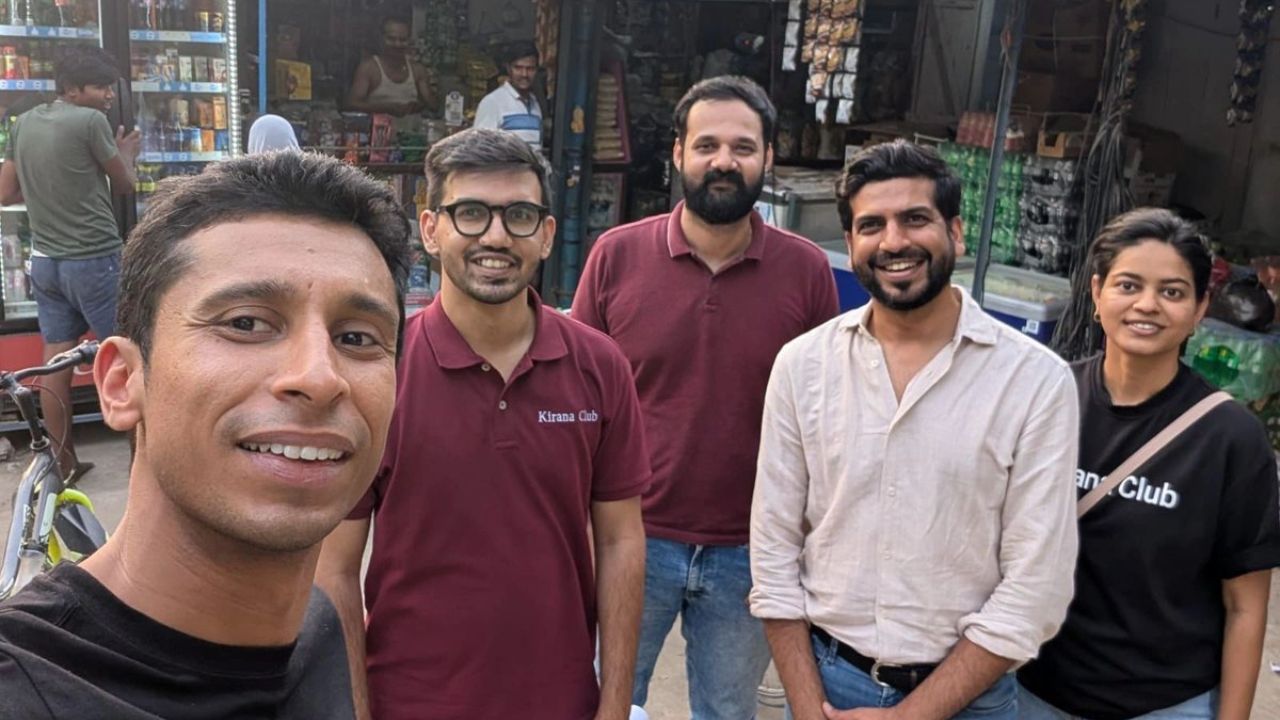
Its acquisition of Kirana Club signals an attempt to find a new growth engine, but grocery retail has been a challenge for even well-funded players.
An NBFC licence and a string of approvals give the fintech firm a fresh shot at relevance. But patchy execution, intense competition and a stagnant core cast doubt on whether it can capitalize on the opportunity.
The Walmart-owned e-commerce company has entered microdramas and food delivery. Is it thinking long-term or just chasing a trend?
Its acquisition of Kirana Club signals an attempt to find a new growth engine, but grocery retail has been a challenge for even well-funded players.
An NBFC licence and a string of approvals give the fintech firm a fresh shot at relevance. But patchy execution, intense competition and a stagnant core cast doubt on whether it can capitalize on the opportunity.