/
•
•



Editor's note: Last week, I wrote about India’s online festive sales period, and broke down how the sales battle plays out and the current state of Indian e-commerce along five parameters. Today, now that both the first and second “waves” of the sales have run their course, and the third wave has started, we’re going to get into some specific numbers from this year’s sales, based on conversations with vendors and executives in the trade. Typically, the first wave—headlined by Flipkart’s Big Billion Days, and Amazon’s Great Indian Festival—accounts for just over half of overall Diwali-period sales, with the next two smaller sales events splitting the remainder almost evenly. So we're going to look at numbers specifically from the first wave of Diwali sales to assess the health of the online industry. A quick recap: Electronics of various kinds account for about 65-75% of sales (and even higher during Diwali sales) by gross merchandise value, or GMV, and so we’re going to look mainly at these: • Mobiles or smartphones, around 50% of GMV • Home and personal electronics (TVs, headphones, fitness …
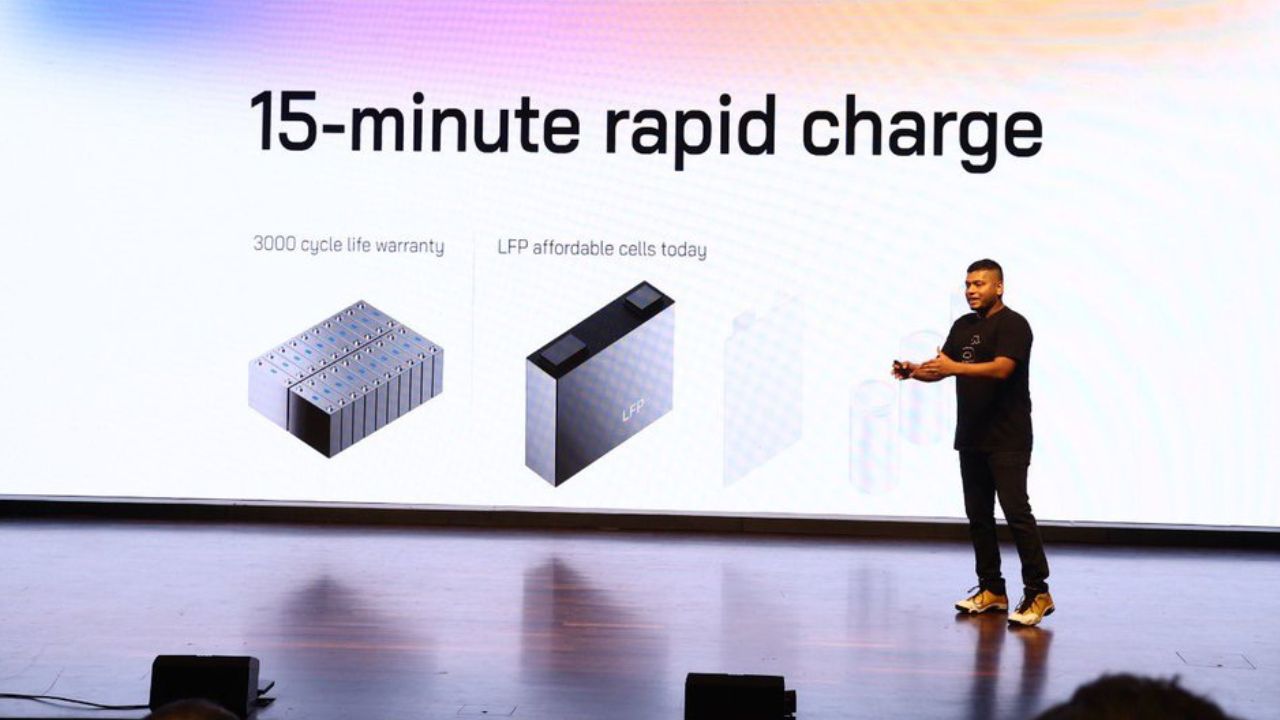

Who’s going to lead the IPO party, what’s going to drive the market, where are some of the leading businesses headed, and more.
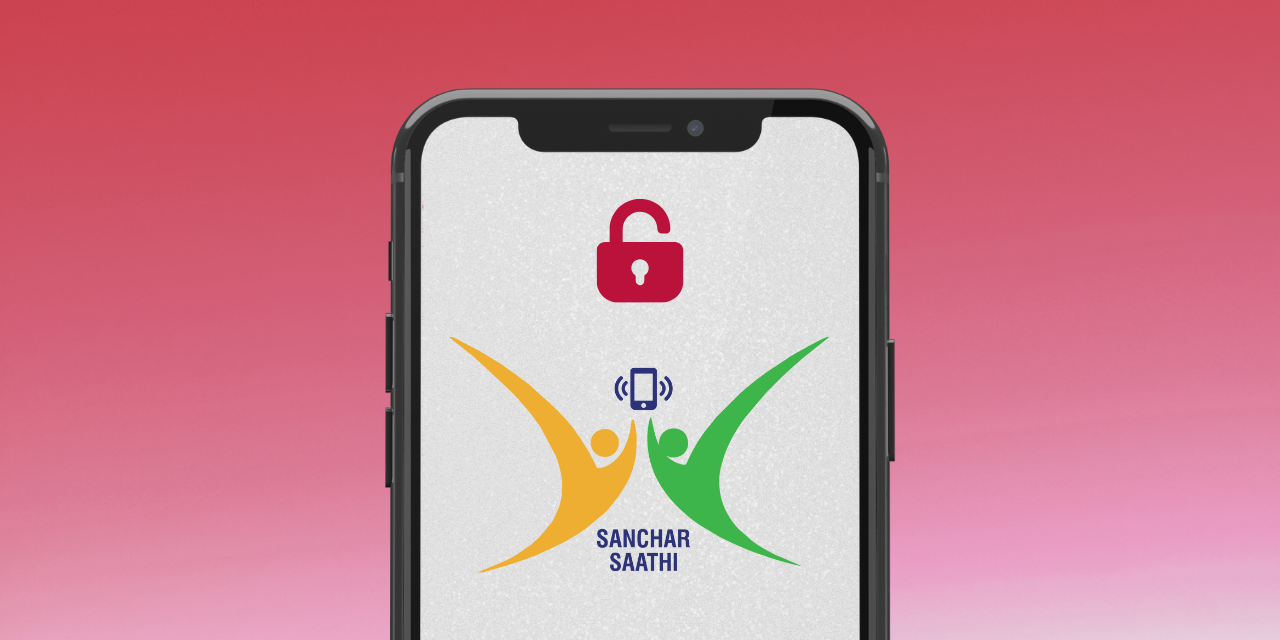
The Department of Telecommunications’ directive that every smartphone come pre-installed with the app follows a familiar pattern of ‘optional’ tools that turn mandatory in practice.

The ecommerce platform will be hard-pressed to justify its estimated $7-8 billion valuation—up nearly 2x from just 10 months ago—at a time of ho-hum growth and flagging profitability.