/
•
•
Detailed stories on technology startups, business and economic current affairs.
For EVs to take off, will Indians swap batteries instead of charging them?



Editor's note: Late last week, Bounce, the scooter-rental startup, launched an electric two-wheeler called Bounce Infinity. In a sea of excitement around the potential of electric vehicles in solving for clean personal mobility, the Infinity stands out for two reasons. One, Bounce is going to manufacture these scooters themselves. They’ve never done this before. Two, a major plank of the company’s sales strategy hinges on the battery swap model, where potential buyers can purchase the vehicle without a battery and keep swapping them out for freshly charged ones at Bounce stations. Price is Bounce’s key strategy. You can buy the whole scooter, battery and charger included, for about Rs 69,000. A battery-less scooter from the company will be available for about Rs 45,000, at least 20% cheaper than what combustion engine scooters cost, plus a monthly subscription fee for battery swapping. These prices are for Delhi and “ex showroom”, meaning they don’t include costs such as mandatory insurance or road tax; the showroom price varies from state to state based on subsidies, but Delhi is usually the benchmark for the auto industry. …
For EVs to take off, will Indians swap batteries instead of charging them?
Editor's note: Late last week, Bounce, the scooter-rental startup, launched an electric two-wheeler called Bounce Infinity. In a sea of excitement around the potential of electric vehicles in solving for clean personal mobility, the Infinity stands out for two reasons. One, Bounce is going to manufacture these scooters themselves. They’ve never done this before. Two, a major plank of the company’s sales strategy hinges on the battery swap model, where potential buyers can purchase the vehicle without a battery and keep swapping them out for freshly charged ones at Bounce stations. Price is Bounce’s key strategy. You can buy the whole scooter, battery and charger included, for about Rs 69,000. A battery-less scooter from the company will be available for about Rs 45,000, at least 20% cheaper than what combustion engine scooters cost, plus a monthly subscription fee for battery swapping. These prices are for Delhi and “ex showroom”, meaning they don’t include costs such as mandatory insurance or road tax; the showroom price varies from state to state based on subsidies, but Delhi is usually the benchmark for the auto industry. …
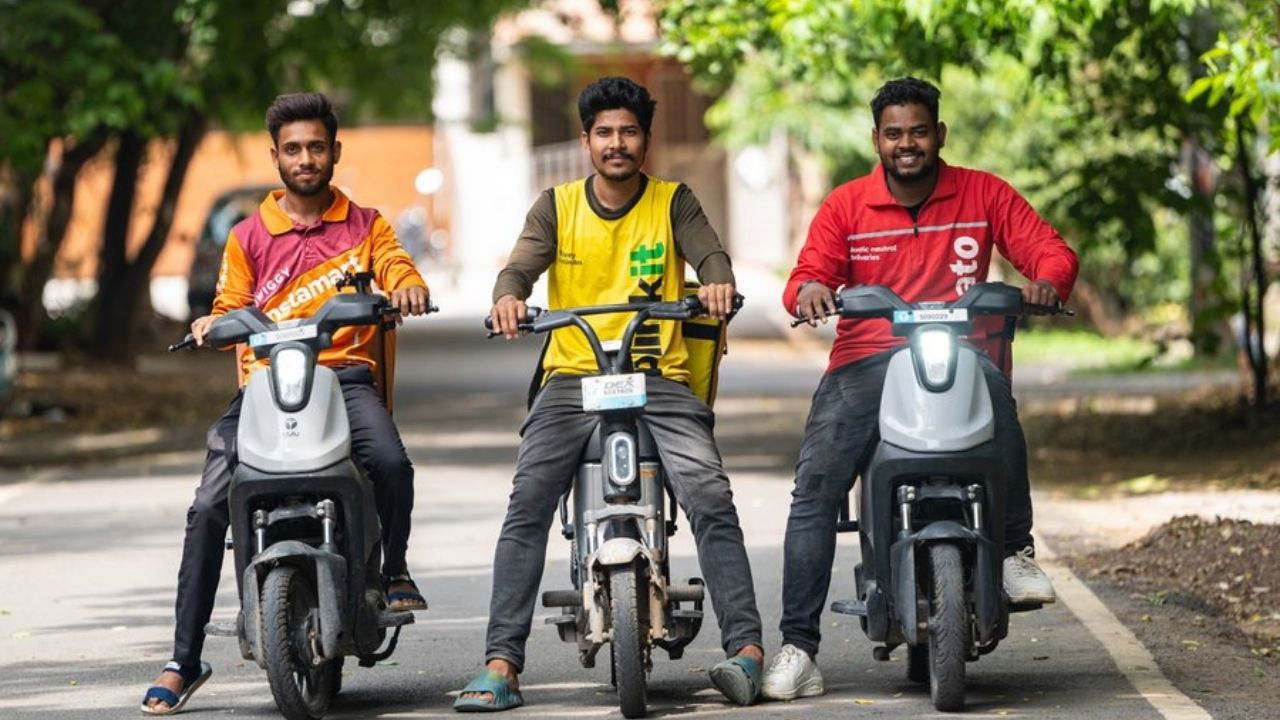
The e-bike rental startup has made the most of the country’s quick-commerce boom, fuelled by the pandemic lockdowns. Now it needs to step outside its comfort zone.

In less than two years, the instant delivery startup that puts quality above all else has attracted marquee VC investors, earning a valuation of $255 million. How far the niche bet will take it is anybody’s guess.
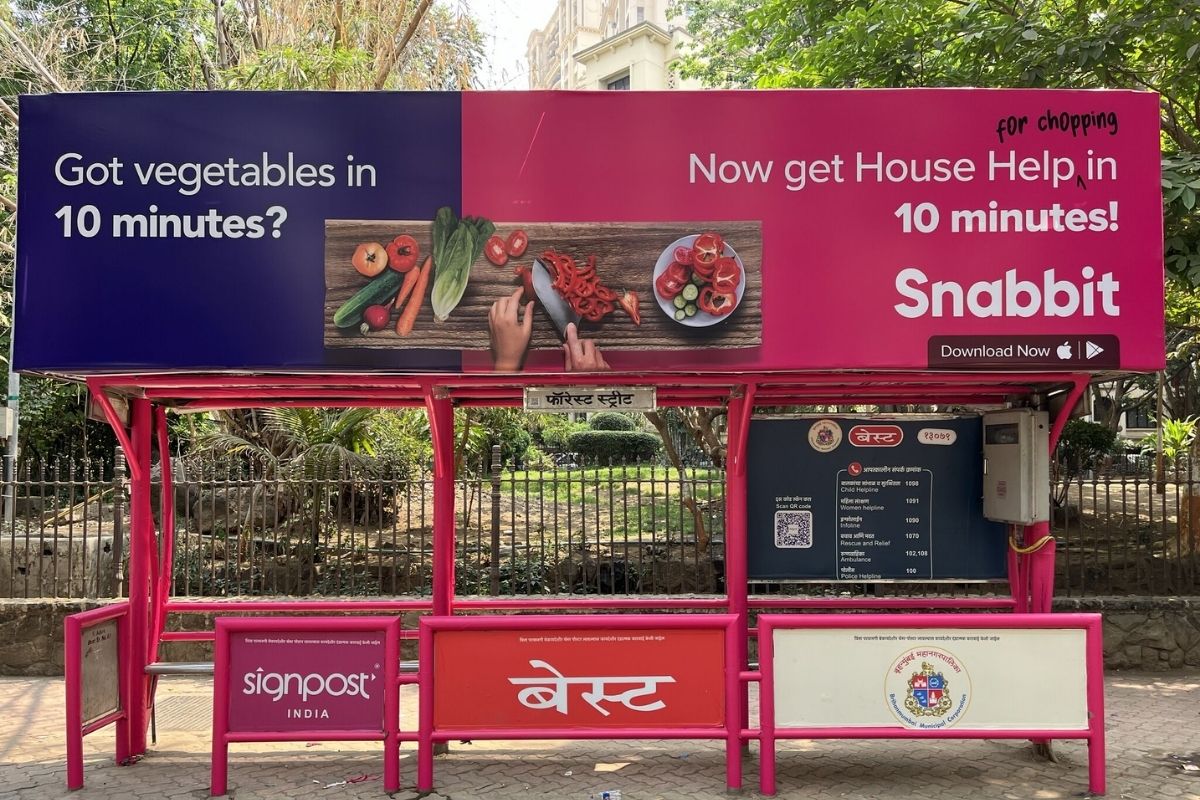
Pricing constraints and uncertain daily-use demand cast doubt on instant help’s ability to replicate quick commerce.
The e-bike rental startup has made the most of the country’s quick-commerce boom, fuelled by the pandemic lockdowns. Now it needs to step outside its comfort zone.
In less than two years, the instant delivery startup that puts quality above all else has attracted marquee VC investors, earning a valuation of $255 million. How far the niche bet will take it is anybody’s guess.
Pricing constraints and uncertain daily-use demand cast doubt on instant help’s ability to replicate quick commerce.