/
•
•
Detailed stories on technology startups, business and economic current affairs.
Insensitivity has been a hallmark of Indian policy towards Nepal, highlighted once again by India’s insistence that Nepal’s Gorkhas be recruited under the scheme.


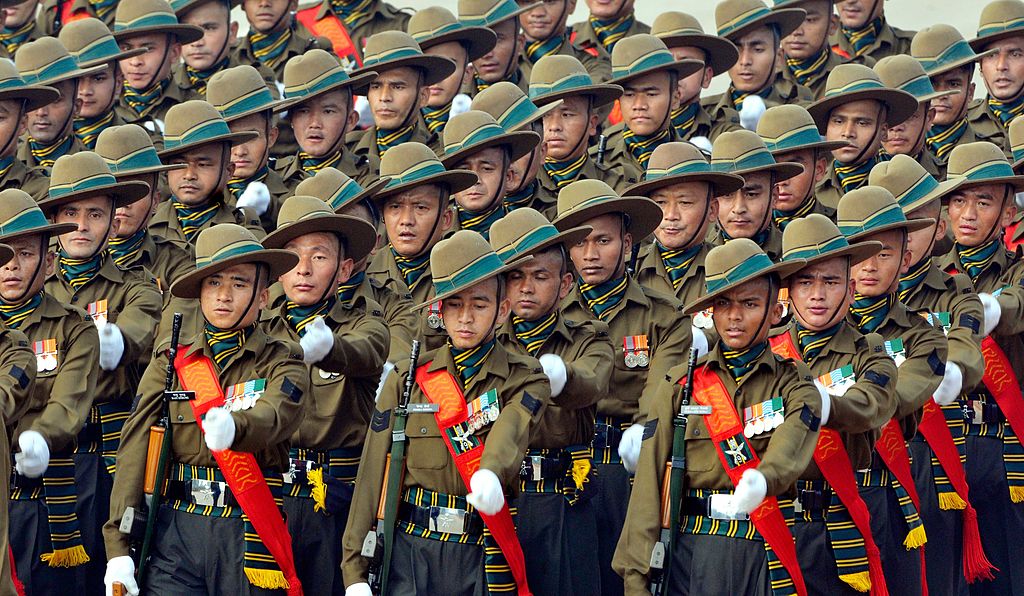
Editor's note: On one of his trips to New Delhi after the 2015 earthquake, the then Indian ambassador to Kathmandu, Ranjit Rae, met Prime Minister Narendra Modi at his official residence. The first question that Modi asked Rae was: “Why don’t they like us?” We have done so much for Nepal, and this is how they respond, he claimed. Modi was speaking as the prime minister, but his anguish was also a reflection of the frustration within the Rashtriya Swayamsevak Sangh, the organization in which he was ideologically baptized and trained as a pracharak before being sent to the Bharatiya Janata Party. Nepal was then close to finalizing a new constitution and was emphatic in choosing to be a secular republic. The RSS and its affiliates had been trying very hard to push the country into becoming a “Hindu Rashtra” again. Kathmandu alleged that pressure was being brought upon by the leaders of India’s newly elected BJP government in one-to-one meetings as well. (Sri Sri Ravi Shankar even openly canvassed for Nepal to be a Hindu Rashtra.) Contrary to popular belief in …
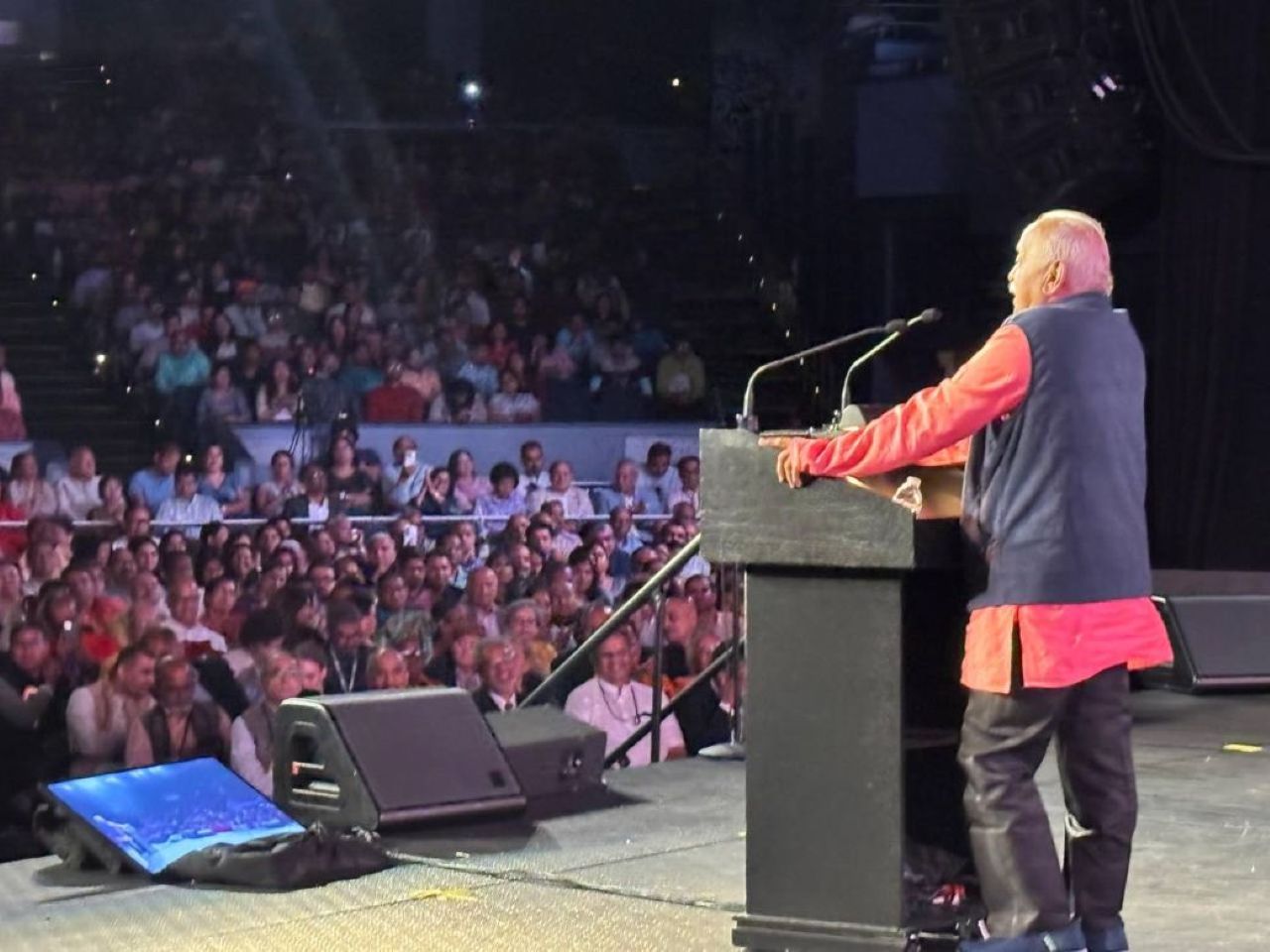
Insensitivity has been a hallmark of Indian policy towards Nepal, highlighted once again by India’s insistence that Nepal’s Gorkhas be recruited under the scheme.
Editor's note: On one of his trips to New Delhi after the 2015 earthquake, the then Indian ambassador to Kathmandu, Ranjit Rae, met Prime Minister Narendra Modi at his official residence. The first question that Modi asked Rae was: “Why don’t they like us?” We have done so much for Nepal, and this is how they respond, he claimed. Modi was speaking as the prime minister, but his anguish was also a reflection of the frustration within the Rashtriya Swayamsevak Sangh, the organization in which he was ideologically baptized and trained as a pracharak before being sent to the Bharatiya Janata Party. Nepal was then close to finalizing a new constitution and was emphatic in choosing to be a secular republic. The RSS and its affiliates had been trying very hard to push the country into becoming a “Hindu Rashtra” again. Kathmandu alleged that pressure was being brought upon by the leaders of India’s newly elected BJP government in one-to-one meetings as well. (Sri Sri Ravi Shankar even openly canvassed for Nepal to be a Hindu Rashtra.) Contrary to popular belief in …
Influence cannot be manufactured through diaspora networks, carefully branded events or political donations. It requires honesty and credibility.
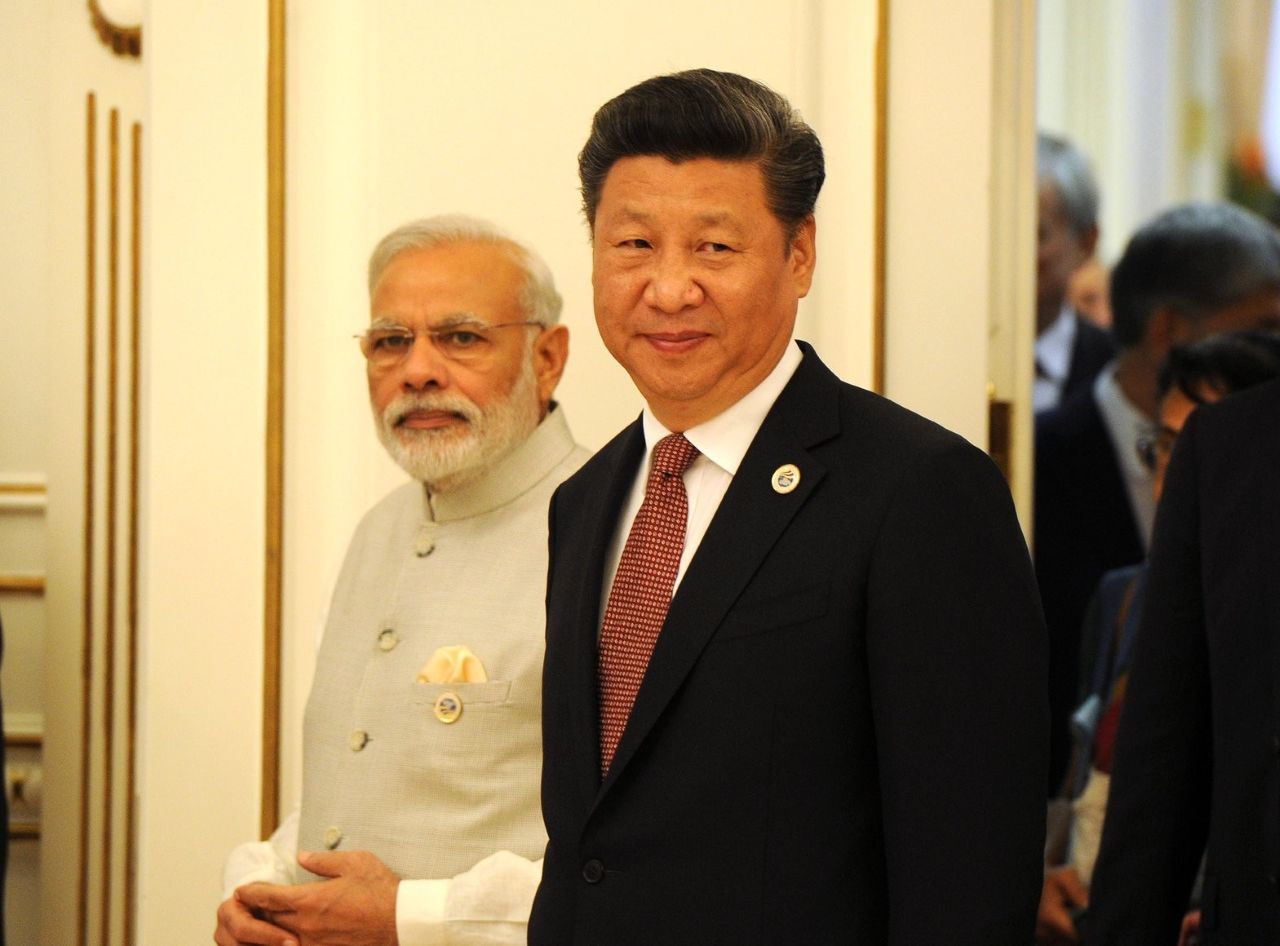
Chinese diplomats to India are saying all the right things for Indian ears, but Beijing’s policy actions are moving in the opposite direction.
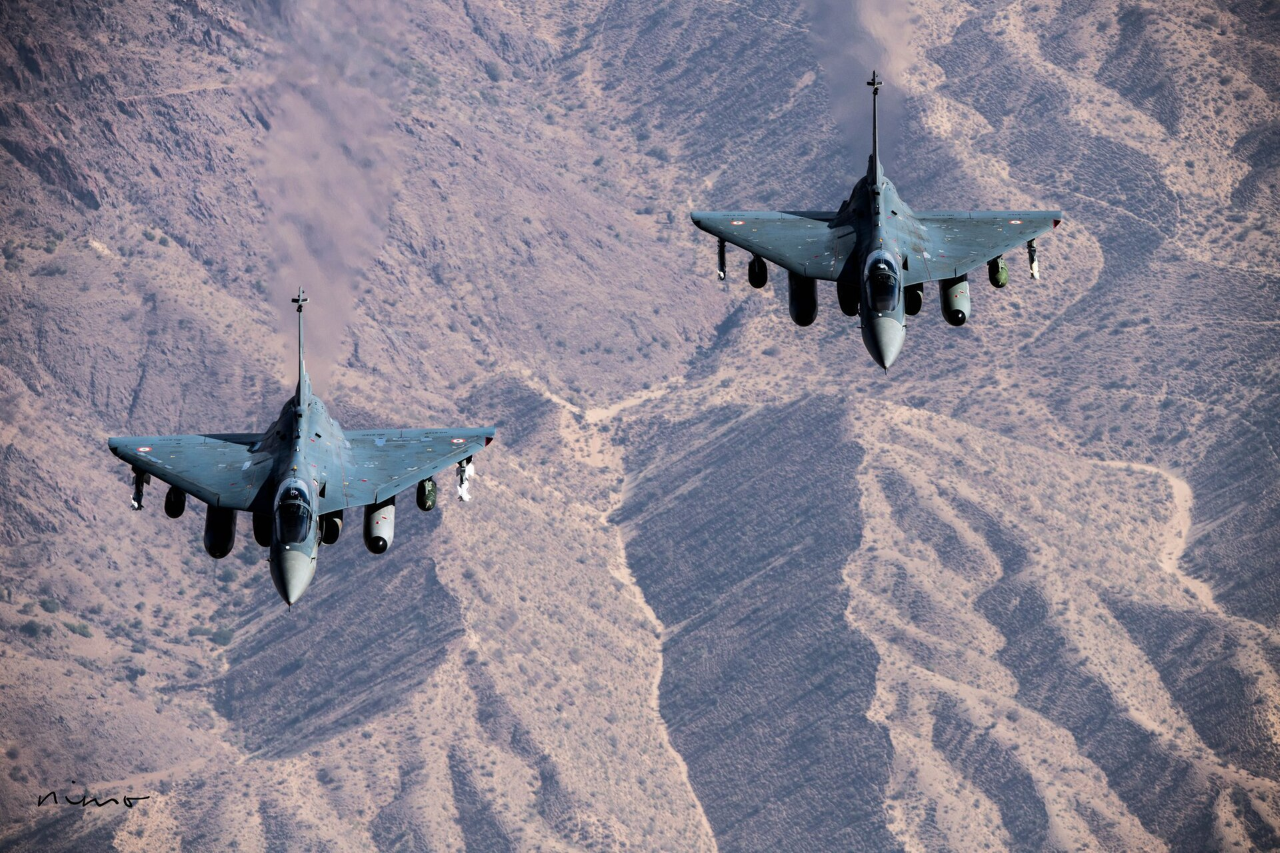
The country's fighter jet roadmap rests on imported propulsion, leaving its military plans hostage to cost shocks, delays and geopolitics.
Influence cannot be manufactured through diaspora networks, carefully branded events or political donations. It requires honesty and credibility.
Chinese diplomats to India are saying all the right things for Indian ears, but Beijing’s policy actions are moving in the opposite direction.
The country's fighter jet roadmap rests on imported propulsion, leaving its military plans hostage to cost shocks, delays and geopolitics.