/
•
•
Detailed stories on technology startups, business and economic current affairs.
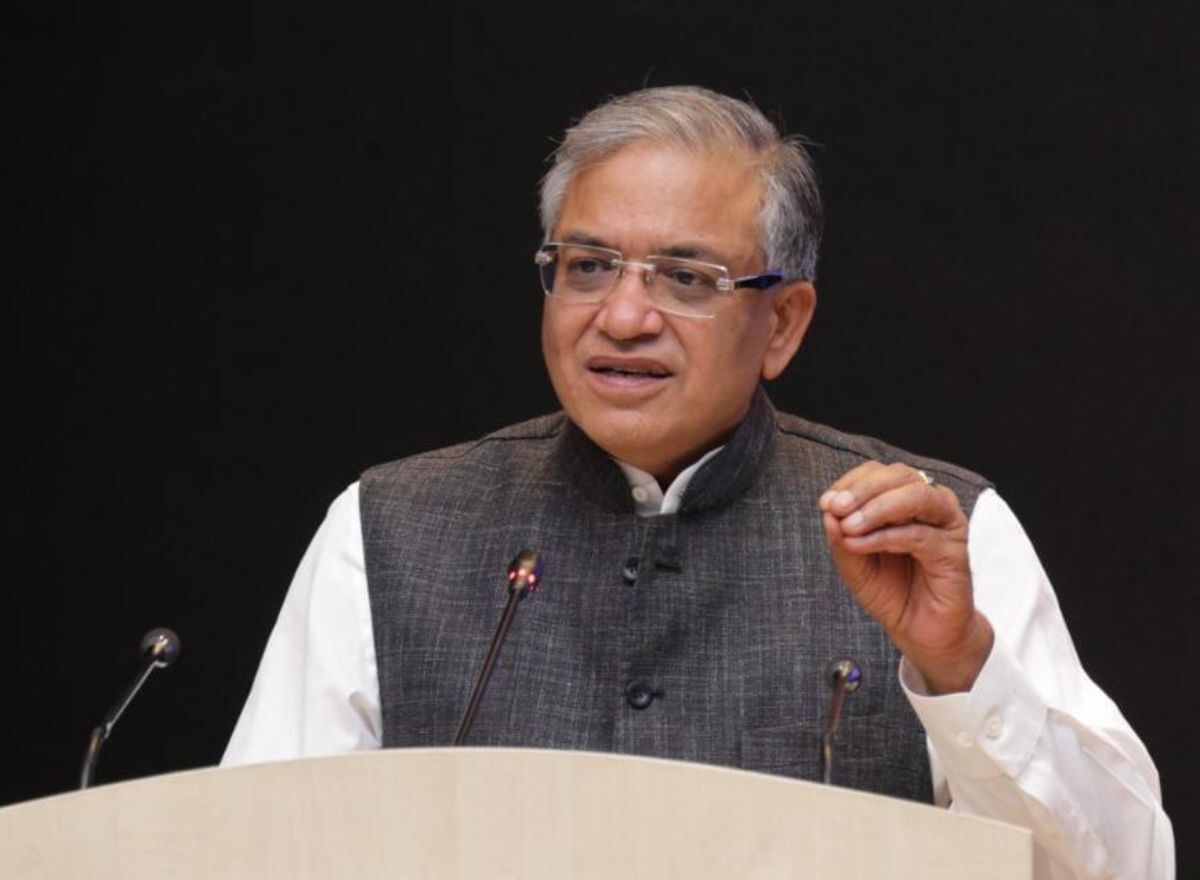
Study finds that four years on, the Graded Response Action Plan has done nothing to clean up the air in the National Capital Region.



It is that time of the year when large parts of North India, specifically the National Capital Region, or NCR, get enveloped by a thick blanket of smog and winter quickly loses its charm to become life-threatening instead, thanks to air pollution.
The most recent reminder of this fact came the morning after Diwali night when the Air Quality Index, or AQI, in Delhi hit the ceiling in the “severe” category at multiple monitoring stations across the city. This was an indication that the air quality in many parts of the national capital was hazardous for human health. But it …

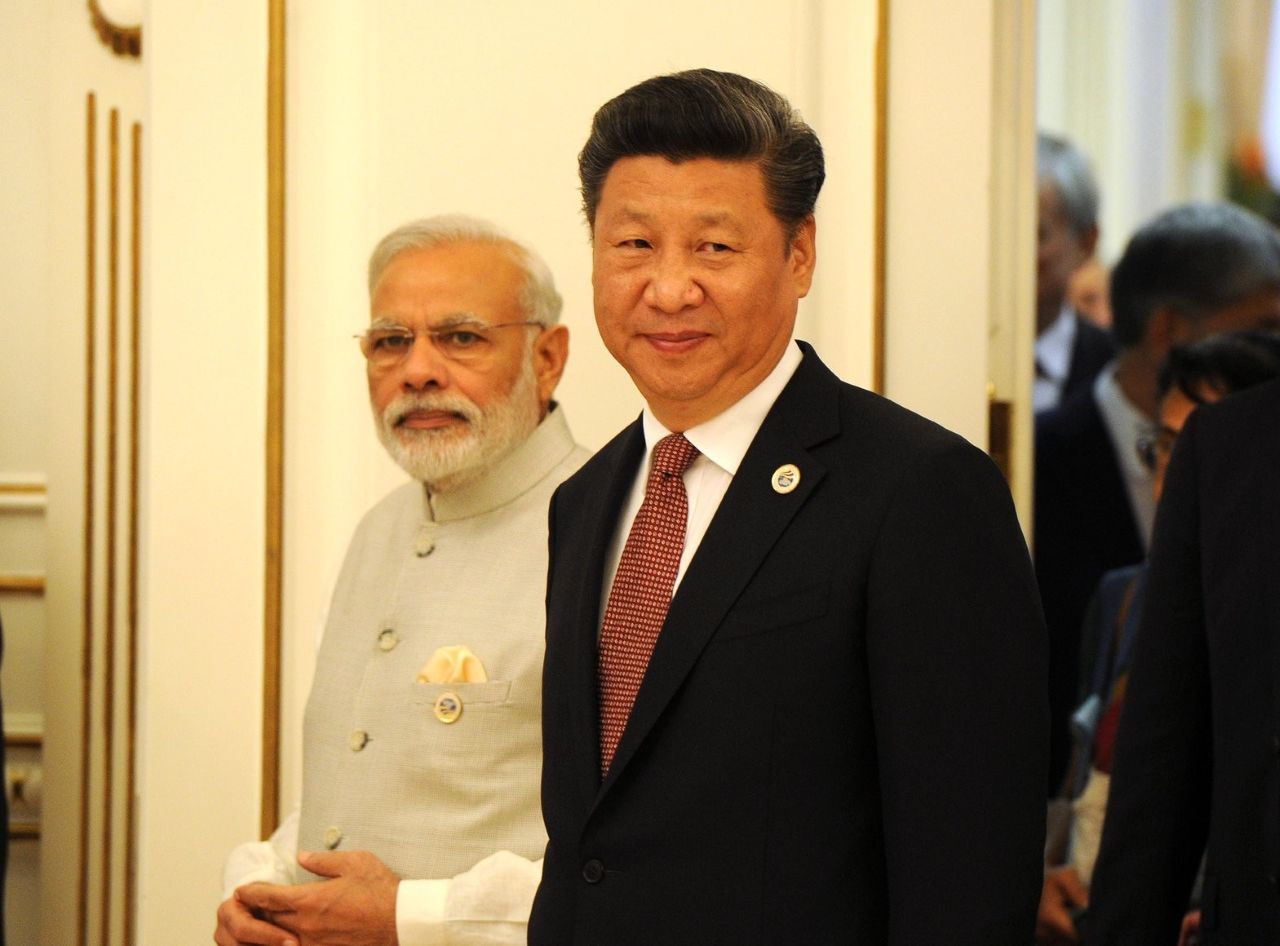
Chinese diplomats to India are saying all the right things for Indian ears, but Beijing’s policy actions are moving in the opposite direction.
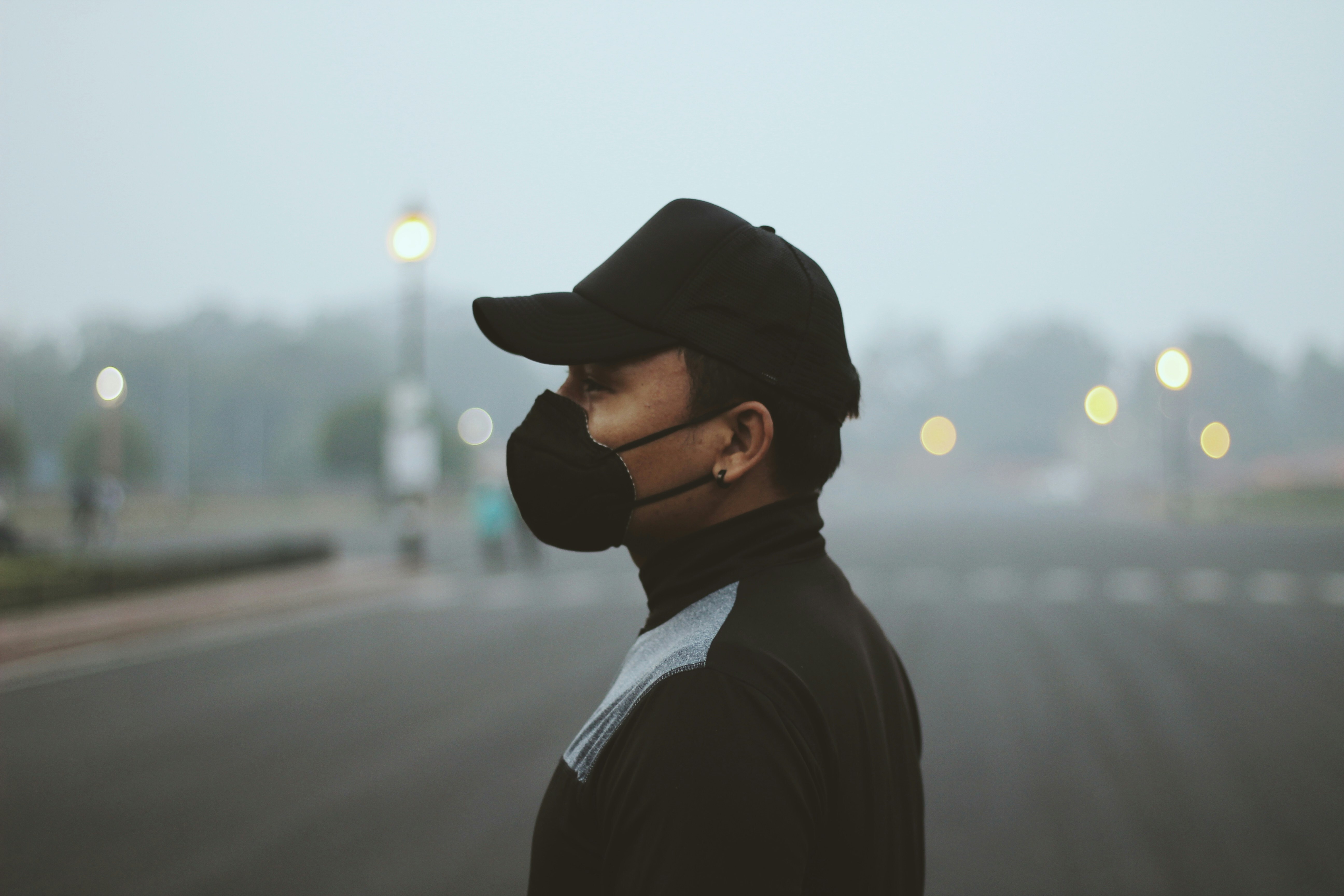
The Indian government is no longer denying pollution. Rather, it is perfecting a system that measures it extensively, displays it publicly and then teaches the nation to live with it.
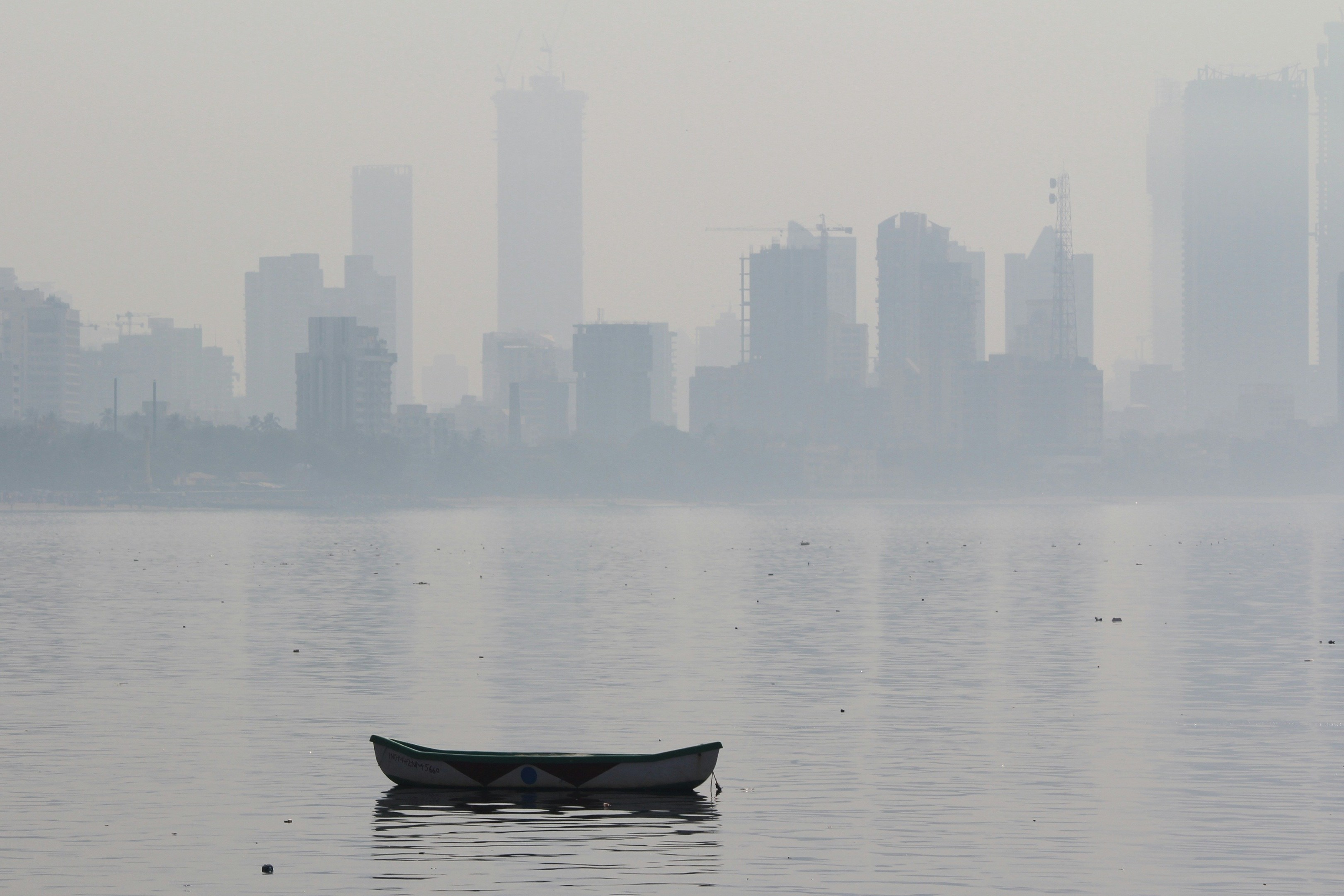
A city choking on its own growth, trapped in a system with little accountability. Separately, India’s plan to ramp up in its solar manufacturing standards needs to factor in all the stakeholders.