/
•
•
Detailed stories on technology startups, business and economic current affairs.
Recent developments are driving renewed optimism about the biogas industry. But the real challenge lies in addressing policy missteps and operational issues.



Editor's note: India’s pursuit for cleaner energy has a perplexing absentee: biogas.
Generating natural gas from organic waste should be an obvious choice for a country that spends over one-third of its import bill on buying fuel from overseas and has mounds of untreated waste lying in landfills. And yet, locally produced biogas is barely seen in India’s energy mix.
That’s not to say that there haven’t been efforts. In 2018, the government launched a scheme to incentivize setting up of compressed biogas plants by offering assured offtake by state-run oil firms. The target was to produce 15 million metric tonnes of CBG from 5,000 new plants by the end of this year. As of March, only 46 plants had been commissioned, and the actual production was even lower than expected.

Recent developments are driving renewed optimism about the biogas industry. But the real challenge lies in addressing policy missteps and operational issues.
Editor's note: India’s pursuit for cleaner energy has a perplexing absentee: biogas.
Generating natural gas from organic waste should be an obvious choice for a country that spends over one-third of its import bill on buying fuel from overseas and has mounds of untreated waste lying in landfills. And yet, locally produced biogas is barely seen in India’s energy mix.
That’s not to say that there haven’t been efforts. In 2018, the government launched a scheme to incentivize setting up of compressed biogas plants by offering assured offtake by state-run oil firms. The target was to produce 15 million metric tonnes of CBG from 5,000 new plants by the end of this year. As of March, only 46 plants had been commissioned, and the actual production was even lower than expected.
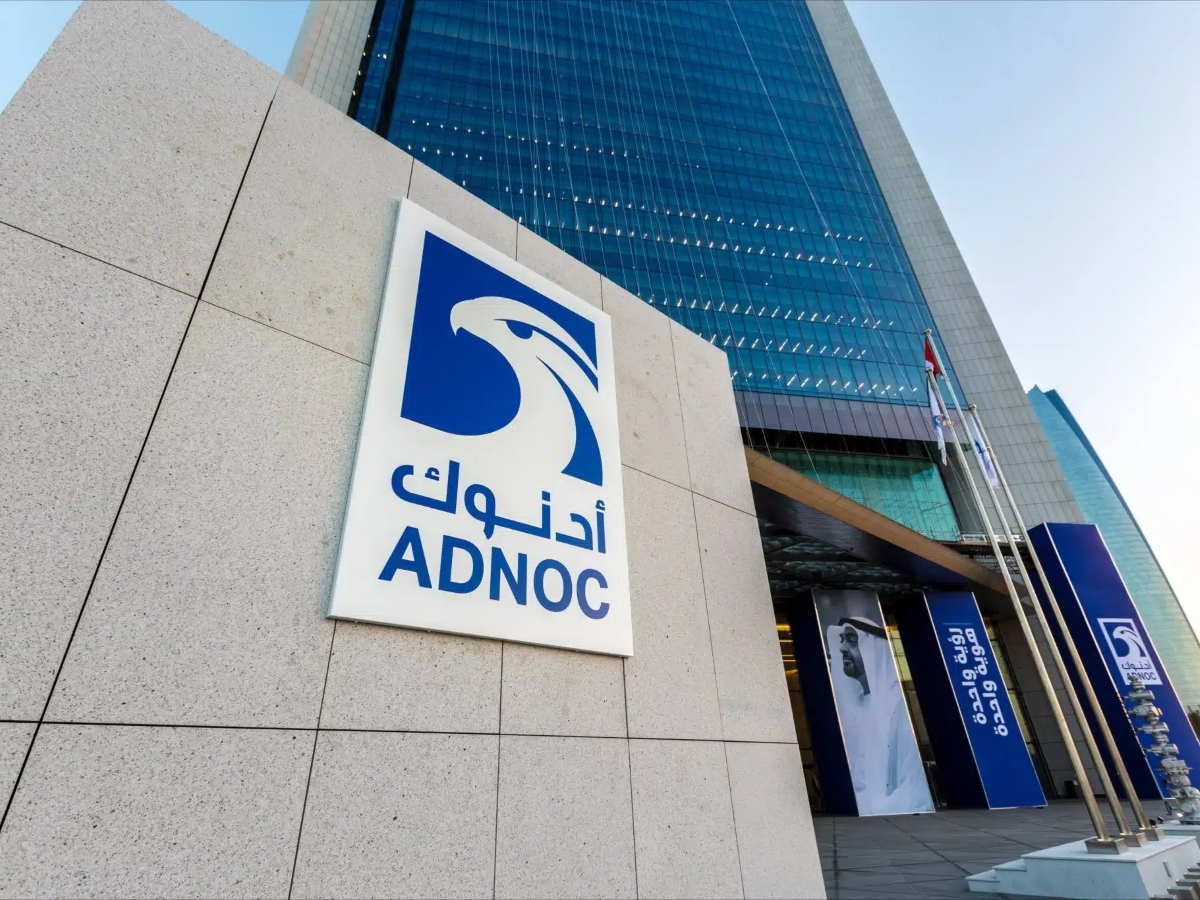
ADNOC’s strong numbers underline a strategy built on higher output, shipping gains and new routes that sidestep the risky Strait of Hormuz.
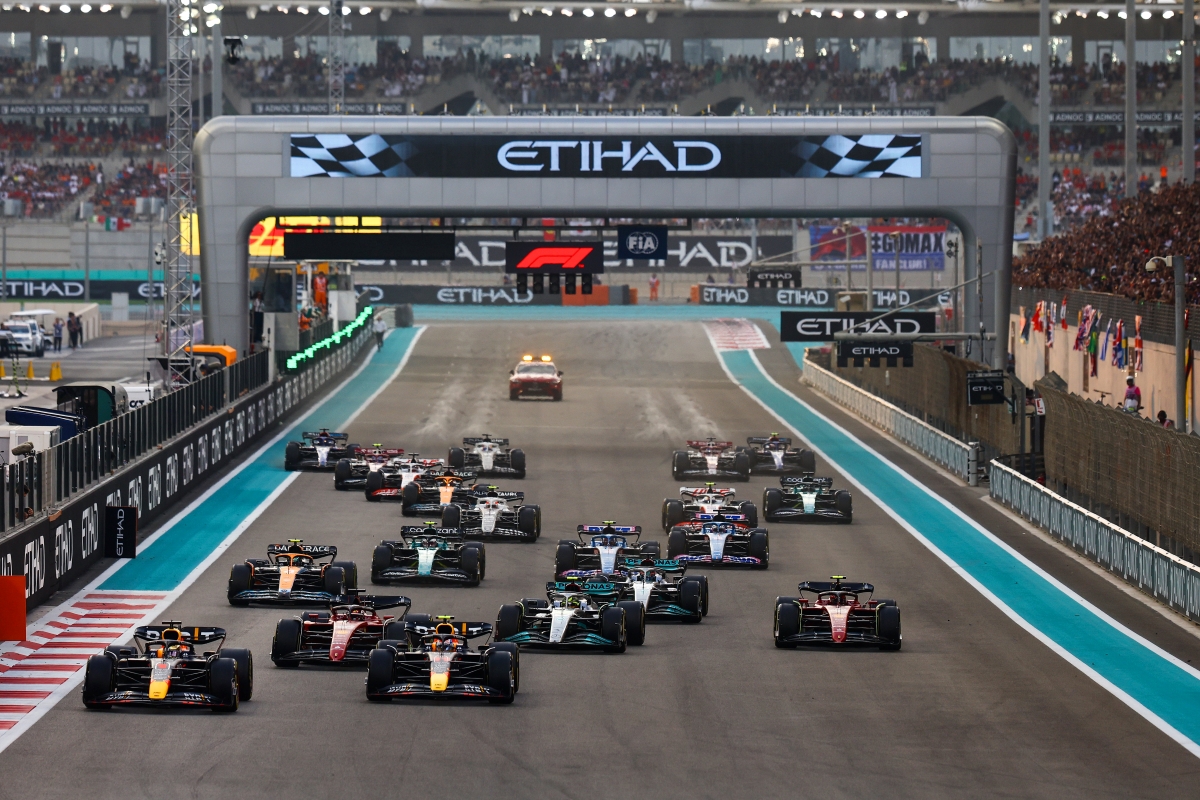
From cancelled races to scrambled calendars, the Iran conflict is testing an over two-decade partnership that powered the sport’s growth.

The solar module maker is banking on Sameer Nagpal to build 12 GW of cell capacity from scratch and catch up with Waaree and Premier—but the runway is tight and rivals are formidable.
ADNOC’s strong numbers underline a strategy built on higher output, shipping gains and new routes that sidestep the risky Strait of Hormuz.
From cancelled races to scrambled calendars, the Iran conflict is testing an over two-decade partnership that powered the sport’s growth.
The solar module maker is banking on Sameer Nagpal to build 12 GW of cell capacity from scratch and catch up with Waaree and Premier—but the runway is tight and rivals are formidable.