/
•
•
Detailed stories on technology startups, business and economic current affairs.
Prime accused in the Dharam Sansad hate speech case, the former UP Shia Central Waqf Board chief has a history of exploiting religious fault lines to his advantage.



Editor's note: Syed Waseem Rizvi had been a Muslim for the last 46 years. He wasn’t religious but his entire identity was built around Islam. It helped him get elected as a corporator from his Muslim neighbourhood in Lucknow in 2000. It helped him become the Uttar Pradesh Shia Central Waqf Board chief in 2009. Even when he started his tirades against his community members in the last few years, he could pitch himself as a newly woke Muslim trying change the system from within. But something changed last December. Yati Narsinghanand, a priest from Ghaziabad notorious for his anti-Muslim sermons, organized a Dharam Sansad in Haridwar. Invitees included several members of the Hindutva fringe coming together to purportedly save Hindus from Islamic extremism. Among them was Waseem Rizvi. Rizvi knew the decision would have consequences. In a flash, he hit upon a solution. “I called Yati and told him to make arrangements.” Then he put his phone on “silent” mode. Two days later, on 6 December, Rizvi renounced Islam and converted to Hinduism. Yati Narsinghanand’s family had agreed to “adopt” him …
Prime accused in the Dharam Sansad hate speech case, the former UP Shia Central Waqf Board chief has a history of exploiting religious fault lines to his advantage.
Editor's note: Syed Waseem Rizvi had been a Muslim for the last 46 years. He wasn’t religious but his entire identity was built around Islam. It helped him get elected as a corporator from his Muslim neighbourhood in Lucknow in 2000. It helped him become the Uttar Pradesh Shia Central Waqf Board chief in 2009. Even when he started his tirades against his community members in the last few years, he could pitch himself as a newly woke Muslim trying change the system from within. But something changed last December. Yati Narsinghanand, a priest from Ghaziabad notorious for his anti-Muslim sermons, organized a Dharam Sansad in Haridwar. Invitees included several members of the Hindutva fringe coming together to purportedly save Hindus from Islamic extremism. Among them was Waseem Rizvi. Rizvi knew the decision would have consequences. In a flash, he hit upon a solution. “I called Yati and told him to make arrangements.” Then he put his phone on “silent” mode. Two days later, on 6 December, Rizvi renounced Islam and converted to Hinduism. Yati Narsinghanand’s family had agreed to “adopt” him …


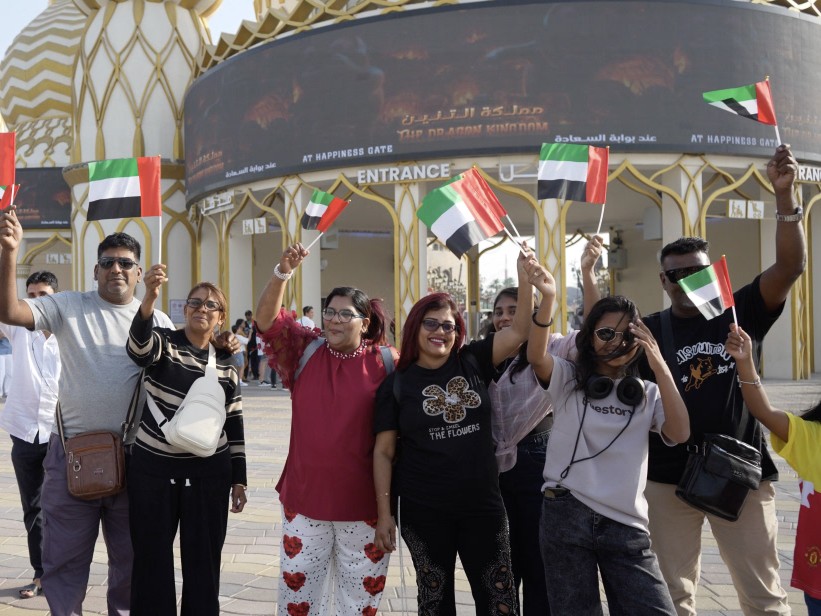
The Indian diaspora in the West has become an important force in shaping India's politics.

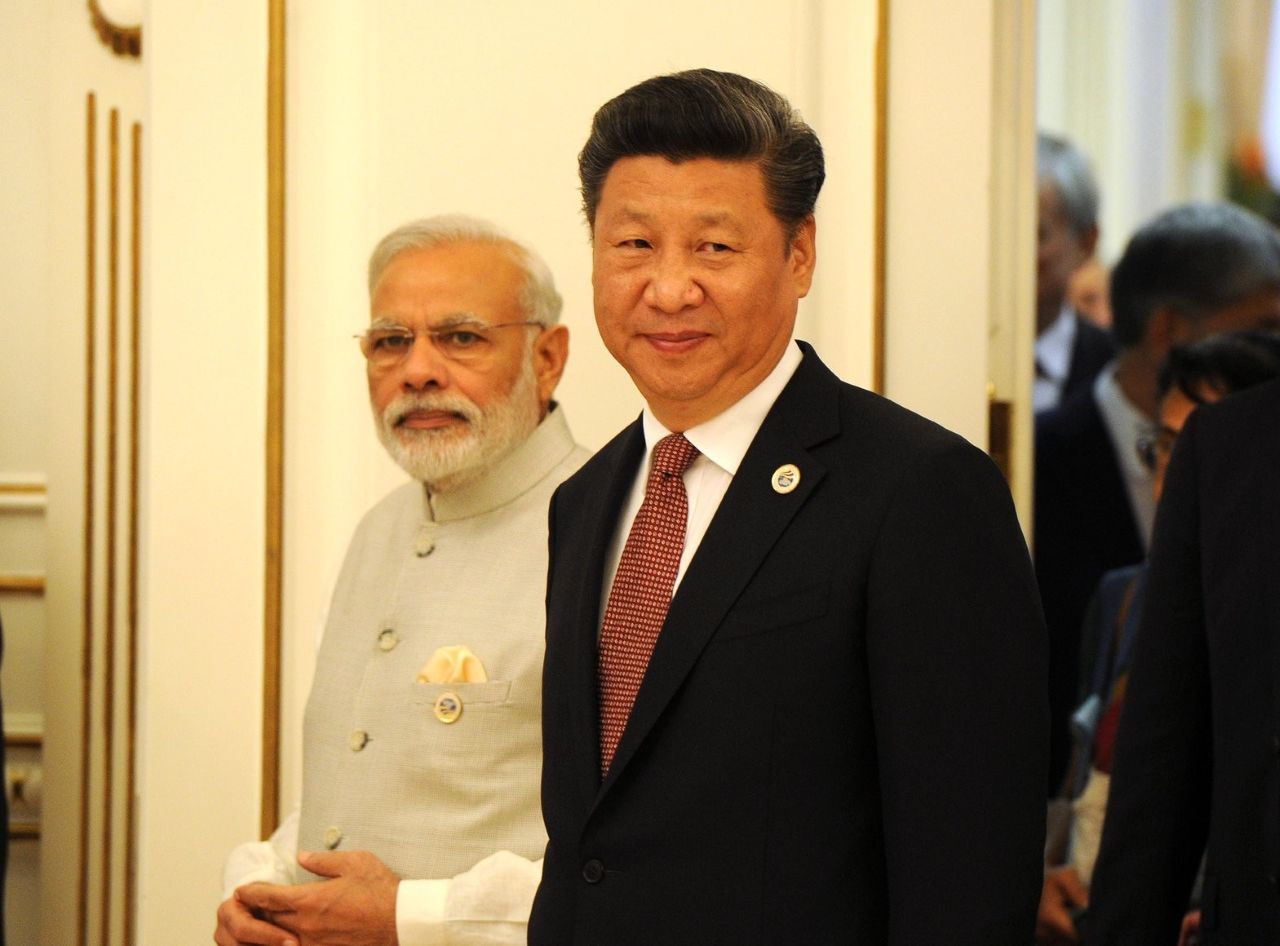
Not only do Chinese companies have better alternatives like Vietnam, but they are also worried about the Indian government’s erratic attitude towards them.

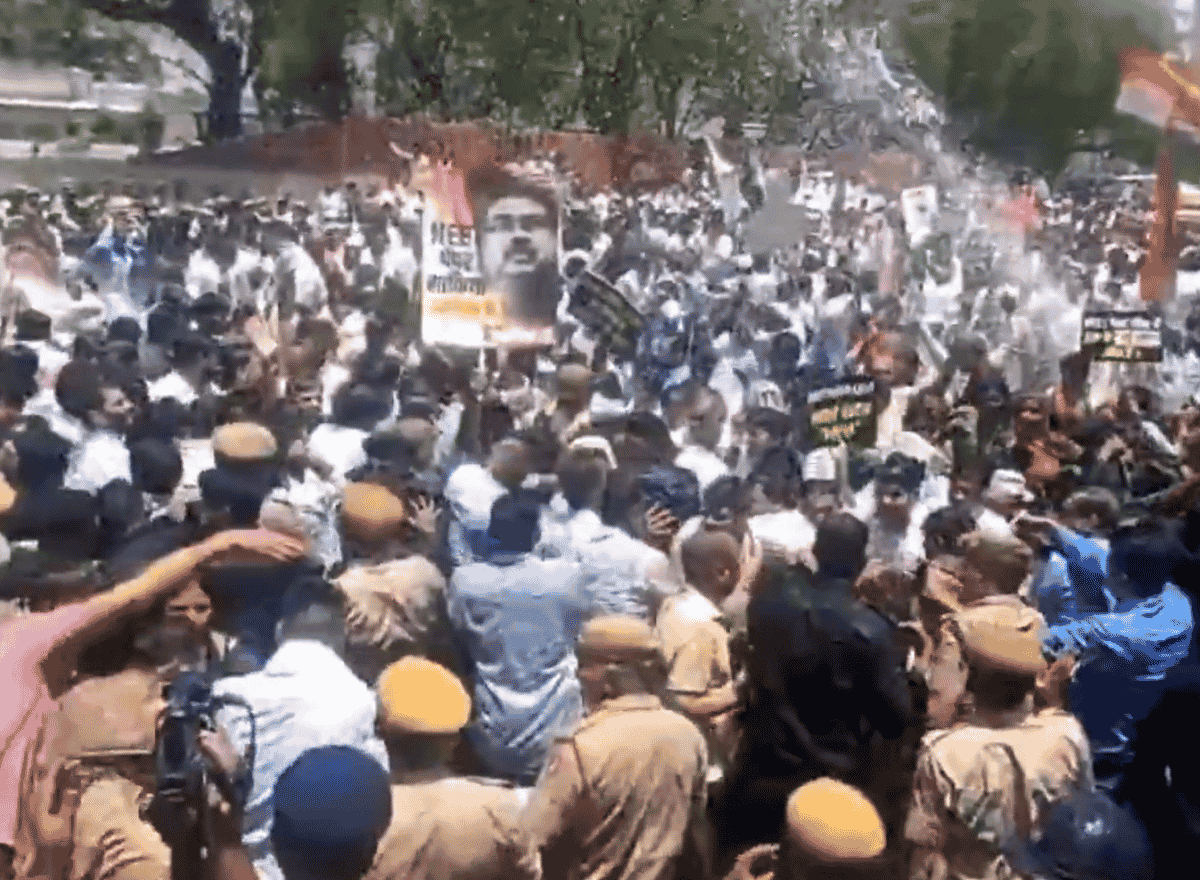
Livid at being discriminated against and treated with disdain by the Modi government, people residing in many of the country’s border regions came out strongly against the BJP in the recent Lok Sabha elections.
The Indian diaspora in the West has become an important force in shaping India's politics.
Not only do Chinese companies have better alternatives like Vietnam, but they are also worried about the Indian government’s erratic attitude towards them.
Livid at being discriminated against and treated with disdain by the Modi government, people residing in many of the country’s border regions came out strongly against the BJP in the recent Lok Sabha elections.