/
•
•
Detailed stories on technology startups, business and economic current affairs.
The discussion we must move towards is on how best the government can provide the required social goods to everyone, aiming ultimately at every individual’s overall development.



Editor's note: In February 2020, Prime Minister Narendra Modi alleged that India’s political parties were resorting to distributing free revdi to people for votes. “Those with revdi culture will never build new expressways, new airports or defence corridors for you. Together we have to defeat this thinking, remove revdi culture from the politics of the country,” he said. Revdi means sweets, but in the discussion that has followed the Prime Minister’s comments, the term has come to refer to freebies. Since then, much has been written on India’s “freebie culture.” The discourse has been dominated by the argument that state governments resort to the mindless distribution of freebies to the detriment of broader economic development. The Supreme Court entered the debate and tried to distinguish freebies from social welfare provisions. The Election Commission of India, too, weighed in and is now thinking of dissuading parties from including freebies in their election manifestos. The problem, however, is that few can define a freebie. In the English language, the word freebie appears to have come from “for nothing, without charge.” The first time I …
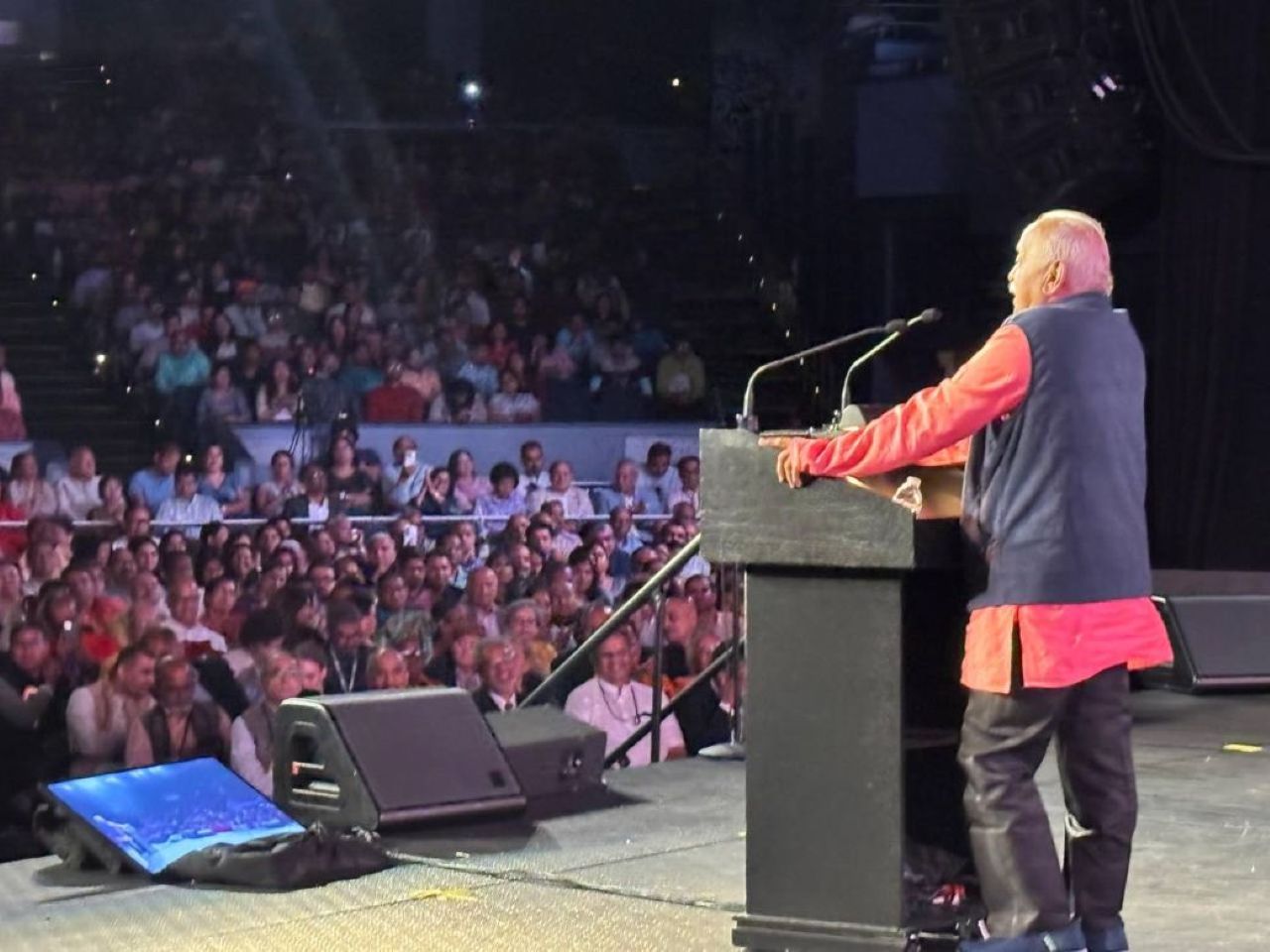
The discussion we must move towards is on how best the government can provide the required social goods to everyone, aiming ultimately at every individual’s overall development.
Editor's note: In February 2020, Prime Minister Narendra Modi alleged that India’s political parties were resorting to distributing free revdi to people for votes. “Those with revdi culture will never build new expressways, new airports or defence corridors for you. Together we have to defeat this thinking, remove revdi culture from the politics of the country,” he said. Revdi means sweets, but in the discussion that has followed the Prime Minister’s comments, the term has come to refer to freebies. Since then, much has been written on India’s “freebie culture.” The discourse has been dominated by the argument that state governments resort to the mindless distribution of freebies to the detriment of broader economic development. The Supreme Court entered the debate and tried to distinguish freebies from social welfare provisions. The Election Commission of India, too, weighed in and is now thinking of dissuading parties from including freebies in their election manifestos. The problem, however, is that few can define a freebie. In the English language, the word freebie appears to have come from “for nothing, without charge.” The first time I …
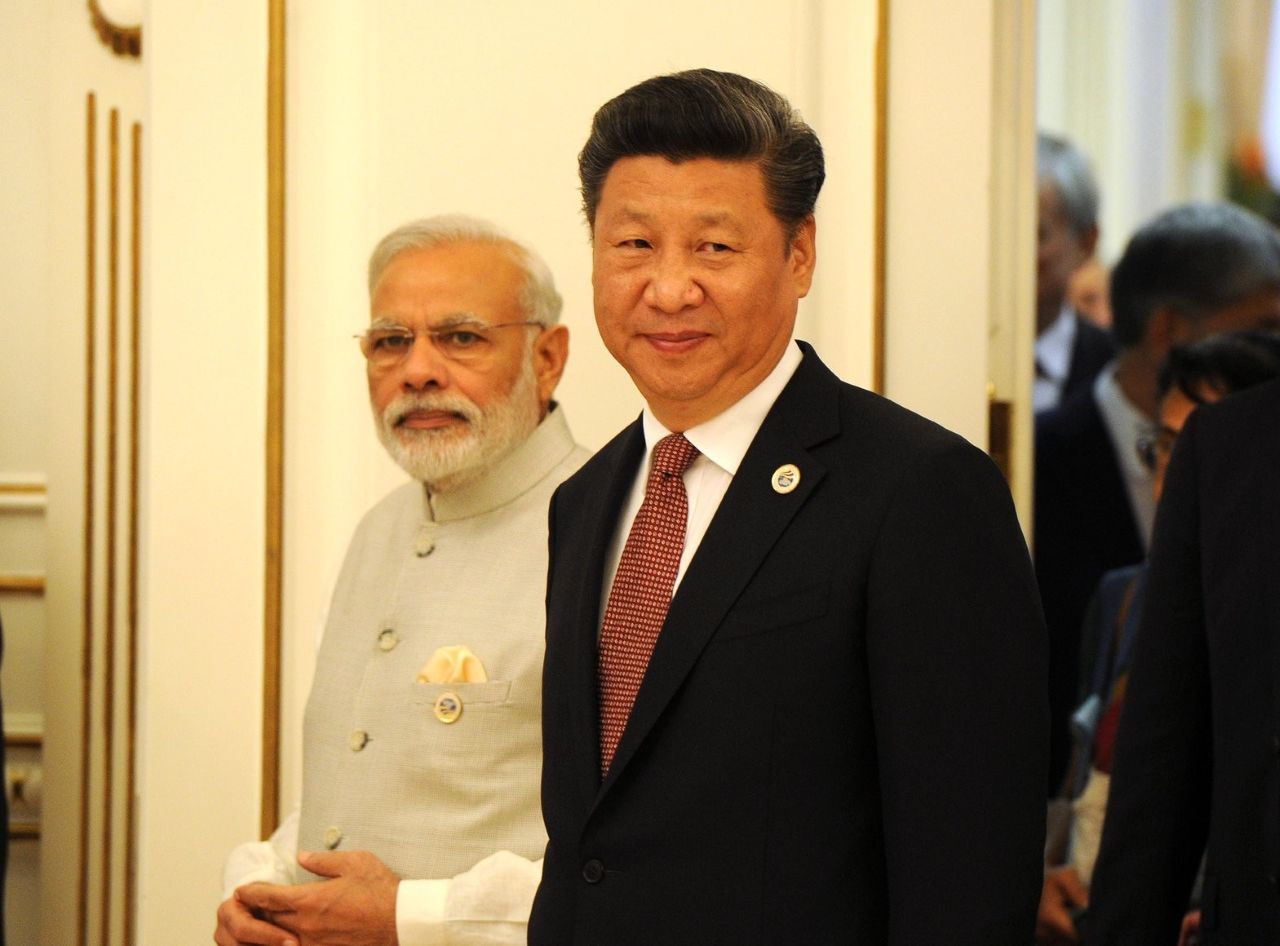
Chinese diplomats to India are saying all the right things for Indian ears, but Beijing’s policy actions are moving in the opposite direction.

The country's fighter jet roadmap rests on imported propulsion, leaving its military plans hostage to cost shocks, delays and geopolitics.
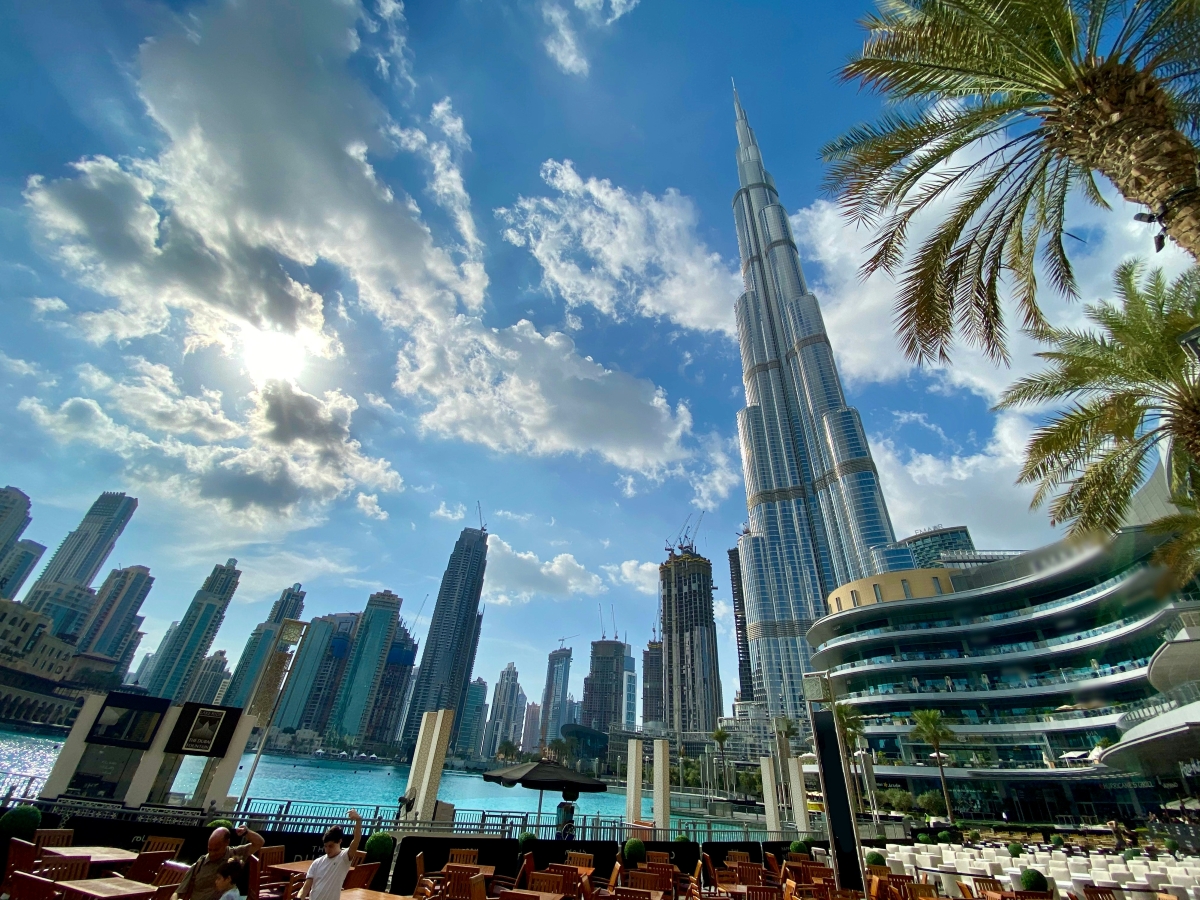
With no minimum investment threshold, the emirate is widening access to residency even as geopolitical risks cloud its appeal.
Chinese diplomats to India are saying all the right things for Indian ears, but Beijing’s policy actions are moving in the opposite direction.
The country's fighter jet roadmap rests on imported propulsion, leaving its military plans hostage to cost shocks, delays and geopolitics.
With no minimum investment threshold, the emirate is widening access to residency even as geopolitical risks cloud its appeal.